Zero Waste Lifestyle Tips for the Bathroom
Lower-packaging bathroom options that keep oral, skin, and personal-care needs in view.
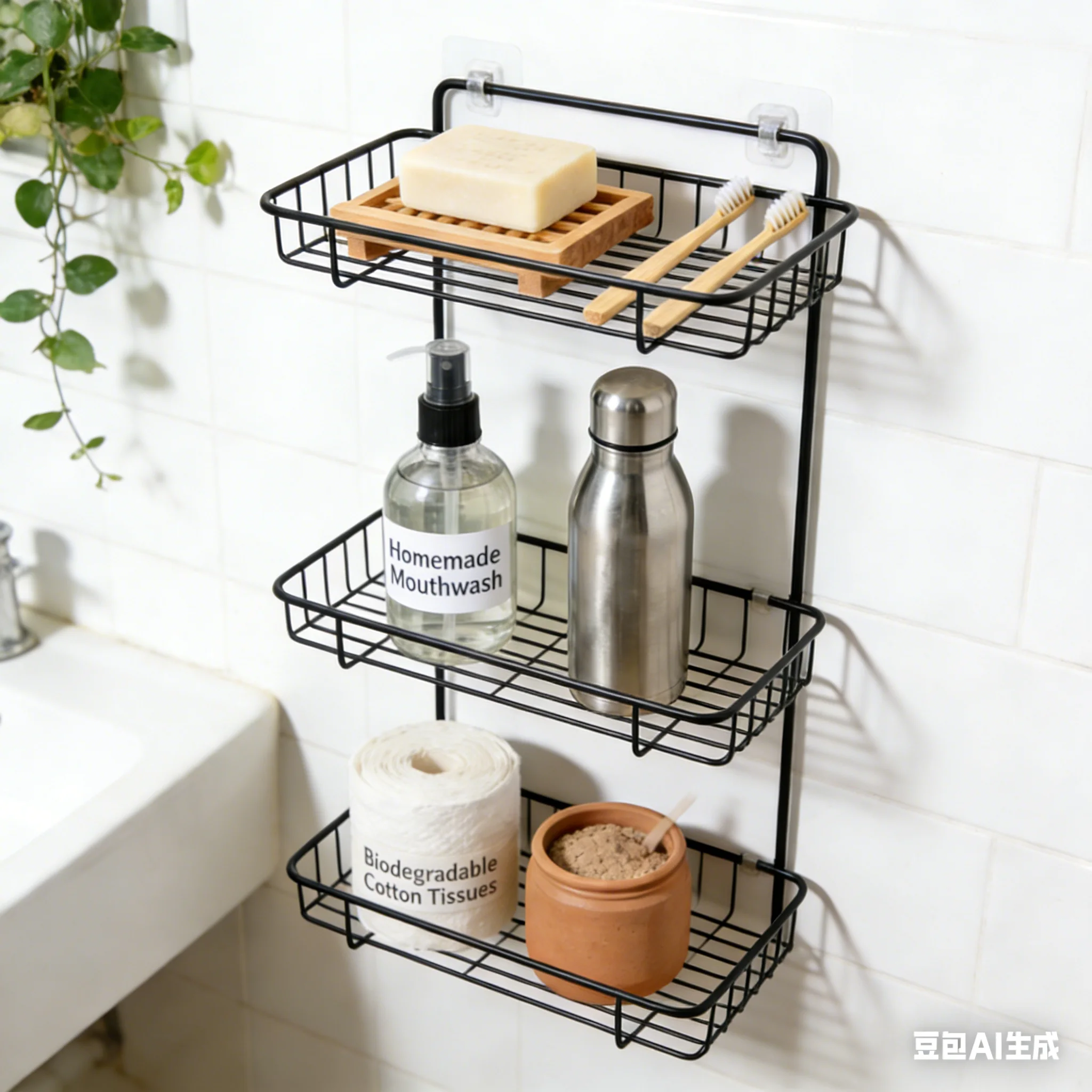
Zero Waste Bathroom: Creating a Plastic-Free Sanctuary for Personal Care
Bathrooms can accumulate packaging from personal care and cleaning products. You can reduce some of it by finishing what you own, choosing refills where available, and replacing items only when needed. This guide focuses on practical options rather than a perfect or entirely plastic-free bathroom.
The Problem: A Snapshot of Bathroom Waste
Bathroom disposal options depend on product materials and local collection rules. Common items to review include:
- Shampoo & Conditioner Bottles: Used for a few months, then discarded, often made from mixed plastics that are difficult to recycle.
- Toothbrushes & Toothpaste Tubes: Toothbrushes and toothpaste packaging combine materials that many curbside programs do not accept. Check your local program and any manufacturer take-back instructions.
- Disposable Razors: A classic example of planned obsolescence, with plastic handles and non-replaceable blades.
- Cotton Rounds & Swabs: Single-use rounds and swabs create recurring waste; their materials and disposal routes vary.
- Packaging: The outer cardboard, plastic windows, and non-recyclable components of product boxes.
A practical goal is to avoid unnecessary replacements, use suitable products fully, and compare refill or reusable options when they fit your health needs and local disposal services.
The Zero Waste Bathroom Philosophy: Refuse, Reduce, and Simplify
Before you buy anything new, adopt a minimalist mindset. Audit your current products and ask:
- Do I need this? Can I use one product for multiple purposes (e.g., a pure castile soap for body, hands, and even cleaning)?
- Can I use what I have first? Commit to finishing your current products before replacing them. The most sustainable product is the one you already own.
- What is the end-of-life for this item? Prioritize materials that can be composted, refilled, or reliably recycled.
Category-by-Category Sustainable Swaps
1. Oral Care: Beyond the Plastic Brush
- Toothbrush: Use a brush that works for you and replace it on the schedule recommended by your dentist. Bamboo handles do not make the whole brush compostable; remove and dispose of bristles only if the maker gives clear instructions, and check local compost rules.
- Toothpaste: Choose a toothpaste with fluoride unless your dentist recommends otherwise. Tablets and powders vary in ingredients, fluoride content, and availability; verify the product label rather than assuming they provide the same protection. The American Dental Association's home oral-care guidance recommends brushing twice daily with fluoride toothpaste.
- Floss: Use a flossing product that works for your needs and follow your dentist's advice. If comparing lower-packaging options, check the product instructions and the disposal route rather than assuming a material is compostable.
- Mouthwash: If you use it, choose a product suited to your needs and follow its label or your dentist's advice. A homemade mixture is not a substitute for dental guidance.
2. Hair Care: Compare What Works for You
- Shampoo & Conditioner Bars: Bars can reduce packaging for some routines, but performance and lifespan vary by product and use. Choose one suited to your hair and store it so it can dry between uses.
- Hair Oil and Styling: Keep using products that suit your hair and follow their labels. A lower-packaging option is useful only if it works for your routine.
- Combs and Brushes: Keep a suitable brush or comb in use; material alone does not determine its durability, care needs, or end-of-life route.
3. Skincare & Body Care: Back to Basics
- Soap: If bar soap suits your skin and routine, compare its packaging and storage needs with your current product. Follow the label and avoid products that cause irritation.
- Face Care: Choose products appropriate for your skin and follow their directions. Do not treat a homemade oil mixture as a universal replacement for a product recommended by a qualified clinician.
- Deodorant: Options include:
- Lower-packaging products when their ingredients suit your skin and their packaging has a usable local disposal route.
- Refillable or reusable formats if they work for you and can be kept clean according to the product instructions.
- A refillable or lower-packaging product whose ingredients work for your skin. Baking soda and fragrance can irritate some people.
- Cotton Rounds & Pads: Switch to reusable rounds made from organic cotton, bamboo, or flannel. Keep a small wet bag for used ones and wash them with your laundry.
4. Shaving: A Return to the Classic Safety Razor
A stainless steel safety razor can reduce disposable handle packaging if you are comfortable using it. The handle is reusable, but blades still need safe disposal; check local metal recycling rules and protect anyone handling the waste.
5. Feminine & Intimate Care
- Menstrual Products: Reusable options may suit some people, while disposable products may be more appropriate for others. Follow manufacturer cleaning, replacement, and medical-device instructions.
- Menstrual Cups (materials and replacement guidance vary by product): Follow the product instructions and replace it when recommended.
- Reusable Cloth Pads: Comfortable and washable.
- Period Underwear: Absorbent, leak-proof underwear for various flows.
- Toilet Paper: If you prefer, compare products with recycled content or reduced packaging. A bidet may reduce paper use for some households, but the amount depends on use and setup.
6. Bathroom Cleaning
Use a washable cloth where it suits the job and a cleaner labeled for the surface. The EPA says homemade cleaners typically do not perform as well as formulated commercial products, and it cannot verify vinegar as a disinfectant. If disinfection is needed, use an appropriately labeled product and follow its directions. Never mix cleaners.
Building Your System: Storage & Mindset
- Use containers only when suitable: Follow product storage and hygiene instructions; a reused container is not appropriate for every formulation.
- Check refill options: Availability, ingredients, costs, and container rules differ by seller.
- Check disposal locally: Use the local waste service's current guidance. Retailer or take-back programs may change, so confirm what they accept before bringing items.
- Change One Thing at a Time: Stop using a product if it causes irritation, and seek professional advice for persistent symptoms.
The Ripple Effects of a Zero Waste Bathroom
The practical benefits vary by household. Refill or reuse options may reduce packaging, but compare prices and care needs before switching. Keep products that work for your health and routine; a lower-waste choice should not come at the expense of appropriate personal care.
Start with one change that fits your routine, such as finishing a product before buying a refill or choosing an option with less packaging when you next need a replacement. Keep oral, skin, and menstrual care needs at the center of the decision; lower packaging is only useful when the product is appropriate and its disposal instructions are clear.
Continue Your Zero Waste Journey
Ready to learn more? Explore our other guides and tips for sustainable living.