A Practical Zero Waste Guide for Beginners
An evergreen beginner guide to reducing waste with realistic habits, local recycling rules, and compost options.
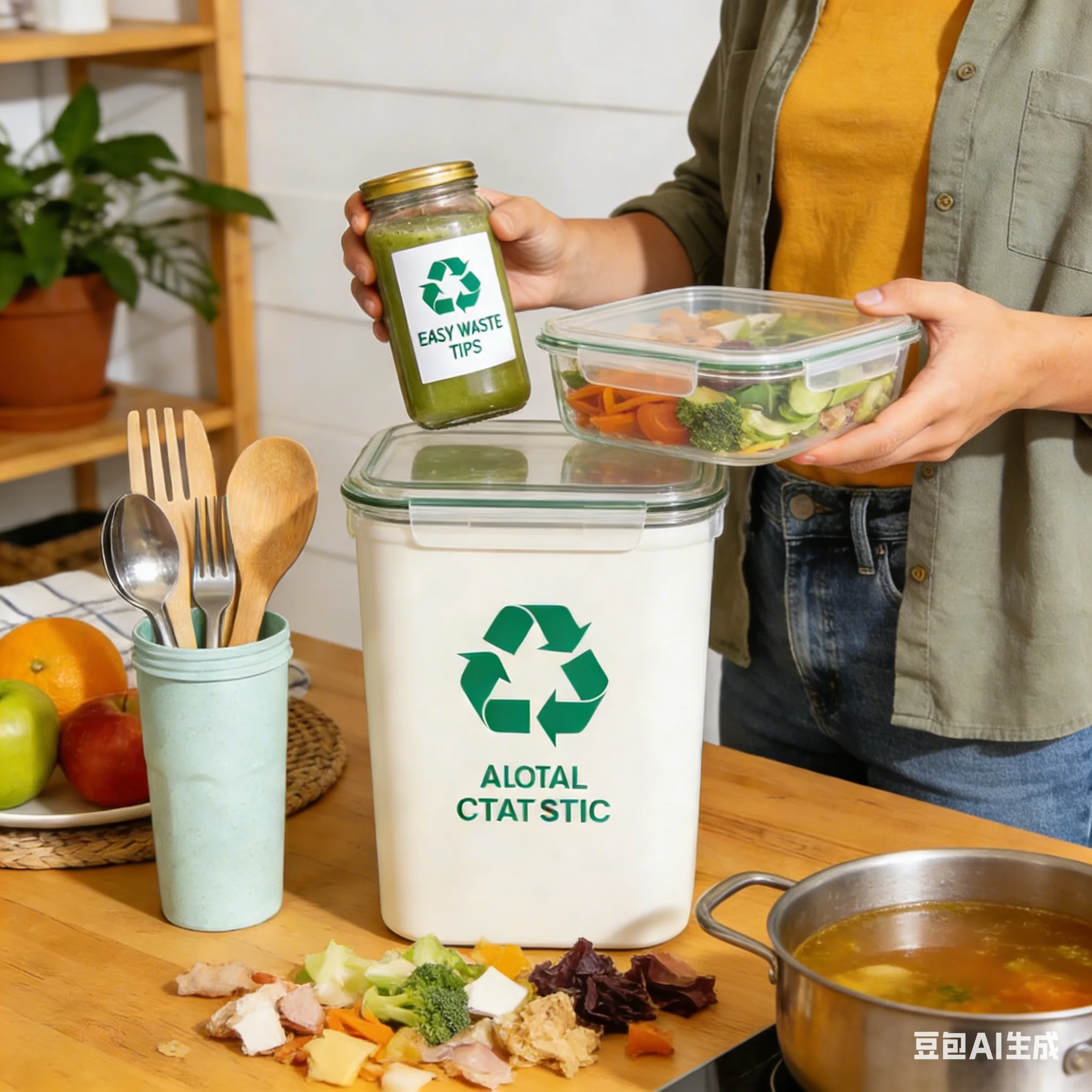
A Practical Zero Waste Guide for Beginners
Zero waste is a direction, not a test you have to pass. The useful question is not whether every item in your bin is avoidable; it is which purchases and routines you can change without creating extra cost, work, or risk. Start with what you already own, and make one change at a time.
Start with a short waste audit
For a week, notice what you repeatedly throw away. You do not need to weigh it or record a precise score. Group the main items into a few patterns: food that spoils, packaging from regular purchases, disposable drinkware, or things that are difficult to reuse. Pick the pattern that is easiest for your household to address.
Preventing surplus food is often more useful than choosing a new bin or gadget. Check the fridge and pantry before shopping, plan a few meals around food that needs using, and buy a quantity you can realistically finish. The EPA's food waste prevention guidance recommends practical steps such as planning, storing food appropriately, and using what you have.
Make low-friction swaps
- Keep a bag you already own near your keys or work bag. Add a reusable cup or container only if you regularly need one and can clean and carry it.
- Use leftovers in a planned meal, freeze portions you will not eat soon, and label containers so they are easy to find.
- Before replacing a disposable item, use up what is already in the cupboard. A durable item only helps if it fits your routine and gets reused.
- Borrow, repair, or buy secondhand when that is practical. Avoid buying a full set of new “zero waste” products to get started.
Compost and recycle according to local rules
Composting access and accepted materials vary. A home pile, worm bin, community drop-off, and municipal collection do not necessarily accept the same scraps. Check your local program before collecting food waste, and follow its instructions for meat, dairy, liners, and compostable packaging. A countertop food-scrap dehydrator does not make finished compost; the dried output needs further treatment. See the EPA's overview of composting methods.
Recycling is also local. The same material may be accepted in one program and rejected in another, so use your city or hauler's current list rather than a generic symbol on the package. The EPA explains standardized terms for materials accepted by municipal recycling programs, while your local program determines what belongs in your bin.
A simple first month
In week one, notice your most common avoidable waste. In week two, change one shopping or food-storage habit. In week three, set up the reuse or compost option that is actually available where you live. In week four, review what worked and keep only the changes that are sustainable for your time and budget.
Progress may be uneven. Travel, health needs, disability, cost, local infrastructure, and household preferences all affect what is realistic. You can reduce waste without aiming for a perfect zero-waste home or buying products marketed as “zero waste.”
Continue Your Zero Waste Journey
Ready to learn more? Explore our other guides and tips for sustainable living.