Easy Zero Waste Lifestyle Tips for Busy People
Small changes for busy routines, with options that do not require a new set of products or extra preparation.
Easy Zero Waste Habits for Busy People
When your schedule is full, a useful low-waste routine should remove decisions rather than add chores. You do not need to carry a large kit, track every item, or change your whole household at once. Choose the few actions that fit your normal week.
Set up one reliable default
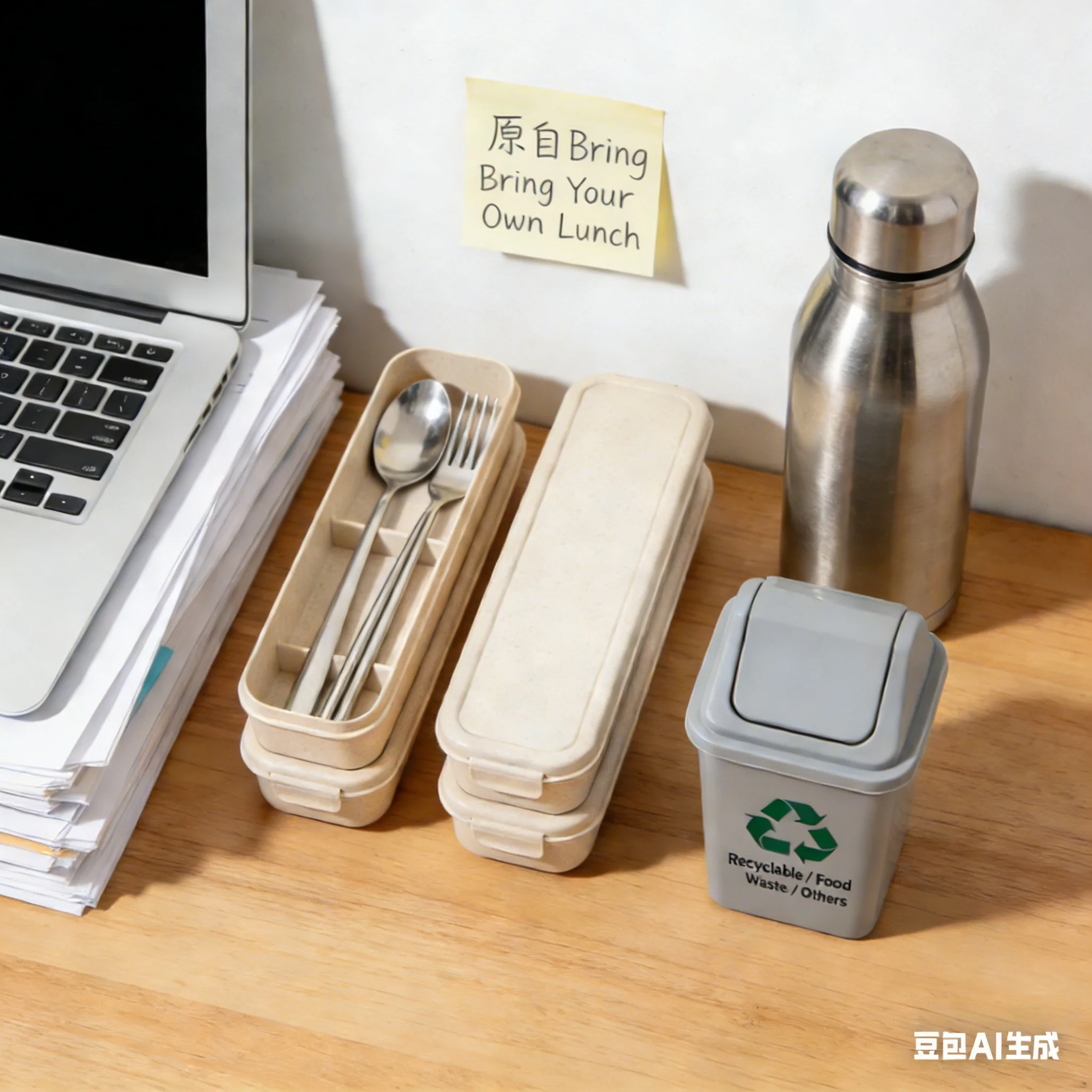
Keep a reusable shopping bag where you usually leave home. If you routinely buy coffee or lunch, keep one clean cup or food container in the place you are most likely to remember it. Use what you own; a new “zero waste kit” is not a prerequisite.
At work or school, refill a bottle if safe drinking water is available. If you forget a reusable item, use the service available to you without guilt. A practical habit is more useful than a complicated rule you cannot maintain.
Make food easier to use
Before a grocery trip, glance at the fridge and freezer and choose a few meals that use food already on hand. Keep a visible “use next” shelf or container. Freeze extra portions when appropriate, and write the food name and date on containers so leftovers do not disappear at the back.
The EPA's food waste prevention guidance covers planning, storage, and using food before it spoils. These steps can be scaled to a five-minute check; they do not require a fixed weekly meal-prep block.
Reduce packaging without adding errands
- Buy a familiar item in a larger size only when you can use it before it spoils and have a place to store it.
- Choose loose produce when convenient, but do not make a separate trip solely to find package-free options.
- Ask for no disposable utensils with takeout when the ordering service allows it.
- Use a reusable cloth for ordinary cleaning where suitable, then wash it with your regular laundry.
- Borrow a tool or ask about repair before replacing something that has stopped working.
Choose disposal options that exist locally
If your city offers food-scrap collection or a drop-off site, check its accepted materials and schedule before setting up a kitchen container. A small apartment or a busy schedule may make municipal collection easier than managing a home compost system. The EPA's composting overview distinguishes home, community, and municipal options. Food-scrap dehydrators reduce moisture and volume but do not produce finished compost.
For recycling, follow your local hauler's list. Rinsing, sorting, and accepted plastics differ by program; a recycling symbol alone does not guarantee curbside acceptance.
Keep the routine small
At the end of the week, ask which habit saved effort and which became a burden. Keep the helpful one, adjust or drop the rest, and add another only when the first feels automatic. Low-waste living should fit around work, caregiving, health, and rest—not compete with them.
Continue Your Zero Waste Journey
Ready to learn more? Explore our other guides and tips for sustainable living.