Zero Waste Lifestyle Tips for College Students
Practical campus ideas for meals, supplies, and waste services, adapted to school rules, personal needs, and budget.
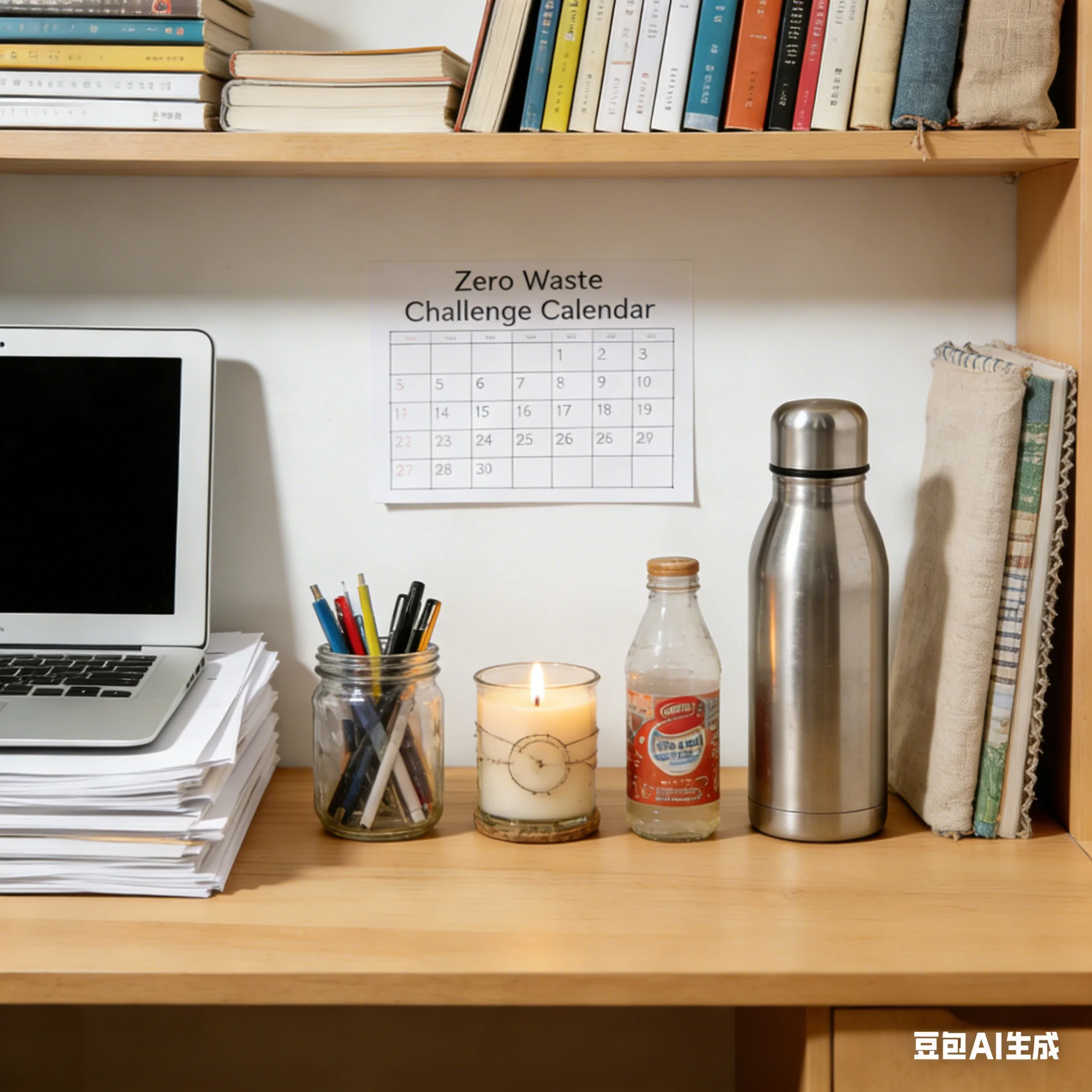
College life can involve busy schedules, tight budgets, and shared spaces. Campus services differ, so start with options that are actually available where you live and study. These ideas are meant to be adapted to dorm, apartment, and commuter routines.
1. Dorm Kitchen & Dining: Eat Sustainably on a Budget
Meals can involve takeout containers or packaged snacks, but routines and campus services differ. Consider options that fit your schedule, dietary needs, and budget:
Skip the Single-Use Dining Ware
If your dining hall or campus café offers reusable dishware, use it according to its return rules. For takeout or packed meals, carry reusable utensils only if it is convenient to transport and wash:
- Keep a small utensil set where you are likely to remember it. A straw may be important for accessibility; choose one that meets your needs.
- Ask whether a campus café accepts a personal cup; policies and discounts vary.
- Use food containers labeled for the intended heating method, and follow their instructions. Glass is one option when suitable, but do not heat any container unless its label permits it.
Compare Bulk and Packaged Options
Some nearby stores have bulk sections. Ask about container rules before bringing your own jars or bags, and compare unit prices; bulk goods are not always cheaper.
For fresh produce, use a clean reusable bag or carry items loose when practical. Farmers markets and package-free options vary by location and season.
Check Food-Scrap Options on Campus
If your campus has a food-scrap program, check its accepted materials and drop-off instructions. If not, focus on buying and storing what you can use; home composting needs suitable space and maintenance. Bokashi ferments scraps but the material still needs further treatment. Unopened food may be donated if a campus pantry accepts it; check first.
2. Personal Care: Lower-Packaging Options for Students
If you are replacing a personal-care product, compare available packaging, ingredients, cost, and storage needs with what you use now:
Switch to Solid & Package-Free Products
If a bar soap or shampoo works for you, compare its ingredients and packaging with the product you already use. Performance, lifespan, packaging, and prices vary; do not assume a bar is suitable for every person or automatically compostable.
For soap, choose a refill or bar option only if it suits your skin and budget. Avoid experimenting with homemade face products if you are sensitive or unsure about ingredients; use products as labeled and seek professional advice for persistent skin concerns.
Compare Reusable Razors and Pads
If you are comfortable with one, a stainless steel safety razor can reduce disposable handles, but it has a learning curve and blades need safe handling. Check local rules before putting blades in recycling; never place loose blades in a bin.
If washable rounds or cloths suit your skin and laundry routine, they may replace some disposable pads. Follow product washing guidance and stop using an item that irritates your skin. Keep disposable products when they are more appropriate for your needs.
Refill Instead of Replacing
Some college towns have refill stations. Check current local availability and prices before making a special trip; a larger container only helps if you can store and use it.
3. Study & School Supplies: Lower-Waste Learning
Before buying study supplies, check what your courses require and what you already have. Choose an option that works for your course, budget, and accessibility needs:
Choose Reusable Writing Tools
Use a pen or pencil you already have while it works. If you need a replacement, compare a refillable pen with other suitable options, including ink availability, price, and whether you can reuse or recycle its components locally.
Go Digital When Possible
If your instructor provides digital readings and they work for you, using them can avoid printing. Paper notes or printed materials may suit some courses and accessibility needs better; when printing, use settings such as double-sided output when appropriate and follow local paper-recycling rules.
Buy Secondhand School Supplies
Before buying course materials, check whether your instructor, library, bookstore, or student groups offer a used, rental, lending, or digital option. Availability, price, access, and course requirements differ; use a format that works for your class.
For small supplies like staplers, rulers, or calculators, ask friends or classmates whether they have an item to lend or pass on. Check condition and course requirements before relying on a secondhand item.
4. Campus Life & Socializing: Zero Waste Fun
Campus social life can include events and shared activities. Ask organizers about the options available and choose what fits your needs:
Bring Your Own to Events & Parties
If an event allows personal items, a reusable cup or utensils may replace some disposables. Check event rules first, and bring only what is convenient and can be cleaned safely.
For outdoor events, use reusable plates or cups when washing and carrying them is practical. Check the event's rules and waste facilities before bringing them.
Swap Instead of Shopping
If your dorm or club is interested, organize a clothing or school-supply swap. Agree on item condition and leftover-item plans in advance; a swap can extend use, though it cannot guarantee that every item finds a new owner.
Get Involved in Campus Sustainability Efforts
Check whether your campus has a sustainability office, student group, waste guide, or collection program. If it does, ask how to participate or suggest a change; services and student-led groups vary by school.
5. Budget Considerations for Students
Low-waste routines can sometimes reduce spending, but the result depends on local prices and what you already own. These options focus on avoiding purchases that do not fit your needs:
- Use suitable items you already have: Before buying a new product, check whether an existing clean item is safe and suitable for the intended use. Do not use a container for food unless it is food-safe.
- Compare prices: Store-brand and specialty products vary in price, ingredients, size, and performance. Compare unit cost and whether the product meets your needs.
- Check secondhand options: Availability, condition, and price vary. Inspect an item and make sure it is safe and suitable before buying it secondhand.
- Use labeled products safely: Try a washable cloth for suitable cleaning tasks, and use any cleaner according to its label. Homemade mixtures are not automatically safer or effective; see the EPA's guidance on homemade cleaners.
Final Thoughts: Start Small, Think Big
Student schedules, budgets, and campus services vary. Start with one option that works where you study, such as borrowing a book, using reusable dishware when the dining program provides it, or checking whether a food-scrap collection is available. Keep the change only if it remains practical for your routine.
Continue Your Zero Waste Journey
Ready to learn more? Explore our other guides and tips for sustainable living.