How to Organize a Community Reuse Swap
Set clear item rules, an accessible layout, and a realistic plan for unclaimed goods so a swap creates useful handoffs.
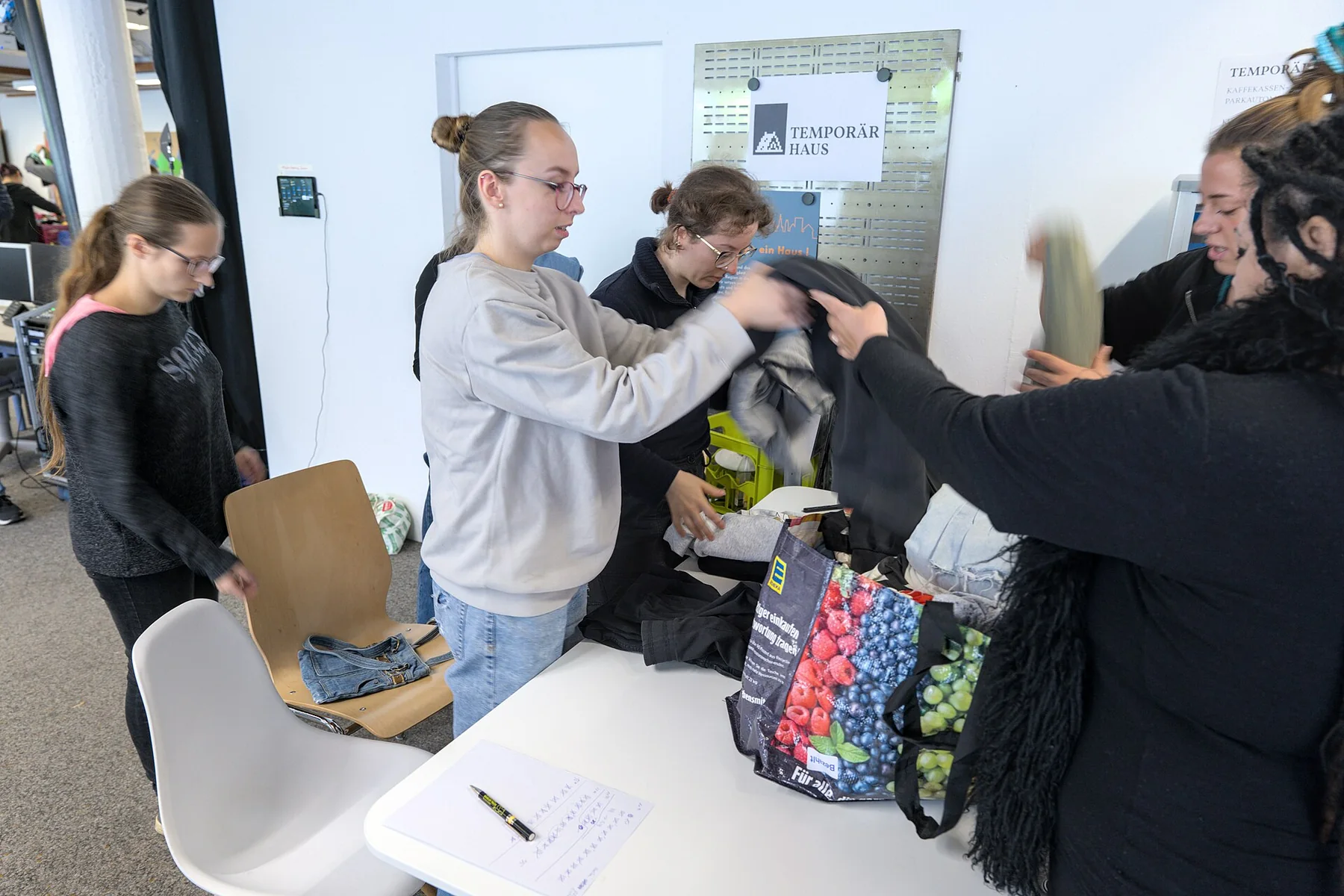
A community reuse swap gives people a structured way to pass useful belongings to someone who wants them. Clothing swaps are familiar, but a swap can focus on books, toys, household goods, craft supplies, garden tools, or seasonal equipment. A successful event is not just a table where unwanted items are left behind. It needs a clear scope, acceptance rules, a fair way for people to browse, an accessible venue, and a plan for every item that remains after the event.
Choose a scope that the organizers can manage
Start with a category and a realistic size. Clothing, books, and small household objects are easier for a first event than a mixed collection of large furniture, electronics, and hazardous materials. Ask potential participants what they would bring and what they hope to find. Keep the event focused enough that volunteers can inspect, sort, and display items without blocking exits or overwhelming the venue.
Decide whether the swap is free, uses tokens, runs through time slots, or allows direct exchange. Each model has tradeoffs. A free event is easy to explain but may need limits to prevent one person from taking all the stock. Tokens can help balance contributions and choices, but require a clear system for people who arrive without items. Direct exchange is simple for a small group but can leave useful things unmatched. State the rules in advance and apply them consistently.
Zero Waste Scotland’s How to Run a Swish/Swap Shop guide is one regional resource for organizing a clothing swap. Its terminology and context are Scottish; organizers elsewhere can use it as a planning reference while adapting venue, safety, charity, and local waste requirements to their own area.
Publish acceptance rules before collecting
List the items you accept, their condition, and any categories you cannot take. For clothing, specify whether items should be clean, dry, wearable, and free of strong odors. For books, toys, or kitchen goods, clarify whether incomplete or damaged items are accepted. Unless the event has a verified route for them, exclude medicines, chemicals, batteries, recalled products, broken electrical equipment, car seats, large appliances, and bulky goods that volunteers cannot inspect or store safely.
Ask people to keep items at home until the event or use a scheduled drop-off window. This prevents a venue from receiving an unmanageable pile before volunteers are ready. Give a maximum contribution if space is limited. A swap should not become a public dumping point for objects that the organizers have no capacity to sort or remove.
Assign volunteers to inspect incoming goods against the published rules. If an item is not suitable, explain the decision respectfully and provide a local alternative when one is known. Do not promise that an item will be recycled or donated unless the receiving organization has agreed to accept it. Collectors and charities have their own standards, hours, and capacity.
Make the venue easy to use
Confirm that the venue permits the activity, has enough floor and table space, and allows the planned collection and cleanup. Check entrances, accessible paths, restroom access, seating, lighting, parking or transit, storage, and emergency exits. Place signs where participants make decisions. Use labels with words and examples rather than relying only on color. If the event serves people with different languages or reading needs, prepare simple translated or illustrated instructions where organizers can provide them accurately.
Create separate areas for incoming items, quality checks, display, checkout, and anything temporarily set aside. For clothing, sort by broad type and size so visitors can find items without digging through a single large pile. Provide mirrors and fitting arrangements only if the venue supports privacy and the event can manage them. Keep small accessories in labeled containers and away from children who may mistake them for toys.
Think about fairness. You might open browsing in timed waves, limit the number of items each person can take during the first round, or reserve a portion for a later opening. Explain the approach before the queue forms. If registration is required, provide an option for people who cannot use the digital system. A swap should be welcoming to people who have nothing to contribute, including those with limited money, transport, storage, or mobility.
Plan the day and volunteer roles
Make a simple schedule for setup, intake, browsing, restocking, closing, and cleanup. Assign roles such as venue contact, intake checker, category organizer, accessibility helper, queue coordinator, and leftover manager. Provide volunteers with the acceptance rules and a clear point of contact for uncertain decisions. If donated items include something that may be unsafe, stop and consult the organizer rather than guessing.
Set expectations with participants. Explain whether there is a fee, whether bags are provided, when the doors open, and how many items can be taken. Ask people to bring a reusable bag only if that is practical; have a small supply of reused bags for attendees who need one. Tell people not to leave items outside opening hours and how to report an issue.
Give every leftover a next step
Before the swap, contact possible recipients such as a charity shop, school, community center, repair group, reuse shop, or municipal collection service. Confirm the item types, quantities, condition, timing, and transport requirements they accept. A recipient that accepts good clothing may not accept damaged textiles, and a reuse center that takes furniture may have limited storage. Do not decide on event day that an organization will take everything.
At closing, separate usable items from unsuitable or damaged items and follow the confirmed plan. Return borrowed racks and tables, clean the venue, and record any materials that remain. Arrange transport while the volunteer team is still available. If a route falls through, secure the items temporarily and communicate a new plan; do not leave a mixed pile at the venue or beside a donation container.
Review the event afterward. Count broad categories received, swapped, and left over if that information is useful, but do not convert those counts into environmental savings without a credible calculation. Ask participants and volunteers what made the event easier or harder. Update the next event’s rules, collection window, venue layout, or partner list based on those observations.
A community swap works when the items are genuinely useful, the rules protect participants and the venue, and leftovers have an agreed destination. Start small, publish realistic boundaries, make the exchange accessible, and keep the promise to manage what arrives. That creates a repeatable local service rather than a one-day transfer of someone else’s disposal problem.
Sources
Continue Your Zero Waste Journey
Ready to learn more? Explore our other guides and tips for sustainable living.