How to Plan a Lower-Waste Community Event
Coordinate vendors, food, reusable serviceware, accessibility, and cleanup before an event, using the venue's actual services.
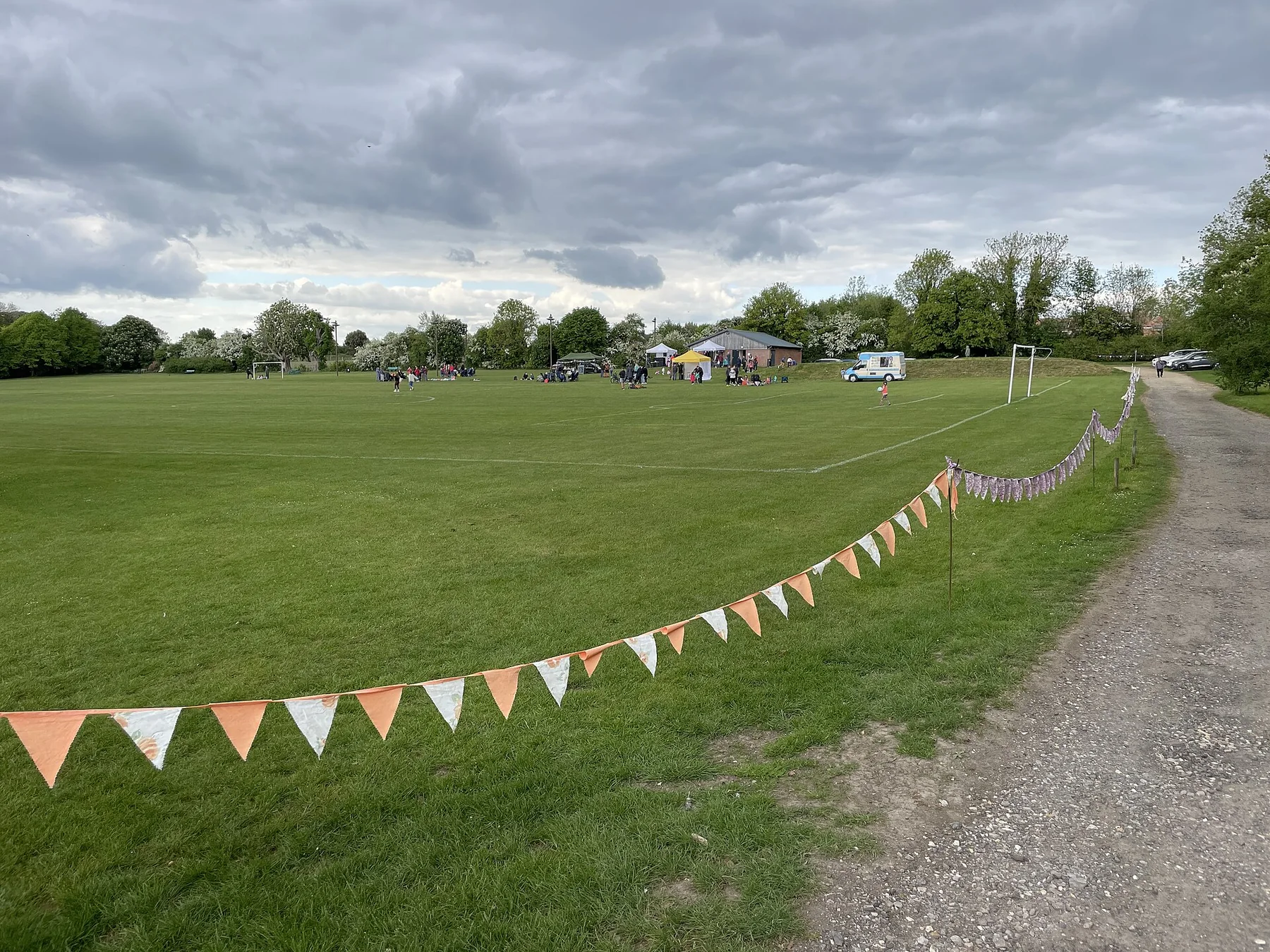
Community events bring together food, people, equipment, printed materials, vendors, and many small decisions that can create unnecessary waste if they are made at the last minute. Planning for lower waste does not mean making an event difficult to attend or removing services people need. It means identifying likely material flows early, discussing practical options with the venue and suppliers, and making clear arrangements for what will be reused, donated, collected, or taken away.
Set the event around real attendance and access
Begin with the event’s purpose, expected attendance, schedule, venue rules, weather plan, and audience needs. Use registration or previous attendance where available to estimate quantities, while recognizing that a forecast is not exact. Provide a way to accommodate walk-ins, interpreters, accessibility needs, dietary requirements, and people who cannot use a phone or online ticket. A paper backup or on-site sign-in may be necessary even when electronic tickets are the default.
Make a list of items the event will need: food, water, cups, plates, signs, decorations, name badges, tables, equipment, and cleaning supplies. For each one, ask whether it can be borrowed, rented, reused from a previous event, or supplied by the venue. Buying durable goods for a single day can be wasteful if there is no storage or future use; a rental may be a better option. Conversely, renting may not be practical for a small remote gathering. Choose based on the actual event and local services.
Coordinate with the venue and suppliers early
Ask the venue what waste and recycling services exist, which materials they accept, where containers can be placed, who empties them, and what happens after collection. Check the rules before writing a vendor contract or designing signage. A waste station labeled “recycling” is not useful if the receiving service does not accept the material. Ask for a simple written list of accepted materials and share it with caterers, exhibitors, volunteers, and attendees.
Discuss material choices with vendors before they order. The Business of Recycling Wales, a WRAP service for the Welsh context, suggests options such as electronic tickets and guides, refill stations, reusable cups or deposit-return systems, and discouraging unnecessary single-use sachets. These are examples, not requirements for every event. A reusable-cup scheme needs enough clean cups, a return point, washing capacity, staff, and a plan for deposits. If the venue cannot support that loop, choose a realistic serviceware option accepted by the local collection system.
Provide drinking water access that is visible and easy to use. Confirm whether the venue has safe refill taps, how queues will be managed, and whether attendees need to bring a suitable container. Do not promise free refill access without checking venue policy and water service. Plan for accessibility, including people who need staff assistance or cannot carry a reusable bottle.
Plan food quantities and leftovers responsibly
Coordinate with caterers on menu quantities, service timing, dietary information, and safe storage. A precise headcount can help planning, but over-ordering may still happen. Where permitted, ask whether unopened shelf-stable items can be returned or whether excess food can be collected by an established community partner. Do not promise food donation without confirming the recipient, timing, temperature requirements, packaging, and local food-safety rules.
Food laws and liability practices differ by location. The Wales guide links to local guidance on food businesses and surplus food, but that guidance should not be treated as global permission to donate any leftover item. Ask the relevant food-safety authority and the receiving organization. If a donation route is not safe or accepted, plan another compliant option. Keep allergens and ingredient information with food throughout service.
Use menu and service choices that make portions understandable and reduce unwanted extras. Offer condiments and napkins in a way that lets people take what they need, while keeping access easy for attendees who need assistance. Give vendors a concise specification in advance rather than expecting them to infer expectations on event day.
Design clear stations and communication
Put waste stations where people naturally finish food or unpack materials, and place accepted streams together so attendees can choose accurately. Use labels with words and examples rather than relying only on colors or symbols; color conventions differ across locations. Assign a volunteer to answer questions during busy periods and to correct misplaced items before they contaminate a collection. Keep collection containers accessible without blocking entrances or routes.
Reduce one-off print by using a digital schedule where it works for the audience, but provide a small number of paper copies or a visible physical schedule when needed. Reuse signs and directional boards from previous events. Remove old date-specific information before reuse so attendees are not misdirected. Decorations and displays should be stable, safe, and easy to pack for another event.
Tell attendees what will happen before they arrive. Include refill options, transit or parking details if known, reusable-container expectations, and any waste rules. Keep instructions short and avoid shaming language. If guests are asked to bring an item, explain why and provide an alternative for those who cannot do so.
Close the loop after the event
Assign responsibility for teardown before the event starts. Identify who will collect rented equipment, return reusable cups, store signs, take leftover supplies, and verify that the venue’s bins are not contaminated. Label items that belong to the event organization and record where they will be stored. Ask vendors to remove their packaging and materials when that is part of the agreement.
Afterward, record what was actually used, returned, donated, recycled, or discarded. You do not need a precise environmental impact score to improve the next event. A short debrief can show that the water station was hard to find, too many printed programs remained, or the rental return window conflicted with venue closing. Capture the practical finding and assign one change for the next event. Do not present an estimate as a measured result.
A lower-waste event depends on collaboration with the people who supply, host, attend, and clean up. Start with the venue’s actual services, choose options that fit accessibility and food safety, and give each material a clear next step. That planning makes reuse easier for attendees and gives organizers a factual way to improve future events.
Sources
Continue Your Zero Waste Journey
Ready to learn more? Explore our other guides and tips for sustainable living.