A Lower-Waste Moving Guide: Plan Before You Pack
Prepare for a household move by using what you own, passing on useful items early, and checking local disposal options for the rest.
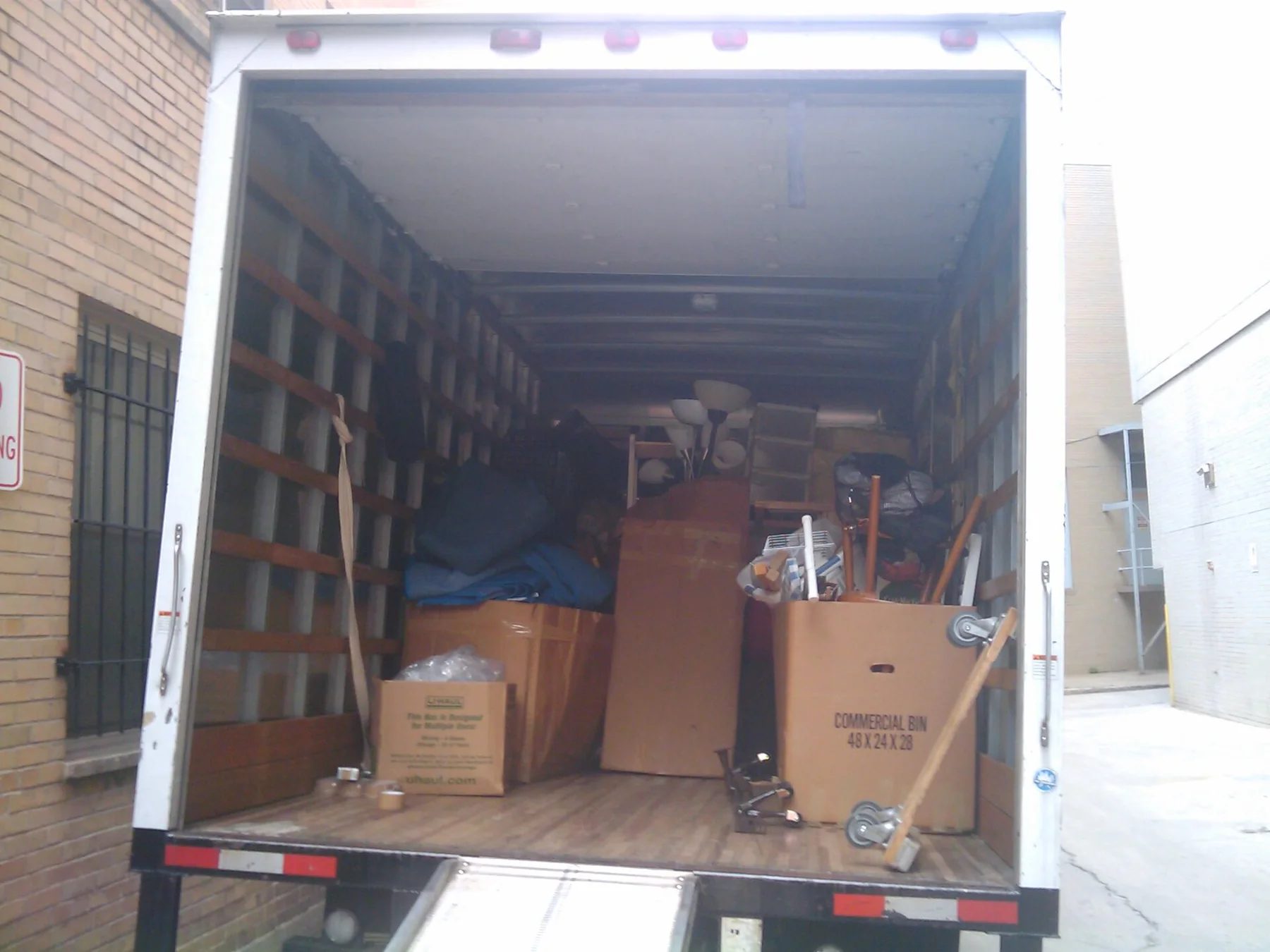
A move changes what a household owns, uses, and has room to store. It can also reveal forgotten food, duplicate equipment, awkward furniture, and packaging left from earlier deliveries. Planning before packing gives useful objects more time to find a next home and gives special waste a chance to reach an appropriate collection point. A lower-waste move is not a promise that every box will be reused or every item diverted; it is a sequence of practical decisions made before the deadline becomes urgent.
Begin with a room-by-room inventory
Start as soon as the move date is reasonably clear. Walk through one room at a time and list the items that need a decision. Use four working groups: take, pass on, repair or return, and dispose through a verified route. The groups are planning tools, not labels that automatically make an item reusable. A working appliance offered too late, a damp mattress, or a broken chair may not be accepted by a charity or reuse organization. Contact potential recipients first and follow their condition, collection, and timing requirements.
Give household members a simple way to flag belongings that need discussion. Do not assume that one person can discard shared or sentimental items on behalf of everyone. For a rental, dorm, shared house, or international relocation, also check the rules that apply to the building, transport provider, border, and destination. A material that is easy to pass on locally may be restricted or uneconomical to move over a long distance.
Pass useful items on early
The earlier a usable item is listed or offered, the more time there is to coordinate collection. Try a known recipient, community reuse group, local secondhand shop, library, repair service, or donation program that explicitly accepts the item. Describe condition honestly, include measurements when they matter, and say whether the item needs to be collected. If no one confirms acceptance, make another plan rather than leaving it outside a building or beside a donation bin.
Small repair or cleaning may make an item easier to pass on, but it should not hide a defect. Include the information a next user needs: missing parts, model numbers, care instructions, or known faults. If an item is no longer suitable for another user, check whether its materials have a separate collection route. “Donation” does not guarantee reuse, and it should not become a way to transfer an unwanted object to an organization that cannot handle it.
The U.S. Environmental Protection Agency’s household advice includes using old newspapers to wrap fragile objects, choosing moving boxes with recycled content, and checking whether unused boxes can be reused. These are U.S.-based examples, so local collection programs and available services may differ. The transferable principle is to plan packaging around protection and a next use instead of treating new single-use materials as the automatic choice.
Use packing materials in a practical order
First gather sturdy boxes and protective materials already in the home or available through a friend, workplace, local reuse group, or rental service. Match box size to the contents and avoid packing a container so heavily that it becomes difficult or unsafe to carry. Reusable bags, suitcases, towels, blankets, and clean linens can protect suitable items while also moving belongings that need to travel. Check with the moving company before using unusual containers or materials; carrier requirements can vary.
If you need more packaging, ask providers what is accepted after the move. A box-rental system may collect its containers, while another supplier may expect customers to flatten and recycle cardboard locally. Recycled-content materials can still have a use, especially when they protect fragile belongings, but buying a large excess because it is convenient can leave you with a new disposal problem. Keep packaging clean and dry if another person may reuse it.
Do not use household objects as packing material when doing so could damage them, contaminate food-contact items, or create a carrying hazard. Avoid improvising with products that are flammable, leaking, chemically active, or difficult to identify. For electronics, batteries, paints, cleaners, gas cylinders, and similar items, follow the product label, carrier restrictions, and local hazardous-waste instructions. Do not pack a restricted item into a moving truck simply because it fits in a box.
Make a special plan for food and household products
In the weeks before moving, plan meals around food already in the refrigerator and pantry. Share unopened food only where the recipient can use it and accepts it. Avoid transporting perishable food over a long or uncertain journey if temperature control cannot be maintained. For items that cannot move with you, check whether a local food-sharing program, neighbor, or community organization accepts them.
Review paints, solvents, cleaners, medicines, oils, batteries, and electronics separately. Their instructions differ by item, and a local authority may offer collection days or a permanent drop-off site. Keep products in original, legible containers where the local program requests this; do not mix contents or pour them into drains merely to empty a shelf. Rules for collection and transport are local and may also depend on a professional mover’s contract.
Create a small “open first” box for items needed immediately at the destination, and label it clearly. Separate it from anything scheduled for donation, recycling, or disposal. This reduces the chance that useful daily items become buried in a pile that is later cleared under time pressure.
Close the loop after arrival
At the new home, unpack boxes in a way that lets you check them for damage and sort clean materials by their next use. Return rented boxes, offer reusable ones to another mover, or follow local cardboard collection rules. Remove personal labels or documents before passing packaging to someone else. If your new location has different recycling rules, look them up before placing packing material in a bin; acceptance can vary by service.
Review the inventory once more after the move. Some decisions that seemed clear before moving may change when the new space, storage, or transport options become visible. A few unopened boxes are a prompt to evaluate what is genuinely needed, not a reason to discard contents immediately. Give anything still in good condition a specific next step and timeframe.
Sources
Continue Your Zero Waste Journey
Ready to learn more? Explore our other guides and tips for sustainable living.