Zero Waste Lifestyle Tips for Meal Prep
Flexible meal planning and storage ideas that may help you use food you already have, adapted to schedule, storage, and dietary needs.
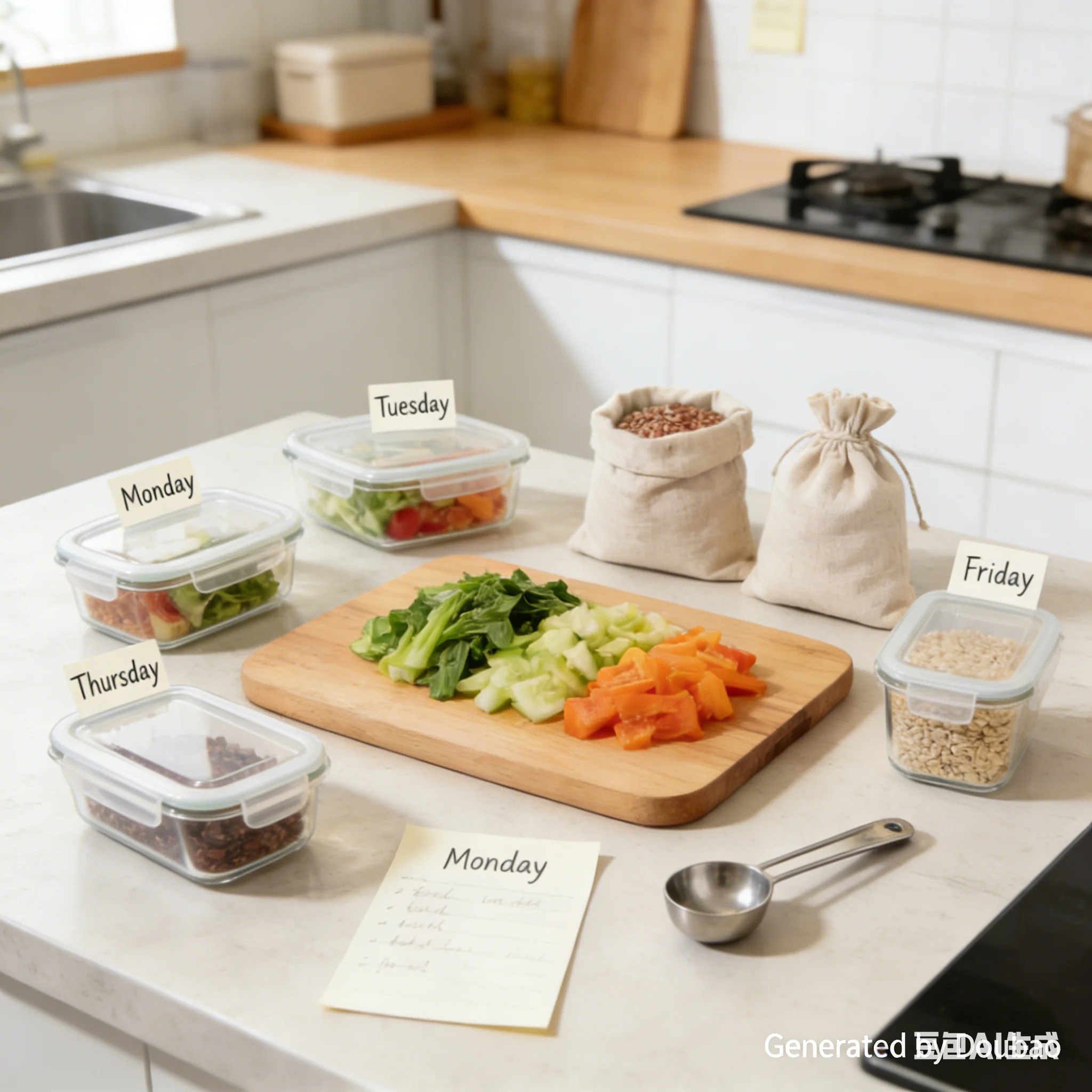
Zero Waste Meal Prep: The Ultimate Strategy to Slash Food Waste & Packaging
Meal preparation can help some households use food they already bought and make weekday meals easier. It is not the only or best approach for everyone; schedules, storage, dietary needs, and available time vary. This guide offers flexible ways to plan and store food without requiring a full day of cooking.
Why Meal Prep is the Cornerstone of a Zero Waste Kitchen
Food purchased but not eaten can waste both money and resources. The EPA's household food guidance recommends planning, appropriate storage, and using food before it spoils. A flexible meal-prep routine may help:
- Planning may help some households avoid unneeded purchases.
- Preparing ensures all purchased food is used efficiently.
- Appropriate Storage can help maintain food quality; follow product and food-safety guidance.
Whether it changes your waste or grocery bill depends on what you buy and how you use it.
Phase 1: The Strategic Plan – Your Weekly Blueprint
Start with a quick check of the fridge, freezer, and pantry. Spend as much or as little time as suits your week.
-
Check what needs using: Look in the refrigerator, freezer, and cupboards. Build one meal around an ingredient that should be used soon, if it fits your plans.
-
Design a Flexible Meal Plan: Plan 3-4 core dinner recipes for the week. Choose recipes that:
- Share common ingredients (e.g., a bunch of cilantro used in a curry and a salsa).
- Yield intentional leftovers for lunches.
- Incorporate different cooking methods (one roast, one soup, one stovetop dish) to manage time and energy.
-
Create a Precise Shopping List: Based on your audit and meal plan, list ONLY what you need to buy. Organize your list by section (Produce, Bulk, Dairy) to avoid backtracking in the store. Note approximate quantities to prevent overbuying.
Phase 2: The Zero Waste Shop – Sourcing Ingredients Sustainably
A plan may help you shop with purpose, although packaging options depend on the store and products available.
- Compare package options: Bulk bins may suit some shoppers. Check store rules, price per unit, hygiene requirements, and how much you can use; bulk is not always cheaper.
- Choose loose produce when practical: Use a clean reusable bag or no bag for suitable items. Availability and price differ by store; packaged produce may be the practical choice for some foods or households.
- Ask about refills or customer containers: Availability and hygiene rules vary by seller. Contact the store first, follow its handling policy, and compare the price and packaging with alternatives.
- Choose a usable quantity: For a new ingredient, buy an amount you can store and are likely to use. A larger container may use less packaging per unit, but only if the contents do not spoil or go unused.
Phase 3: The Efficient Prep – "Cook Once, Eat Twice (or Thrice)"
Choose a preparation task that fits your schedule. It might be making one batch of grains, washing produce, or portioning leftovers; a long weekly cooking session is not required.
- Prepare only what you will use: Wash or portion ingredients when that makes cooking easier. Store them in clean containers suited to the food and label as needed.
- Batch-Cook Core Components: Cook large batches of neutral bases that can be repurposed:
- Grains: A big pot of brown rice, quinoa, or farro.
- Proteins: A tray of roasted chickpeas, baked tofu, or a pot of lentils.
- Roasted Vegetables: A sheet pan (or two) of mixed veggies like broccoli, sweet potato, and cauliflower.
- Use a flexible meal pattern: Combine prepared ingredients in ways that suit your preferences, dietary needs, and available food. The same base will not work for every household.
- Prep for Success: Portion out grab-and-go snacks (nuts, cut fruit), make a large jar of salad dressing, or blend a soup for easy lunches.
Phase 4: Smart Storage & The Art of the Leftover
Proper storage is what makes meal prep sustainable and safe.
- Use suitable containers: Choose clean containers that are labeled for the food and storage or heating method. Label leftovers with the date so they are easier to use in time.
- Make older food easy to find: Place food that should be used soon where it is visible, and label leftovers with a date. Follow refrigerator and food-safety guidance for storage times.
- Use your freezer when appropriate: Freeze portions you will not use soon in a container suited to freezing, and label them. Follow storage guidance for the food.
For leftovers and meal-prepped food, follow food-safety guidance where you live. In the United States, USDA advice for takeout and leftovers says to refrigerate perishables within two hours, or within one hour when the surrounding temperature is above 90°F. Do not leave cooked food out while preparing an entire week of meals.
The "Scrap-to-Stock" System: Closing the Loop
True zero waste meal prep doesn't end when the meal is eaten.
- Save suitable scraps: If you enjoy homemade stock, freeze clean vegetable scraps in a food-safe container. Flavor depends on the ingredients; use only parts that are safe and suitable to eat.
- Make stock if useful: Simmer suitable scraps with water and seasonings using a recipe you trust. This uses kitchen time and energy, so compare it with stock you would otherwise buy. Compost the strained scraps only through a system that accepts them.
- Use suitable scraps: Save edible parts for recipes when appropriate. Compost only through a system that accepts the material; do not assume a homemade citrus-vinegar mixture is a disinfectant or a suitable cleaner for every surface.
Overcoming Common Challenges
- "I get bored eating the same thing." Use your prepped components flexibly. Roasted chickpeas can be in a Monday bowl, a Tuesday salad, and a Wednesday wrap with different sauces and fresh add-ons.
- "I don't have time to prep for hours." Start with one small task, such as planning a leftover meal or moving food that needs using to a visible spot. The result will vary with your routine.
- "My family resists planned meals." Involve them in the planning process. Let each person choose one meal for the week. Keep a "flex night" for leftovers or a simple pantry meal.
Meal prep is one optional tool for using food you already have. Keep the parts that make your week easier, adjust them when your schedule changes, and avoid preparing more than you can store and eat safely.
Continue Your Zero Waste Journey
Ready to learn more? Explore our other guides and tips for sustainable living.