Zero Waste Lifestyle Tips for Minimalists
Explore where minimalism and waste reduction overlap, with practical advice that does not require buying more products.
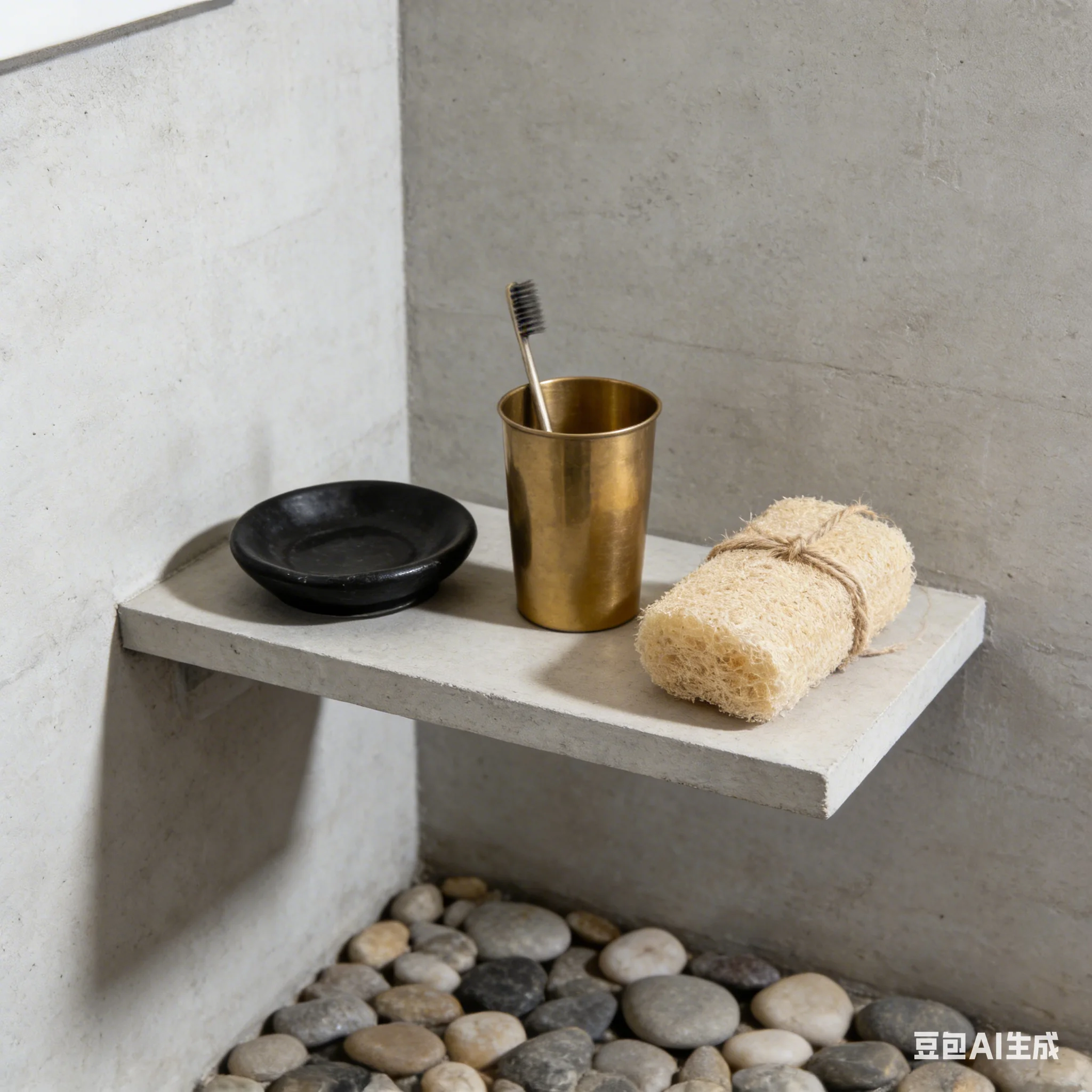
Minimalism and waste reduction are different approaches that can overlap. Owning fewer things may mean fewer purchases for some people, while low-waste choices also depend on product availability, repair options, local services, and individual needs. These ideas focus on practical decisions and do not require buying a new set of products.
1. Shop with “Dual Intent”: Minimalism + Zero Waste
If you prefer to own fewer things, consider how a needed purchase will be used, cared for, repaired, and disposed of. People who identify as minimalists have different habits, so choose only the considerations that fit your situation.
- Prioritize useful and maintainable items: When a purchase is needed, consider whether it fits your routine, can be repaired, and uses packaging your local program accepts. Package-free is not always available or practical.
- Avoid “zero waste clutter”: Don’t buy new products just for the sake of a label. Use a clean, food-safe container you already own when it fits the task; a jar or cloth is not suitable for every use. The goal is to avoid unnecessary purchases, not to add specialized storage.
- Choose durable items when they suit you: Compare repairability, care, cost, and how often you expect to use an item. A reusable bag or razor only replaces disposables when it is used consistently and maintained.
2. Streamline Your Space with Zero Waste Systems
If organization matters to you, a routine that uses items you already own may also reduce unnecessary purchases. Reusable systems still require storage, cleaning, and maintenance.
- Use suitable containers you already own: Glass, ceramic, plastic, and cloth all have different uses and care needs. Keep food only in containers intended for it, follow heating instructions, and check local guidance before recycling or disposing of worn items.
- Plan for items you no longer need: Selling, donating, repairing, or sharing can be options when an item is in suitable condition and a recipient or service accepts it. Do not assume every item can be reused; follow local disposal guidance for the rest.
- Minimize cleaning supplies (and waste): Use a washable cloth for suitable tasks and keep cleaners labeled for the surfaces you maintain. “Natural” mixtures are not automatically safe or effective; the EPA notes that homemade cleaners typically do not perform as well as formulated products. Never mix cleaning products.
3. Merge Minimalist Habits with Zero Waste Rituals
Some people find overlap between owning fewer things and reducing waste, but the goals are not interchangeable. Choose changes that work with your budget, time, and local options.
Food: Simplify Meals, Cut Waste
Food routines differ, so start with what is already in your kitchen and plan meals around what you can use. If a store offers bulk staples, check its container rules and compare unit prices. Buying in bulk does not eliminate packaging, guarantee savings, or prevent food from going unused. Compost only where you have a suitable method and follow its accepted-material rules; bokashi material needs further treatment before it becomes finished compost.
Personal Care: Choose Products That Suit You
If you want to simplify a personal-care routine, use products that meet your skin, hair, and health needs. Consider a lower-packaging alternative only when a replacement is needed:
- Consider a solid shampoo or soap if it works for your skin and hair. Product lifespan and packaging vary; use up what you already own before switching.
- Avoid buying products you do not need. Use personal-care products as labeled and choose an item suitable for your skin and hair rather than assuming one oil works for every purpose.
- Try washable cotton rounds or a cloth if you can launder and store them comfortably. How many disposables they replace depends on your routine.
4. Avoid the “Perfection Trap”: Minimalism and Zero Waste Are Journeys
Both lifestyles prioritize progress over perfection—but it’s easy to fall into the trap of “needing to be 100% zero waste” or “having the perfect minimalist setup.” Remember:
- It’s okay to have non-zero waste items: If you already own a plastic water bottle, use it until it’s worn out before replacing it with a stainless steel one. Minimalism teaches us to avoid unnecessary consumption—this applies to zero waste products too.
- Simplify first, then sustain: If you’re new to merging the two, focus on simplifying your life first (decluttering, meal planning, paring down possessions) before adding zero waste swaps. Once your routine is streamlined, zero waste practices will feel like a natural extension, not an added burden.
- Focus on impact, not aesthetics: A minimalist zero waste home doesn’t need to look like a Pinterest board. Use what you have, embrace imperfection, and prioritize actions that reduce waste over having “perfect” zero waste products.
5. Manage Devices and Digital Files Thoughtfully
If managing digital clutter is a goal, review files, subscriptions, and devices in a way that suits your work and accessibility needs:
- Keep a device while it remains safe and useful; compare repair cost and support with replacement. Use local e-waste collection guidance when a device reaches end of life.
- Use digital documents when they meet your needs and any privacy, accessibility, or record-keeping requirements. When printing is necessary, follow local paper-recycling rules.
- Unsubscribe from messages you no longer want to reduce inbox clutter. Do not treat unsubscribing as a measurable energy-saving action without evidence for the service and use being compared.
Final Thoughts: Minimalism + Zero Waste = Intentional Living
Combining minimalism with waste reduction does not require a perfect setup. Focus on purchases and routines you can maintain, and use local guidance for recycling, composting, and disposal.
Choose a small number of practices that fit your life. Owning fewer things or changing a routine does not make a household waste-free, and what works will vary by person.
Continue Your Zero Waste Journey
Ready to learn more? Explore our other guides and tips for sustainable living.