How to Reduce Waste From Online Shopping Packaging
Prevent avoidable packaging where possible, reuse sound materials, and sort what remains according to local recycling rules.
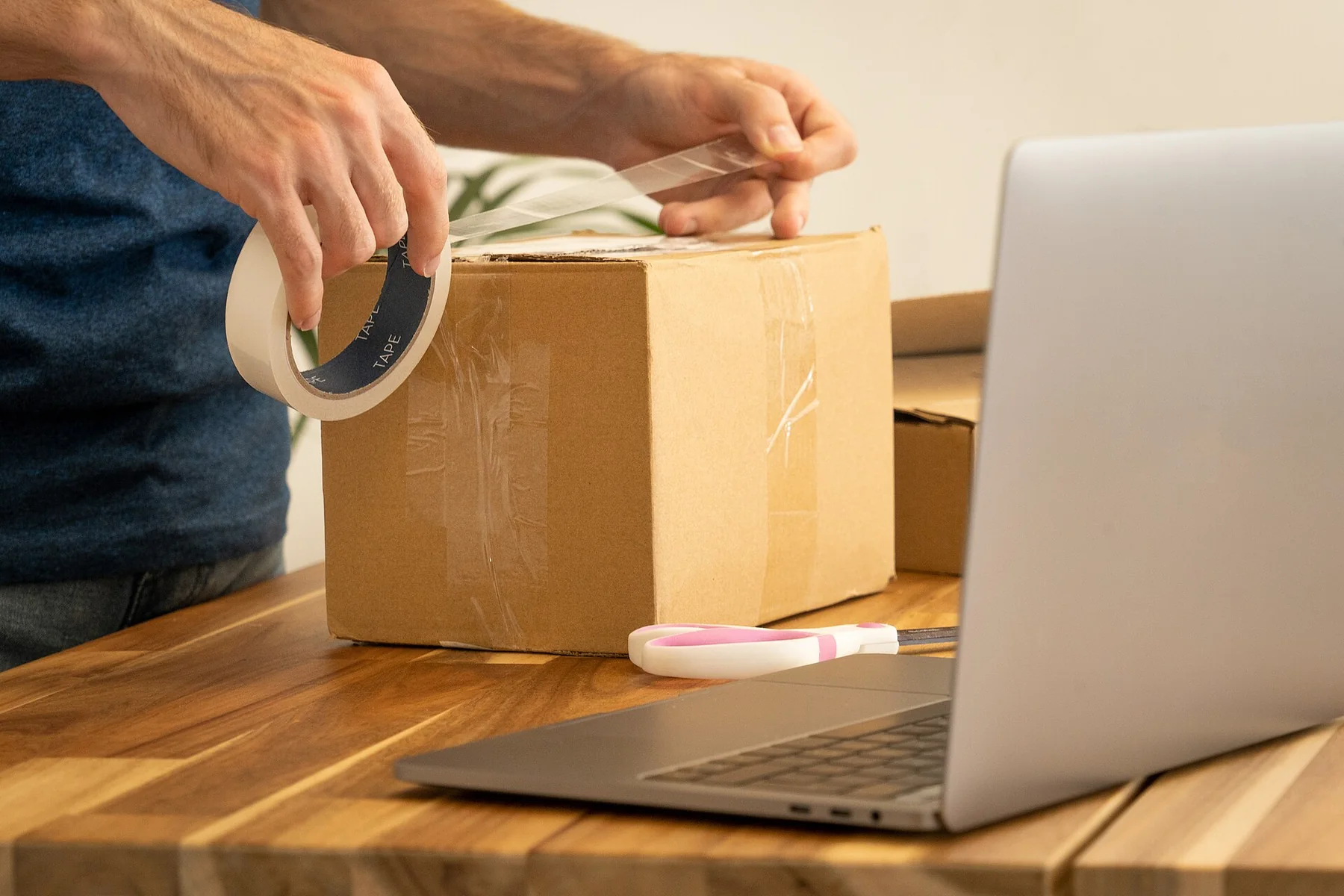
An online order can arrive in a shipping carton, a protective mailer, inner product boxes, labels, tape, and cushioning. Some material protects a fragile item; some is part of the product’s retail presentation; some may be avoidable. The package varies by seller, fulfillment method, product, and destination, so no single request will remove packaging from every shipment. A useful approach is to buy only what you need, choose an appropriate delivery option when one is offered, reuse sound packaging, and follow local recycling rules for what remains.
Prevent packaging before it arrives
Start with the purchase itself. Check whether the item is genuinely needed, whether an existing item can do the job, and whether a local shop, repair service, rental, or secondhand seller is a practical alternative. This does not mean every household must avoid online shopping; it means packaging is one part of the whole decision, alongside price, availability, accessibility, delivery distance, and the ability to find the product locally.
If you proceed with an order, look at product packaging and delivery options before checkout. Some sellers offer a consolidated delivery date, a pickup point, minimal packaging, or a choice between shipments; others do not. Where an option is available and fits your schedule, compare it with several separate deliveries. Do not assume that combining orders always reduces total environmental impact: transport routes, product protection, stock location, and delivery timing also matter. The point is to select among real options, not to claim a result that the checkout screen cannot verify.
Contact a seller only when the request can be specific. You might ask whether several items can ship together, whether packaging can be reduced without compromising product protection, or whether the seller has a take-back system for packaging. A request is not a guarantee, and a package that protects a fragile or regulated product may need more material. Avoid asking a seller to remove protective packaging if doing so could make the item unsafe, damaged, or unusable.
Understand what you received before sorting it
Unpack on a clean surface and separate the shipping carton, paper inserts, plastic film, foam, molded fiber, and any product packaging. Check for labels or documents with personal information and remove or cover them before reusing or recycling the material. Keep small parts, instructions, and product inserts that are needed to use, maintain, return, or repair the item. Packaging can be useful for a warranty return or resale, but it does not need to occupy a permanent place in the home if you do not expect to use it.
Reuse clean and undamaged boxes, mailers, bubble wrap, and paper cushioning for future shipments, storage, moving, crafts, or a local reuse group. Keep materials dry and flattened only when you are ready to store them. Set a limit on how much packaging you retain and use a first-in, first-out arrangement; saving every box indefinitely can create clutter rather than a reuse system. Do not reuse packaging that is contaminated, structurally weak, or unsuitable for the object you will ship.
Recycle by local instructions
Packaging labels and material symbols do not guarantee that a local program accepts a material. The U.S. EPA recommends checking local recycling rules and notes that plastic film and bags often require a separate collection route rather than a curbside bin. That is U.S. guidance, not a universal rule. Look at the website of the municipal collector, building manager, or retailer take-back point in your area before placing mailers, air pillows, foam, or laminated materials in a bin.
Separate clean paper and cardboard from non-paper components where your local system asks you to. Remove tape, labels, and mixed materials only as the receiving program instructs; do not spend time disassembling a package if the facility accepts it as assembled. Keep recyclables free of food, liquids, and other contamination. If a material is not accepted, ask whether a specialty drop-off exists or use the general-waste route required locally. A wishful “recycling” choice can contaminate a collection stream.
Some packaging is compostable only in specific industrial systems and should not be placed in a home compost pile or recycling bin unless local instructions explicitly accept it. Words such as “biodegradable,” “plant based,” or “compostable” do not tell you which facility can process a particular product. Check the certification and collection instructions on the package and verify them with the local operator.
Use feedback that helps sellers act
If an order repeatedly arrives with packaging that is much larger than necessary, send the seller a short note with the order number, item, and the specific material you observed. A clear request such as “Please consider whether these two non-fragile items can be packed in one right-sized shipment” is easier to review than a broad accusation. When appropriate, use the company’s packaging feedback form or customer service channel. Avoid posting a claim about a product’s environmental impact unless you can support it.
You can compare sellers on their public packaging information, but treat broad claims carefully. Ask what material the statement covers, whether it refers to the shipping container or the product package, and what collection route is available where you live. The OECD’s Global Plastics Outlook discusses packaging as a major plastics use and includes pandemic-era e-commerce changes in its analysis; those 2020 observations should not be presented as a current measurement of your own shopping or as a description of every market today.
Build a small household packaging routine
Choose one place to keep a few sound mailers and boxes, along with scissors and a reusable label cover or marker. Keep paper and film separate only if a future reuse or collection route calls for them. When a parcel arrives, decide quickly: keep a useful amount, pass clean packaging to someone who requests it, or sort it under local rules. If no route accepts an item, record that fact and raise it with the retailer or local authority rather than storing it forever.
Online shopping packaging is influenced by design, logistics, product fragility, retailer systems, and municipal collection. Households can prevent some unnecessary purchases, select among available delivery options, reuse appropriate materials, and sort the rest accurately. The most useful goal is a manageable routine that reflects the actual services in your area, not a promise that every online order can arrive without packaging.
Sources
Continue Your Zero Waste Journey
Ready to learn more? Explore our other guides and tips for sustainable living.