Zero Waste Lifestyle Tips for Pet Owners
Consider lower-waste pet-care options while keeping animal safety, product labels, and local disposal rules in view.
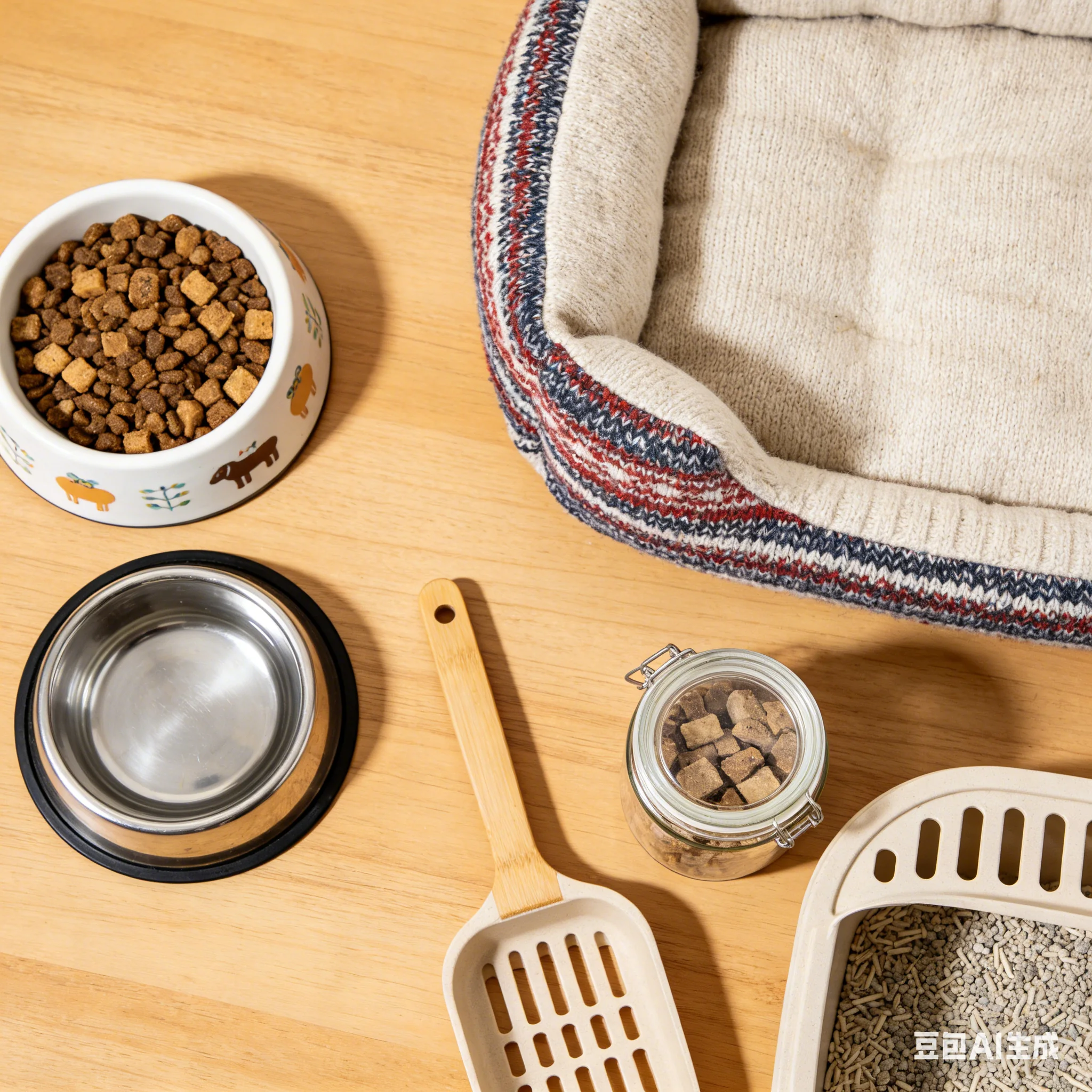
Lower-Waste Care for Pets
Pet care should put an animal's health and safety first. Lower-waste choices are useful when they fit veterinary advice, the animal's needs, and the disposal services available where you live. Do not change a pet's diet or medication to reduce packaging without talking with a veterinarian.
Food and supplies
Choose a complete, appropriate food recommended for your pet and store it according to the package instructions. Buy a size your pet can use while the food remains fresh. Ask local retailers or the manufacturer about packaging recovery, but check whether a program actually accepts the material in your area.
Do not assume homemade food is nutritionally complete. If a veterinarian recommends a home-prepared diet, ask for a recipe formulated for that animal and follow it carefully. Treats should be appropriate for the species and size; avoid foods known to be unsafe for your pet.
Toys, bedding, and equipment
Use durable items that are the right size and safe for your animal. Inspect toys and bedding regularly; discard or repair damaged items when loose parts, fraying, or swallowed material could create a hazard. Reuse a blanket or towel if it is clean and suitable. Secondhand items can be useful if they can be cleaned and are in safe condition.
Avoid improvised toys that have strings, small detachable parts, handles, or materials your pet may chew and swallow. A cardboard box may entertain some cats, but supervise play and remove it if it becomes damaged or unsafe.
Pet waste and litter
Pick up dog waste and dispose of it according to local rules. “Compostable” on a bag does not mean it can go in a home compost pile or a municipal food-scrap cart. Check whether a local facility explicitly accepts pet waste and the specific bag. EPA home-compost guidance lists pet waste and cat litter among materials to keep out of a typical home pile; see the EPA's home composting advice.
Do not use dog or cat waste compost on edible gardens. Avoid installing a pet-waste digester unless local authorities confirm it is suitable for your soil and groundwater conditions.
For cat litter, choose a product your cat will use and that is compatible with your household and local disposal rules. Do not flush litter unless the product and local wastewater authority explicitly allow it. Keep litter and waste away from children and follow hygiene guidance.
Grooming and cleaning
Use grooming products intended for your animal and follow the label or veterinary advice. Do not use human shampoo, vinegar, baking soda, essential oils, or homemade ear-cleaning mixtures on a pet unless a veterinarian recommends them; animals can react differently from people.
For accidents, remove waste promptly and use a cleaner labeled for the surface and situation. Keep pets away while cleaning products are being used, and follow label directions about ventilation and drying.
Make one practical change
Use supplies fully, repair safe items, and look for local recycling or take-back options before discarding packaging. The best change is one that keeps your pet comfortable and safe while reducing purchases or waste in a way your household can maintain.
Continue Your Zero Waste Journey
Ready to learn more? Explore our other guides and tips for sustainable living.