Zero Waste Lifestyle Tips to Reduce Plastic Use
Ways to reduce avoidable plastic use while considering product needs, local collection rules, and reuse.
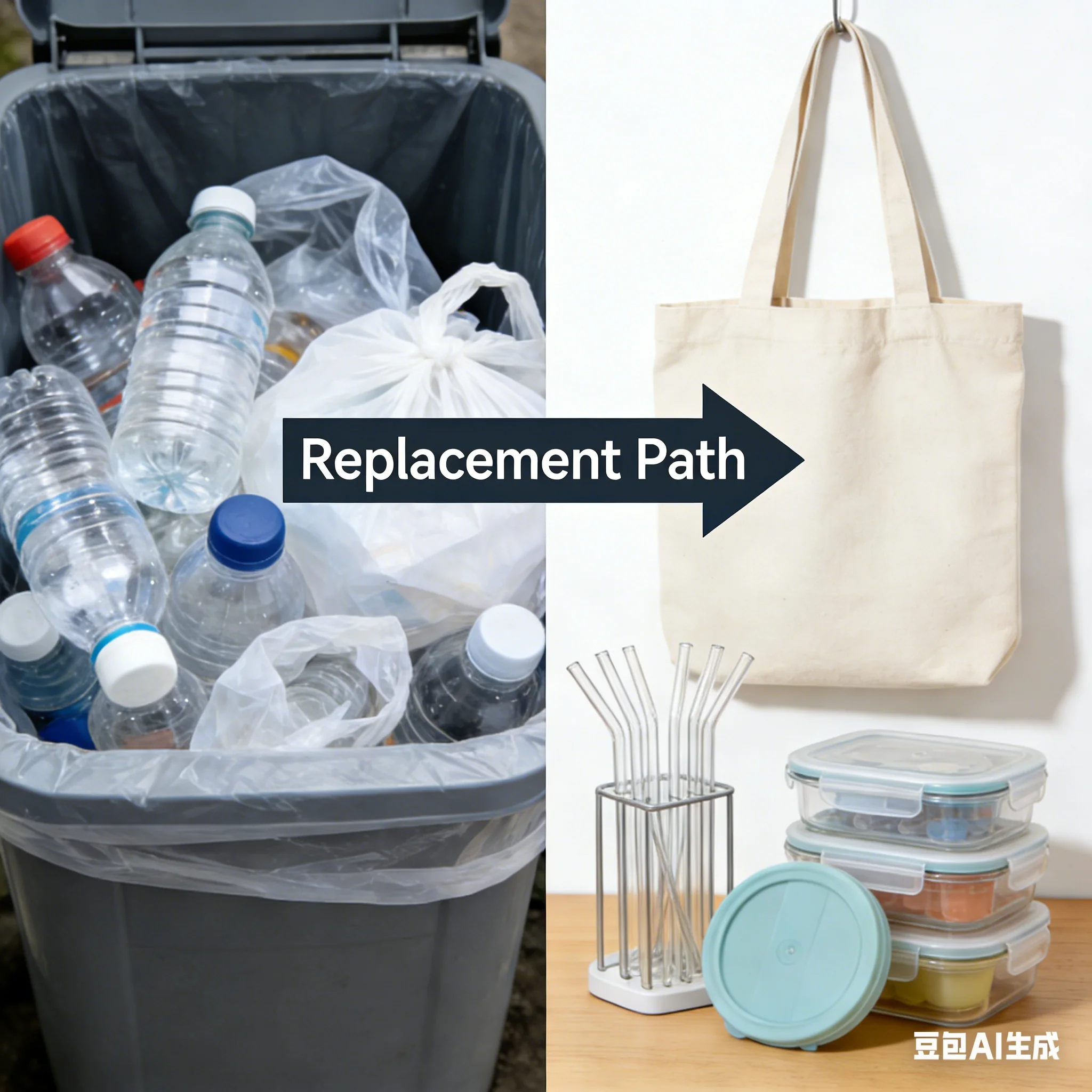
Plastic can persist in the environment, but breakdown time varies by material and conditions. The EPA describes impacts of plastic pollution. Reducing unnecessary single-use items is one practical option; no household swap removes every source of plastic or has the same impact for everyone.
1. Start with Plastic Items You Do Not Need
Avoiding an unnecessary single-use item can reduce the amount of plastic you bring home, when the choice is practical and the alternative works for you. A personal choice does not by itself demonstrate what businesses or other customers demand. Consider these options as experiments rather than requirements:
- Request only what you need: When ordering, ask whether a straw, utensil, or condiment packet is optional. Policies and available alternatives vary, and accessibility or hygiene needs may make a disposable item the right choice.
- Use a bag you already own: Keep a clean reusable bag where you are likely to remember it, if carrying one fits your routine. For a small purchase, you can decline a bag when that is convenient.
- Review unwanted mail: Use the sender's opt-out method where available, and follow local rules for recycling paper and plastic film. Do not assume every mailing or wrapper has the same disposal route.
- Skip items you do not need: At events, take promotional goods only if you expect to use them. Reuse or pass along items you already have when they are still useful.
2. Review Plastic Used for Food and Storage
Food packaging and storage can be sources of plastic in some households. Review what you actually use before changing your kitchen routine:
Compare Package and Bulk Options
Bulk bins are not available everywhere, and the goods, packaging, prices, hygiene rules, and customer-container policies differ by store. If you use a bulk section, ask staff how to record a container's tare weight and follow its handling rules. Compare the amount you can use with packaged alternatives; buying in bulk does not eliminate packaging or guarantee a lower price.
Replace Plastic Storage with Reusable Alternatives
Swap plastic zip-top bags, plastic wrap, and disposable containers for sustainable options:
- Reusable covers and lids: A lid or cover you already own may suit some foods. Follow the product's temperature, cleaning, and food-contact instructions; do not assume that a reusable material is suitable for every food or disposal system.
- Reusable containers: Use a clean container suited to the food and intended storage or heating method. Glass and stainless steel can be reused, but they still have care, breakage, and end-of-life considerations; check local recycling rules.
- Cloth snack bags: For packing snacks like nuts, fruit, or cookies, use washable cotton or mesh snack bags instead of plastic bags.
Review Kitchen Tools Before Replacing Them
Keep using sound tools that are suitable for food contact and safe for their intended use. Replace an item only when needed, and compare alternatives based on care, durability, and disposal:
- Utensils and boards: Keep using sound tools you already have. If replacing one, compare fit, cleaning requirements, expected life, and end-of-life options; wood or bamboo does not automatically mean an item is compostable.
- Colanders and mixing bowls: Choose food-contact products that are easy to clean and suitable for your intended use. Scratches, wear, and care instructions vary by material and product; follow the manufacturer's guidance.
3. Personal Care & Bathroom: Cut Plastic from Your Beauty Routine
Personal-care products may include plastic packaging or disposable components. If you want to reduce some of them, compare these options when a replacement is needed:
Compare Solid and Liquid Products
Shampoo, conditioner, body wash, and soap come in different formulas and packages. A solid bar may suit some routines, but ingredients, lifespan, packaging, and disposal vary by product:
- Solid shampoo and conditioner bars: Compare the formula, care, and packaging with the product you already use. Do not assume a bar is suitable for every person or lasts longer.
- Solid soap bars: Look for bars wrapped in paper or sold without packaging, and store them in a soap dish with drainage to extend their life.
- Personal-care packaging: If you need a replacement, compare a refill or lower-packaging option whose ingredients work for you. Check the product and local disposal instructions before assuming its packaging is compostable.
Ditch Disposable Plastic Personal Care Items
If a replacement is needed, compare reusable options with the item you use now:
- Razors: A reusable handle may reduce replacement packaging for someone who is comfortable using it. Blades still need safe handling and may require a designated collection route; check local rules before disposal.
- Reusable cotton rounds and swabs: Washable pads may replace some disposable pads if they suit your skin and laundry routine. Follow product care instructions and do not substitute a tool that is unsuitable for its intended use.
- Oral-care items: Keep using dental products that meet your oral-care needs. Compare packaging when replacing them, and follow your dentist's advice and product instructions; a bamboo handle or alternative floss does not by itself establish a suitable disposal route.
4. On-the-Go Plastic Reduction
When commuting, traveling, or buying a meal, consider options that fit your needs and local rules:
- Carry a bottle if it fits your routine: A clean bottle you already own can replace some disposable drink containers when refill water is available and safe to drink. It does not eliminate every packaged drink purchase.
- Carry utensils if useful: Keep clean reusable utensils in a place you will remember them if carrying and washing them is practical. Straws may be needed for accessibility; choose one that meets your needs.
- Ask about reusable cups: Cafe policies and discounts vary. Check whether the business accepts a personal cup and follow its hygiene instructions.
- Check takeout options: Ask what packaging is available and whether the restaurant accepts customer containers. Do not place a package in recycling or compost unless the local service accepts that specific material.
5. Reduce Hidden Plastic in Your Home
Plastic also appears in less obvious products and packaging. Review the items you use most and look for practical ways to extend their life or avoid an unnecessary replacement:
Cleaning Products
If suitable in your area, choose a refill option or use a washable cloth for routine cleaning. Use cleaning products according to their labels. The EPA notes that homemade cleaners typically do not perform as well as formulated products, and “natural” does not mean safe for every use. Check with the manufacturer and local compost service before assuming detergent packaging is compostable.
Laundry and Textiles
If you want to reduce laundry packaging, compare available detergent refills and follow garment and appliance instructions. Dryer balls may suit some loads, but their effect on drying time and static varies. Do not add vinegar or other household substances to an appliance unless its manufacturer says they are suitable.
Toys and Household Items
When buying toys, kitchen gadgets, or household items, choose products made from sustainable materials like wood, bamboo, or stainless steel instead of plastic. For kids’ toys, look for secondhand options or brands that use recycled plastic and offer take-back programs for old toys.
6. What to Do with Existing Plastic: Extend Its Lifespan
If you already have plastic items in your home, don’t throw them away—extend their life as much as possible. Reuse plastic containers for storage, turn plastic bottles into planters, or donate clean plastic items to thrift stores or community organizations. When your plastic items are no longer usable, check your local recycling guidelines to see if they can be recycled. Remember, recycling should be a last resort, not a substitute for reducing and reusing.
Final Thoughts: Progress Over Perfection
Reducing avoidable plastic can be one part of a lower-waste routine, but a household cannot remove every use and not every reusable product is the right choice. Start with an item you already use often, consider whether an alternative fits your needs, and keep using a sound product until replacement makes sense. Follow local instructions for recycling, film collection, and composting; the EPA's recycling guidance explains that accepted materials depend on local programs.
Be cautious with broad environmental claims on products. The FTC's Green Guides summary says broad claims such as “eco-friendly” are difficult to substantiate and should be qualified with specific benefits. A label such as “biodegradable,” “compostable,” or “recyclable” does not tell you by itself whether an item will be accepted or processed in your local system.
Continue Your Zero Waste Journey
Ready to learn more? Explore our other guides and tips for sustainable living.