Zero Waste Lifestyle Tips to Save Money
Explore lower-waste habits on a budget, with practical ways to compare costs and use what you already own.
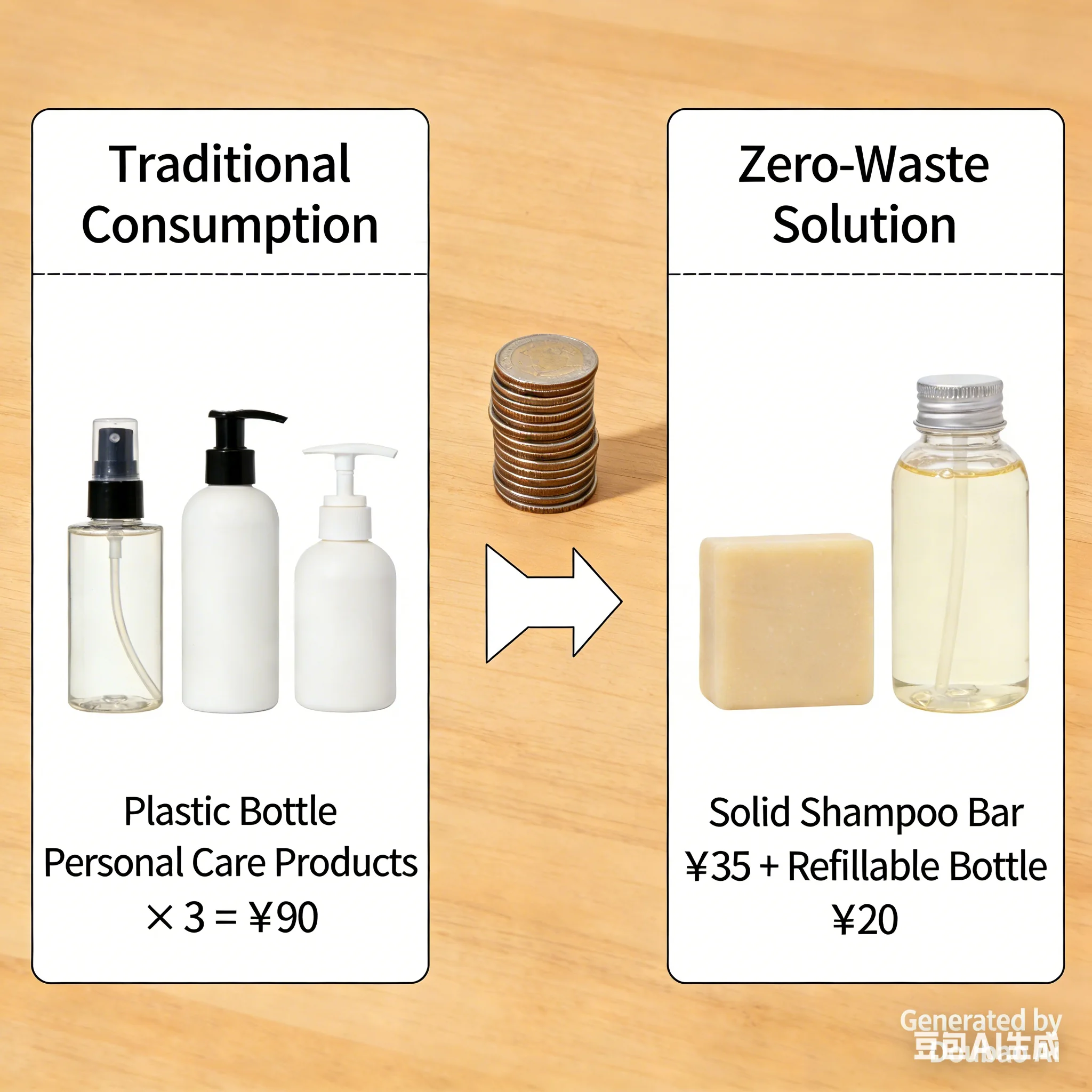
Zero Waste Habits That Can Help You Spend Less
Low-waste choices can reduce some household costs, but there is no universal savings figure. Prices, access to bulk or refill shops, household size, transport, and the products you already own all matter. A reusable item also costs money upfront and only pays off if you use it enough.
Start with the spending you can see
For a month, note repeat purchases that create waste: takeaway drinks, food thrown away, duplicate household products, or items replaced before they wear out. Choose one category and compare your current spending with a realistic alternative. Do not buy a reusable product solely because a calculator promises a return.
For example, compare your actual weekly drink purchases with the cost of a cup you would carry and wash. Include the cost of the drink itself separately from any disposable packaging charge. If bringing a cup does not suit your routine, choose another category.
Prevent food waste first
Check what is already at home before shopping, plan meals around ingredients that need using, and buy amounts that fit your schedule. Freeze extra portions when safe and practical. Composting can divert scraps, but it does not recover the money spent on food.
The EPA's 2025 report, Estimating the Cost of Food Waste to American Consumers, estimates that U.S. consumers lose about $728 per person per year to uneaten food, using 2023 data and the report's methods. This is a national estimate, not a promise that any household can save that amount. The report's estimate for a four-person household is about $2,913 per year. Your own avoidable cost depends on what you buy and actually discard.
Buy less, maintain, borrow, and repair
- Use up products before replacing them with a lower-packaging alternative.
- Borrow or rent tools used only occasionally.
- Repair clothing, appliances, and household goods when the repair is safe and economical.
- Buy secondhand when the item is suitable and in usable condition.
- Choose durable products based on expected use, care requirements, and repairability—not just the word “sustainable.”
Compare unit prices honestly
Bulk items are not always cheaper. Compare price per usable unit, include travel and storage costs, and buy only an amount you can use. A larger package can increase waste if food spoils or a product is not right for you.
For a simple comparison, write down:
- The price of the item or refill.
- How many uses or servings it provides in your household.
- Any extra equipment, transport, or cleaning costs.
- Whether you already own a usable alternative.
The lower-cost option is the one that works over time for your situation. Low-waste living can include spending nothing at all: using what you own, avoiding impulse purchases, and making purchases only when you have a real need.
Continue Your Zero Waste Journey
Ready to learn more? Explore our other guides and tips for sustainable living.