Zero Waste Lifestyle Tips for Urban Dwellers
Adapt lower-waste routines to shared buildings, limited storage, and services available in your area.
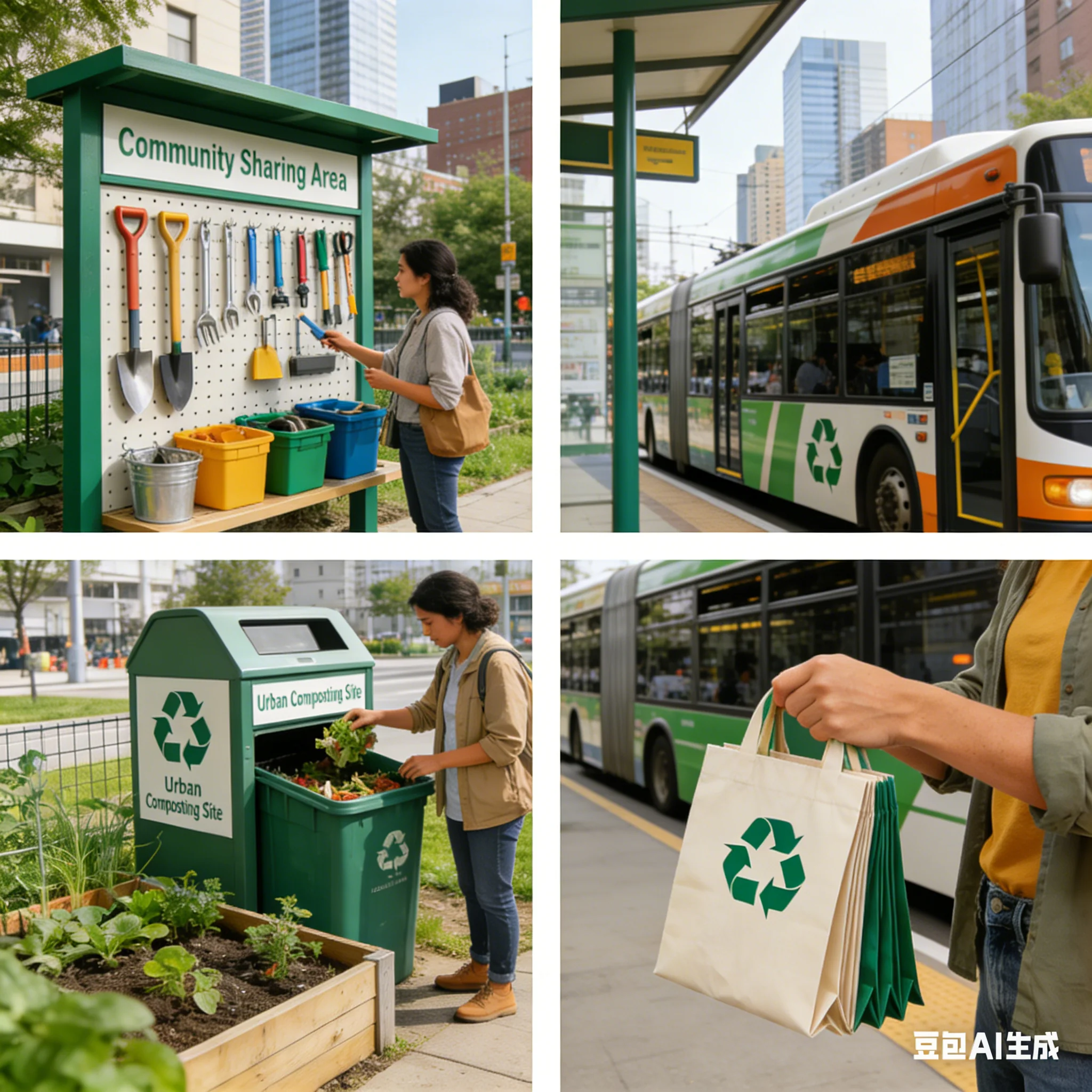
Zero Waste in the City: A Practical Guide for Apartment & Condo Dwellers
Urban homes differ in space, transport, building rules, and local waste services. You can make practical low-waste choices without a backyard or a car, but available options vary by neighborhood. This guide focuses on routines apartment and condo dwellers can adapt to their own building and city.
The Urban Zero Waste Mindset: Constraints as Creativity
The first step is to work with the options near you. If walking, cycling, or public transit is practical, it may reduce some car trips; if not, choose changes that suit your circumstances. Limited cabinet space can be a reason to keep a smaller set of reusable items.
1. Master the Mini-Kitchen: Food & Shopping in Small Spaces
In a small urban kitchen, strategy is useful: check what you have before shopping, keep food that needs using visible, and buy amounts you can store and finish.
- Embrace the "Urban Pantry": Prioritize versatile, shelf-stable bulk staples that don't require refrigeration: lentils, oats, pasta, and spices. Store them in uniform, stackable glass jars to maximize vertical space and create a visual, waste-free pantry.
- Choose a shopping rhythm that works: Shop as often as your schedule and transport allow. More frequent trips are not automatically lower-waste; plan quantities that fit your storage and use.
- Look for refills if available: Check whether a nearby store accepts your containers and what it refills. A refill can reduce packaging for that purchase, but availability, price, and accepted containers vary.
- Become a Freezer Wizard: Your freezer is your best friend. Freeze leftover vegetable scraps for stock, overripe bananas for smoothies, and bread ends for breadcrumbs. Use stackable silicone bags or containers to save space.
2. Conquer the Takeout & Dining-Out Dilemma
Urban life is synonymous with restaurant culture and busy schedules. You don't have to give it up.
- Carry only what you use: A bag or bottle you already own may be enough. Add a cup, utensils, or container only if you use them regularly and can carry and clean them.
- Choose reusable service when available: Eating in may avoid some takeout packaging when the venue serves food in reusable dishes. For delivery, use the ordering option to skip utensils if available and decline items you do not need.
- Ask businesses about their system: Discounts, reusable takeout programs, and compostable packaging are not universal. Confirm how a package is collected before assuming it will be composted.
3. Space-Smart Waste Systems: Composting & Recycling
In an apartment, choose waste systems that fit your actual space, building rules, and local services.
- Apartment Composting Solutions:
- Bokashi: This method ferments food scraps, but the fermented material still needs further treatment and a suitable place to finish. Check the product and local program instructions.
- Countertop food-scrap devices: Some grind or dehydrate scraps, but this is preprocessing, not finished compost. The EPA explains that their output needs further treatment.
- Community drop-off: Check whether a nearby program exists, its hours, and which materials it accepts. You can freeze scraps if the program permits and that storage works for you.
- Follow the building and city rules: Shared-bin requirements vary. Use the accepted-material list from your property manager or local hauler, and prepare items as instructed; do not assume every plastic or paper item is accepted.
4. Energy, Water & Cleaning in a Rental
You may not own your walls, but you control your consumption.
- Keep cleaning simple and suitable: Use a small number of products labeled for the surfaces and tasks in your home. “Natural” mixtures are not automatically effective or safe for every use; the EPA notes that homemade cleaners typically do not perform as well as formulated products. Never mix cleaners.
- Reduce standby use where practical: A switched power strip can turn off compatible electronics when they are not needed; check device instructions before disconnecting equipment. If you replace a bulb, choose one compatible with the fixture and follow the landlord's rules.
- Water Wisdom: Check with your landlord or building manager before changing fixtures. If you can install an aerator or efficient showerhead, compare its fit and maintenance needs; bill savings depend on local rates and water use.
5. Leverage the Urban Ecosystem: Share, Borrow, Repair
The city's greatest resource is its people. Tap into the sharing economy.
- Tool Libraries and Sharing Groups: Check whether a library, community center, building, or neighborhood group lends occasional-use tools. Confirm current availability, condition, and borrowing rules before relying on a listing.
- Repair Cafés & Tailors: Extend the life of your belongings. Find a local repair café for fixing electronics or small appliances. Build a relationship with a tailor and a cobbler to mend clothing and shoes.
- Local exchange groups: Community reuse groups may help pass along usable items. Check current participation rules and arrange exchanges safely.
6. Community & Advocacy: Amplify Your Impact
Individual action is powerful, but collective action changes systems.
- Join or Start a Zero Waste Meetup: Find your tribe. Sharing tips and challenges with neighbors makes the journey easier and more fun.
- Advocate in Your Building: Petition your building management for improved recycling, a community compost bin, or a package-free delivery station. There is power in numbers.
- Support Policy: Vote with your ballot and your wallet for local policies that promote city-wide composting, plastic bag bans, and investment in public transit and cycling infrastructure.
The Urban Advantage
Living zero waste in the city is an exercise in creative, community-oriented problem-solving. It connects you more deeply to your neighborhood, your local economy, and your neighbors. You learn to live lightly and efficiently, valuing experiences and connections over possessions. Start by mastering one system—perhaps your on-the-go kit or finding a compost solution—and build from there. The concrete jungle, with a little effort, can become a lush landscape of sustainable living.
Continue Your Zero Waste Journey
Ready to learn more? Explore our other guides and tips for sustainable living.