Backyard and Garden Zero Waste: Creating Productive Eco-Friendly Outdoor Spaces
Transform your backyard into a sustainable garden with composting, native plants, and eco-friendly landscaping practices.
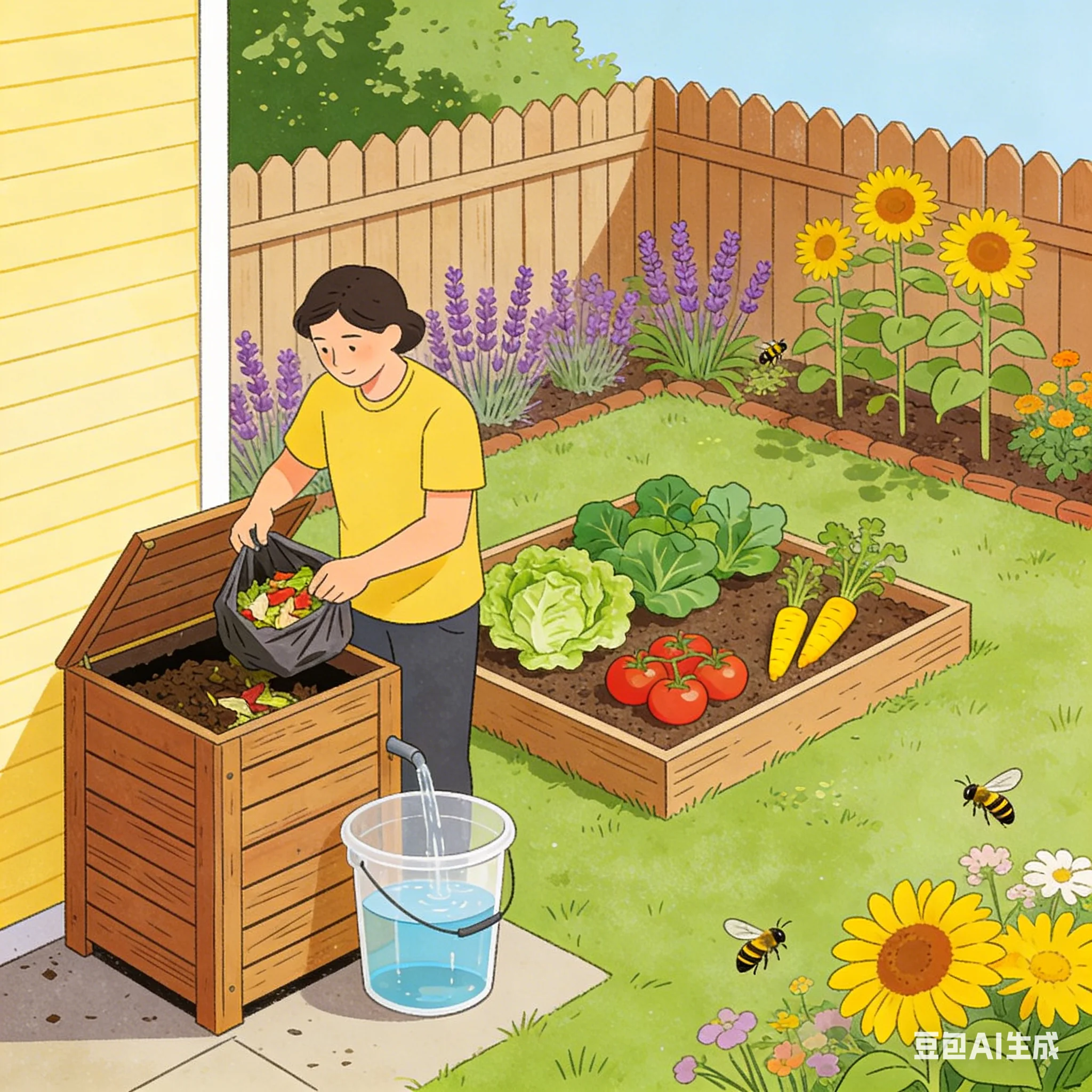
Backyard and Garden Zero Waste: Creating Productive Eco-Friendly Outdoor Spaces
Gardens can reuse some yard materials and grow food or ornamental plants, depending on local conditions. Composting requires a suitable method, and native plants may support regional wildlife when chosen and maintained appropriately. This guide covers practical options without assuming a garden will eliminate household waste or food purchases.
Understanding Your Outdoor Space
Effective sustainable gardening begins with understanding your specific conditions:
Site Assessment
Sun Exposure: Observe your space through the day and compare the light with the growing instructions for the plants you want. Sun requirements vary by species, variety, season, and climate.
Soil Quality: If soil conditions matter to your plans, use a reputable local soil-testing service or extension program and follow its sampling and interpretation instructions. Home tests vary in scope and precision.
Water Patterns: Observe how water moves through your space after rain. Identify low spots that collect water, slopes that erode, and areas that stay dry. Working with natural water patterns reduces irrigation needs.
Existing Features: Document mature trees, shrubs, structures, and slopes. These features influence microclimates, provide resources, and should inform design decisions.
Microclimate Considerations
Frost Pockets: Cold air settles in low areas, creating frost pockets that can damage sensitive plants. Identify these areas and plant accordingly or use frost protection methods.
Wind Patterns: Summer breezes and winter winds affect plant selection and placement. Windbreaks reduce plant stress and evaporation while protecting fragile species.
Heat Islands: Patios, walls, and paved areas absorb and radiate heat, creating warmer microclimates. Heat-loving plants thrive here while sensitive plants may struggle.
Composting Systems
Composting transforms organic waste into valuable soil amendment:
Choosing Your System
Tumbler Composting: A tumbler can make turning material easier in some home setups. Decomposition time and pest control depend on what goes in, moisture, temperature, and how the system is used.
Traditional Bins: Open bins or wire enclosures can suit larger yards. Home systems often have limits on meat, dairy, and other materials, so follow local guidance on accepted feedstocks.
Vermicomposting: Worm bins can be used indoors or in sheltered outdoor spaces when kept within suitable conditions. Follow the system's guidance for feed, moisture, temperature, and use of finished castings.
Bokashi Fermentation: Sealed bokashi systems ferment scraps, including some materials that are not usually added to a home pile. The fermented material still needs further treatment; follow the system's instructions and local rules.
Optimizing Compost
Carbon-Nitrogen Balance: Green materials like grass clippings and food scraps provide nitrogen. Brown materials like dried leaves and untreated cardboard provide carbon. The EPA describes roughly three parts browns to one part greens by volume as a general starting point; adjust the mix if the pile is too wet, dry, or compact.
Particle Size: Smaller particles decompose faster. Shred or chop materials before adding to compost. Avoid excessively fine materials that can compact and become anaerobic.
Moisture Management: Compost should feel like a wrung-out sponge. Too dry slows decomposition; too wet creates odors and attracts pests. Turn regularly to maintain aeration and moisture balance.
Temperature Monitoring: Hot composting can reach temperatures that reduce some pathogens and weed seeds only when the required conditions and duration are maintained. A home pile may not heat evenly or reliably; do not assume it has been sanitized. Follow local extension or compost-program guidance. The EPA explains the temperature and process controls involved.
Sustainable Garden Design
Design choices affect long-term sustainability:
Food Production
Perennial Food Plants: Where climate and space allow, perennial vegetables, fruits, or herbs can return in later seasons. Examples include asparagus, rhubarb, berries, some fruit trees, and some herbs. Establishment, care, and yields vary by plant and site.
Succession Planting: If suitable to your climate and growing season, stagger planting dates so crops mature at different times. Results depend on crop, weather, space, and care.
Vertical Growing: Trellises or other supports can suit some vining plants, including pole beans and some cucumbers or squash varieties. Check the plant's support and spacing needs; vertical growing does not guarantee a higher yield.
Polyculture Design: Some gardeners grow different species together. The traditional Three Sisters method combines corn, beans, and squash; local growing conditions and varieties affect how well the combination works.
Native and Low-Water Plants
Native Species: Plants native to your region may suit local conditions and support some wildlife. Water and maintenance needs still depend on species, soil, weather, and establishment care; check regional guidance before planting.
Xeriscaping Principles: Design gardens to minimize irrigation needs through appropriate plant selection, soil improvement, and efficient watering practices. Mulch heavily to retain soil moisture.
Drought-Tolerant Collections: Group plants with similar water needs to avoid overwatering drought-tolerant species or underwatering moisture-lovers.
Reducing Garden Waste
Garden maintenance generates potential resources:
Yard Waste Management
Leave the Leaves: Rather than removing fallen leaves, mow them into lawn to return nutrients to soil. Excess leaves make excellent mulch or compost feedstock.
Grasscycling: If local rules and lawn conditions allow, leave suitable grass clippings on the lawn rather than collecting them. Avoid leaving clippings where they could block drains or create other problems.
Chip and Drop: If you have access to suitable equipment and local rules allow, small branches may be chipped for paths or mulch. Otherwise, use local yard-waste guidance; do not burn material where it is unsafe or prohibited.
Food Waste Integration
Kitchen Scrap Gardening: Some herbs or vegetable parts may regrow under suitable conditions, but results vary by plant and setup. Treat this as a small gardening experiment, not a reliable replacement for grocery produce.
Follow the Rules for Each Compost System: A home compost bin does not accept every organic material. Check accepted feedstocks before adding food scraps or other materials. The EPA's composting guidance describes common home and community methods and their limits.
Animal Integration: If you keep animals, follow local animal-care, feed, manure, and compost rules. Keep dog and cat waste out of ordinary home compost and away from edible gardens; see the EPA's home composting guidance.
Water Conservation
Outdoor water use can be substantial in some climates and seasons, but household patterns vary:
Efficient Irrigation
Drip Irrigation: A properly designed and maintained drip system can direct water near plant roots. Check for leaks and adjust watering to the plant, soil, and weather; a timer alone does not prevent overwatering.
Rain Barrels: Capture roof runoff in barrels for garden use. Position barrels under downspouts and use collected water during dry periods.
Mulch Management: Mulch can help moderate soil moisture and temperature. Choose a material that suits the plants and site, and follow local guidance on depth and clearance around stems and tree trunks.
Rain Gardening
Bioswales: Properly designed vegetated channels can slow and filter some runoff. Suitability depends on soil, slope, drainage, and local stormwater rules.
Rain Gardens: A properly designed rain garden can collect and infiltrate runoff from nearby hard surfaces. Check soil, drainage, and local guidance before directing roof or paved-area water toward a planted area.
Permeable Surfaces: Replace impervious patios and walkways with permeable materials that allow water infiltration.
Natural Pest Management
Reduce or eliminate synthetic pesticides:
Biological Controls
Beneficial Insects: Habitat for beneficial insects can support a more diverse garden, but outcomes depend on local species and conditions. Identify the pest before choosing a response, and avoid introducing purchased insects without checking local ecological guidance.
Bird Habitat: Native plants and safe water sources can support local wildlife. Choose plants for your region and prevent hazards such as window collisions, outdoor cats, and contaminated water.
Bat Houses: Bat boxes may provide roosting habitat when installed and maintained for suitable local species. Do not promise mosquito control; consult a local wildlife organization about design, placement, and disease precautions.
Physical and Cultural Controls
Row Covers: Lightweight fabric covers protect plants from insects without chemicals. Remove covers when plants require pollination.
Hand Removal: Inspect plants and remove pests when practical. Identify the species first; disposal methods vary, and broad pest-control advice can harm beneficial insects.
Crop Rotation: Move plant families to different locations annually to disrupt pest cycles and prevent soil depletion.
Creating Wildlife Habitat
Sustainable gardens support local ecosystems:
Plant Diversity
Bloom Sequence: Select plants that bloom throughout the season, providing continuous food for pollinators. Early spring bulbs, summer wildflowers, and late-season asters support pollinators year-round.
Native Focus: Plants native to your region can provide food or habitat for some local species, depending on the plant, site, and wildlife present. Ask a local extension service or native-plant organization which species fit your area.
Layered Vegetation: Create layers from ground covers through shrubs to canopy trees. This structural diversity supports more wildlife species.
Wildlife Features
Water Sources: Birdbaths, small ponds, and dripping features provide drinking and bathing water. Clean regularly to prevent disease transmission.
Shelter Elements: Brush piles, rock piles, and standing dead vegetation provide shelter for beneficial creatures. These elements require minimal effort while supporting wildlife.
Nesting Sites: Bird or bat boxes may support some local cavity-nesting species when designed and placed appropriately. Check regional wildlife guidance before installing them.
Backyard and garden zero waste practices transform outdoor spaces from consumer liabilities into productive assets. Food production, wildlife habitat, and environmental services replace maintenance burdens and wasteful practices.
Continue Your Zero Waste Journey
Ready to learn more? Explore our other guides and tips for sustainable living.