How to Start Zero Waste Living for Beginners
New to sustainability? This comprehensive guide walks you through the first steps of your zero waste journey with practical, achievable tips.
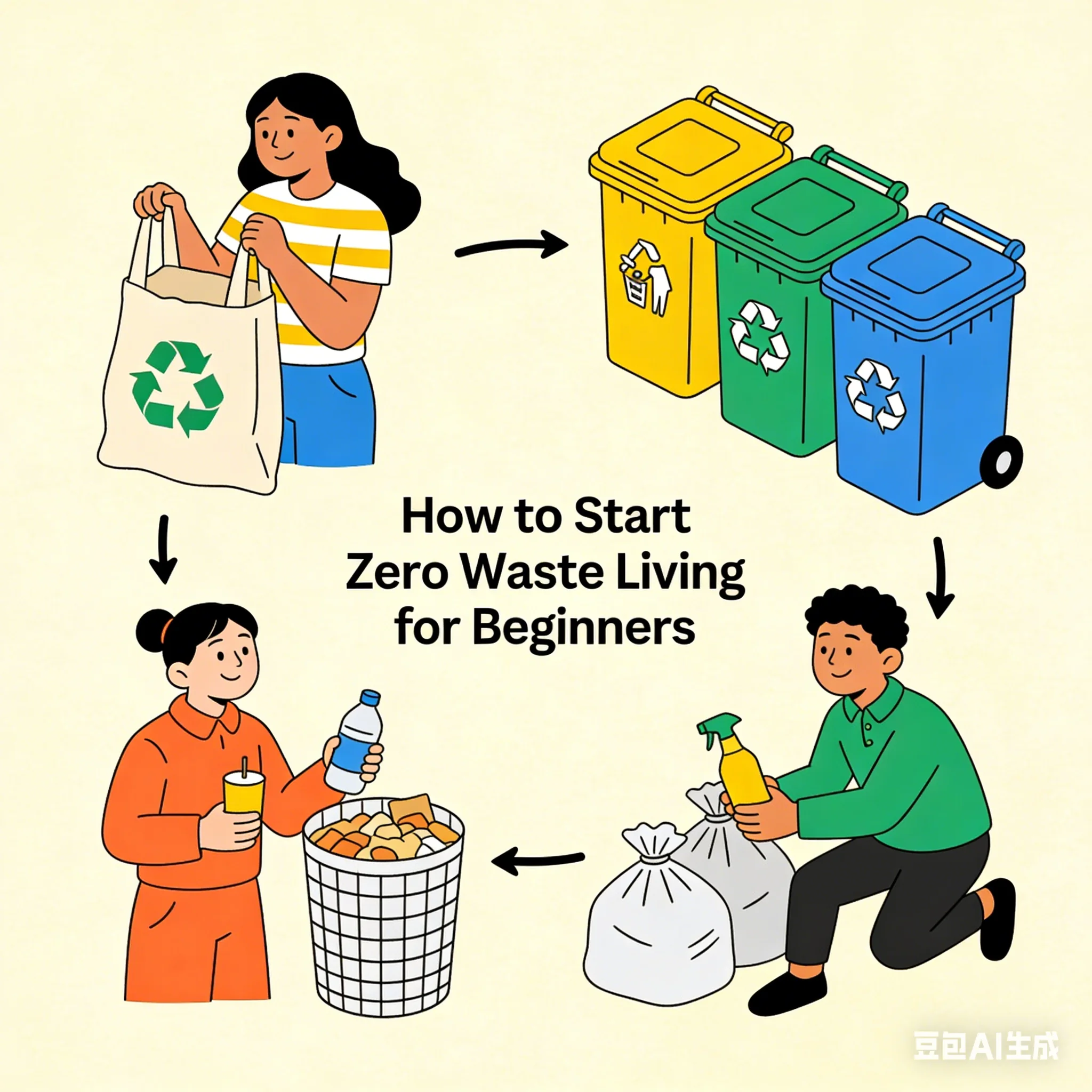
If you’ve been feeling overwhelmed by the amount of waste we produce daily and want to make a meaningful change, zero waste living is a fantastic place to start. Contrary to what some might think, zero waste isn’t about being perfect or producing no trash at all—it’s about reducing unnecessary waste, rethinking consumption habits, and embracing sustainability in a way that works for your lifestyle. This guide is designed specifically for beginners, breaking down the journey into simple, actionable steps that you can start implementing today.
What Is Zero Waste Living, Exactly?
Zero waste is a goal of preventing avoidable waste, not a promise that a household can send nothing to disposal. A useful framework is the 5Rs: Refuse, Reduce, Reuse, Recycle, Rot. It prioritizes avoiding unnecessary purchases and extending use before choosing a disposal route. For beginners, this can mean asking: “Do I need this?” “Can I use something I already own?” and “What options are available when I am finished with it?”
The goal is to find manageable changes over time. Results vary with household needs and local services; begin with a recurring item that is easy for you to avoid or reuse.
The 5Rs: Your Zero Waste Foundation
Before diving into specific tips, let’s master the 5Rs—they’ll be your roadmap for every zero waste decision:
- Refuse: Decline items you do not need when practical, such as an extra bag, utensil, or promotional item. What is avoidable depends on the situation.
- Reduce: Cut back on unnecessary purchases. Audit your home to see what you already have, avoid impulse buys, and compare packaging when you shop. Bulk products are not always available, cheaper, or lower-waste.
- Reuse: Find new purposes for items instead of throwing them away. Use glass jars for storage, old t-shirts as cleaning rags, and reusable bags for shopping. Invest in high-quality, long-lasting products that can be used repeatedly.
- Recycle: When you can’t refuse, reduce, or reuse, follow your local recycling rules. Materials accepted and preparation requirements differ by program.
- Rot: Compost only through a system that accepts the material. Home piles, worm bins, bokashi, and municipal programs have different requirements; bokashi-fermented scraps still need further treatment. Check local instructions before collecting food waste. The EPA's composting overview describes these options.
Beginner-Friendly Zero Waste Tips (Start Small!)
To make a change manageable, pick one or two options to focus on first, then review whether they work for you. These are practical areas to consider:
1. Ditch Single-Use Plastics (The Big Ones)
Plastic pollution can persist and fragment in the environment, but materials and conditions vary. The EPA summarizes these impacts. For household choices, begin with the plastic items you actually use and discard:
- Reusable Water Bottle: Use a bottle you already own if you have a safe and convenient place to refill it. Keep it accessible when that suits your routine.
- A Bag You Already Own: Carry a reusable bag when it fits your routine. Store policies and bag fees vary; decline a disposable bag only when you do not need it.
- Reusable Food Storage: Use a container or lid you already own where it suits the food. Beeswax wraps, silicone bags, and glass containers have different cleaning and temperature limits; follow product instructions and do not assume a material is suitable for every use.
- Utensils & Straws: Carry reusable utensils only when they are convenient to transport and clean. Straws can be important for accessibility; use the kind that meets your needs and follow product-care instructions.
2. Simplify Your Kitchen (A Zero Waste Hotspot)
Food, packaging, and disposable items may be part of your household waste. Start with what you actually discard, then choose a change that suits your kitchen:
- Compare Bulk Options: Some stores have bulk bins for dry goods. Ask about container rules, compare prices, and buy only an amount you can store and use; bulk does not eliminate all packaging or waste.
- Check Compost Options: Find a local food-scrap program or a home system that fits your space and the materials it accepts. Bokashi fermentation is not the final composting stage.
- Reduce Cleaning Packaging: Use a washable cloth for suitable tasks or choose a refill product where available. Use cleaners according to their labels; “natural” mixtures are not automatically safe or effective. The EPA notes that homemade cleaners typically do not perform as well as formulated products. Never mix cleaning products.
- Compare Food Packaging: Choose loose produce when practical, but packaging and access vary. Avoid buying more food than you can store and use.
3. Revamp Your Bathroom Routine
Bathroom products are another source of hidden waste—think plastic shampoo bottles, disposable razors, and cotton pads. Try these swaps:
- Solid Hygiene Products: If a bar product works for you, compare its ingredients, packaging, care, and price with what you already use. Performance and lifespan vary by product and household.
- Personal-Care Accessories: If washable pads or cloths suit your skin and laundry routine, follow their cleaning instructions. Keep any disposable or medical product that better meets your needs; do not substitute a tool that is unsuitable for its intended use.
- Refillable Containers: If a local shop offers a suitable refill and accepts your container, compare the amount of packaging with the product you already use. Store and reuse refills only as directed by the product maker.
- Lower-Packaging Personal Care: If you need a new product, compare refill or reduced-packaging options and check whether the packaging is accepted locally. “Natural” or “compostable” labels do not guarantee suitability for your skin or local disposal system.
4. Avoid Unnecessary Replacement Purchases
There is no need to discard an item whenever you bring something home. Before buying, consider whether you already have something suitable. When an item is no longer useful to you, check whether it can be repaired, sold, donated to an organization that accepts it, or handled through local recycling or disposal rules.
Common Zero Waste Mistakes to Avoid
As a beginner, it’s easy to fall into these traps—don’t let them discourage you!
- Chasing Perfection: Zero waste is a journey, not a destination. It’s okay if you still produce some waste—focus on progress, not perfection.
- Buying Too Many “Zero Waste” Products: Don’t rush out to buy a closet full of reusable items! Use what you already have first (e.g., an old mason jar works just as well as a fancy storage container).
- Confusing “Recyclable” with “Sustainable”: Just because something is recyclable doesn’t mean it’s eco-friendly. Recycling should be a last resort, not an excuse to buy more.
- Quitting When It Gets Hard: There will be days when you forget your reusable bag or have to take a plastic container—don’t give up! Every small effort counts.
How to Stay Motivated
Sticking to a zero waste lifestyle is easier when you stay connected to your “why.” Here are a few tips:
- Track What You Change: If it helps, record a habit or purchase you want to review. A single week's trash can vary, so do not treat it as a reliable measure of long-term impact.
- Join a Community: Follow zero waste blogs, Instagram accounts, or local groups. They’re full of tips, inspiration, and support.
- Celebrate Small Wins: Did you remember your reusable bottle all week? Compost your first batch of food scraps? Celebrate those moments—they add up!
- Educate Yourself: Learn about the impact of waste on the environment and communities. Knowledge is power, and it will keep you motivated to keep going.
Final Thoughts
Starting a lower-waste routine can begin with one practical choice. The effect of a change depends on what it replaces, how often you use it, and the options available where you live. Keep the practices that meet your needs and avoid purchases made only to fit a label.
So grab your reusable water bottle, grab a cloth bag, and take that first step—your journey to zero waste starts now!
Continue Your Zero Waste Journey
Ready to learn more? Explore our other guides and tips for sustainable living.