Closet Organization Zero Waste: Sustainable Fashion and Storage Solutions
Transform your closet into an organized, sustainable space with tips for reducing textile waste and embracing mindful fashion.
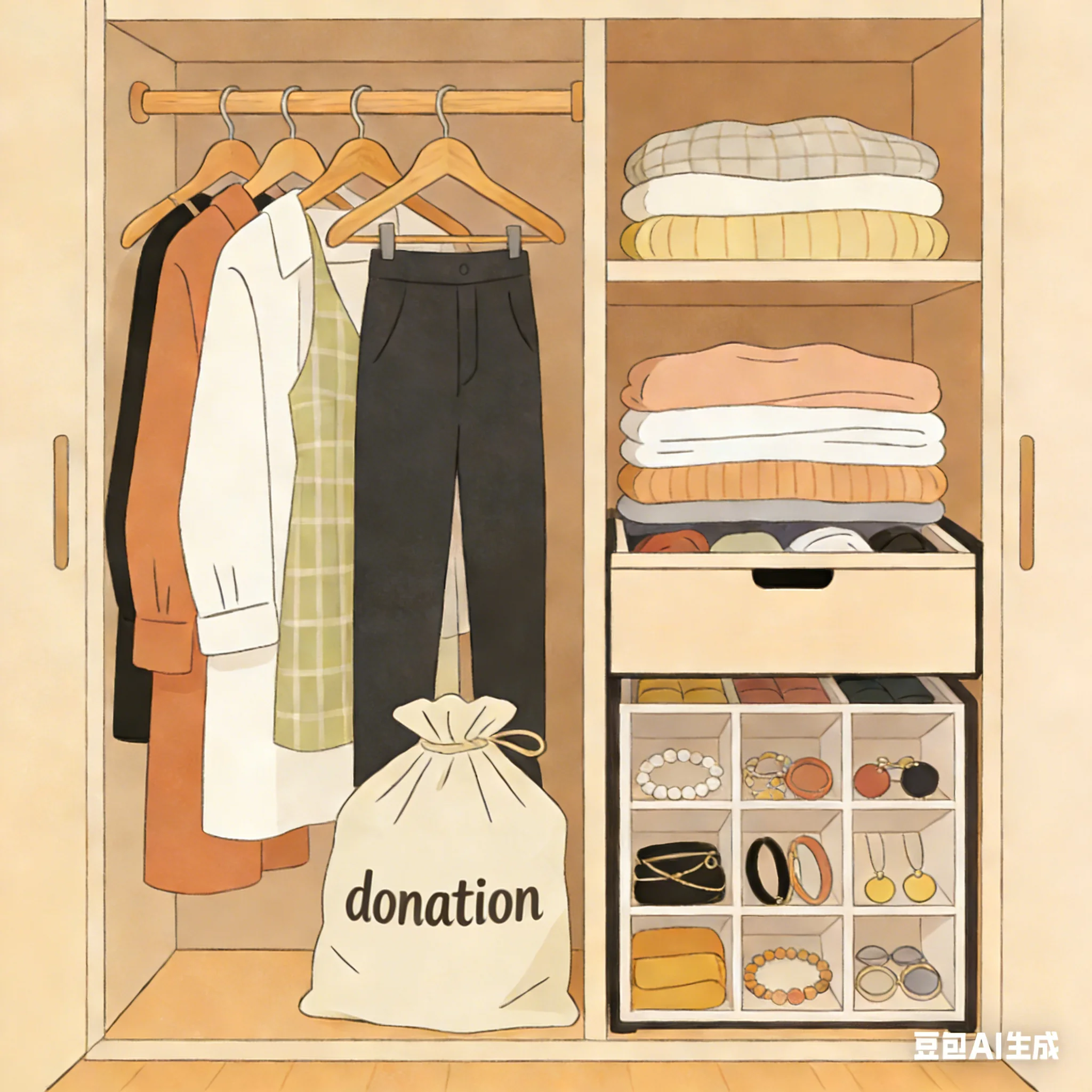
Closet Organization Zero Waste: Sustainable Fashion and Storage Solutions
An organized wardrobe can make it easier to find and care for clothes you already own. Rather than relying on a universal statistic about how much clothing people wear, use your own closet to notice what fits your life, what needs repair, and what you repeatedly do not reach for.
Understanding Your Wardrobe
Effective closet management begins with understanding what you own:
The Wardrobe Audit
Complete Inventory: Remove every item from your closet and assess each piece honestly. Consider fit, condition, frequency of wear, and emotional connection. This process, while time-consuming, provides crucial information for building a functional wardrobe.
Categorization: Sort items into categories: everyday wear, occasional wear, special occasions, and seasonal items. Within each category, further sort by type: tops, bottoms, dresses, outerwear, and accessories.
Assessment Questions: For each item, ask: Does it fit well? Is it in good condition? Have I worn it in the past year? Does it match my current lifestyle? Does it make me feel confident? Honest answers guide decisions about keeping, donating, selling, or repurposing.
Identifying Problem Areas
Purchasing Patterns: Look for patterns in items you never wear. Maybe you have too many similar items, or purchases were made for imagined future occasions. Understanding these patterns helps prevent future over-purchasing.
Lifestyle Mismatches: Many wardrobes contain items purchased for previous life stages. A job change, move, or family status change might render certain items impractical. These items serve no one sitting in your closet.
Gift Challenges: Gifted items that don't suit you create guilt and closet clutter. Consider whether the gift-giver would prefer the item to bring joy to someone else or if it can be repurposed.
Sustainable Storage Solutions
Proper storage extends garment life while keeping your closet organized:
Hanging Storage
Suitable Hangers: Use hangers that support each garment without stretching it. There is no need to replace usable hangers; follow care instructions for delicate or heavy items.
Grouping Strategy: Organize hanging items by category and within category by color. This creates visual order and makes outfit planning easier. Place most-worn items at eye level for easy access.
Garment Storage: For seasonal clothing, clean and dry items before storage and choose a breathable or sealed container based on the garment and storage conditions. Inspect items periodically; a cotton bag alone does not protect every fabric from pests or damp.
Folded Storage
Folding Techniques: Fold knits and heavy items to prevent stretching on hangers. Use consistent folding methods that stack neatly and maximize shelf space. Marie Kondo's method or similar systematic approaches work well.
Vertical Folding: If it suits the garment and shelf, vertical folding can make some items easier to see. Use care instructions and available storage space to choose a method.
Shelf Dividers: Use adjustable shelf dividers to maintain order. These prevent piles from collapsing and help categorize items within shelves.
Accessory Storage
Jewelry Organization: Store necklaces hanging or in divided trays to prevent tangling. Earrings can be stored on hanging racks or in small containers. Jewelry boxes with multiple compartments work well for varied collections.
Shoe Storage: Keep shoes in their original boxes or invest in clear shoe boxes that allow visibility. Boot shapers and shoe trees maintain shape. Store seasonal shoes with cedar chips to prevent odors and damage.
Bag Care: Stuff empty bags with tissue to maintain shape. Store bags hanging or on shelves rather than stuffed on closet floors where they become misshapen.
Reducing Wardrobe Waste
Clothing disposal and textile recovery options vary by location and material. Before discarding wearable items, check local donation or take-back rules; for damaged textiles, confirm whether a nearby program accepts them rather than assuming curbside recycling will.
The No-Buy Approach
Shopping Freeze: Challenge yourself to a defined period without purchasing new clothing. This breaks impulse buying habits and reveals how much you actually need.
Needs Assessment: Before any purchase, wait 48 hours and assess whether you genuinely need the item. Consider whether existing items can serve the purpose or can be combined differently.
Quality Over Quantity: When you do need to purchase, invest in quality items that will last years rather than seasons. Quality garments often fit better, look better, and can be repaired rather than replaced.
Extending Garment Life
Proper Care: Follow care labels carefully. Many garments are damaged by improper washing or drying. When in doubt, hand wash or use gentle cycles with appropriate temperatures.
Timely Repairs: Fix a loose button, small tear, or worn seam when a repair is safe and worthwhile. A repair may let you keep using the garment longer.
Professional Cleaning: Some garments require professional care. Budget for occasional dry cleaning or professional repairs as part of garment ownership costs.
Responsible Disposal
Donation Channels: Good condition items can be donated to thrift stores, shelters, or community organizations. Some charities offer pickup services for large donations.
Resale Options: Quality items can be sold through consignment shops or online platforms. This recoups some value while extending garment life.
Textile Recycling: Items too worn for donation may have a textile recovery option, but accepted materials and destinations vary. Check the program's rules and avoid placing textiles in curbside bins unless your local service accepts them.
Textile Upcycling: Creative individuals can transform worn items into new creations: t-shirts become cleaning rags, worn jeans become bags or cushion covers, and damaged sweaters become pillow covers.
Building a Capsule Wardrobe
Some people find a smaller, coordinated wardrobe easier to manage; the right size depends on climate, work, culture, access, and personal needs:
Principles of Capsule Wardrobes
Core Essentials: Identify the items you reach for most and whether any gaps are real. There is no required number of pieces for a capsule wardrobe.
Color Coordination: Choose a cohesive color palette that allows easy mixing and matching. Neutral bases with accent colors create variety without excess.
Quality Basics: Invest in quality versions of foundational pieces: well-fitting jeans, classic blazers, versatile dresses, and quality outerwear.
Creating Your Capsule
Lifestyle Analysis: Consider your typical week. How many workdays, casual days, and special occasions? Build your capsule around actual lifestyle needs rather than aspirational ones.
Versatility Focus: Choose items that serve multiple purposes. A blazer works for work and dressed-down occasions. A simple dress can be casual with flats or elegant with heels.
Seasonal Rotation: Store seasonal items not currently in rotation. This keeps your active wardrobe manageable while preserving out-of-season pieces in good condition.
Mindful Fashion Consumption
When you do purchase new items, do so mindfully:
Sustainable Brands
Research Brands: Look for clear information about materials, labor, and environmental claims. Certifications have different scopes and standards; check what a specific label verifies instead of treating it as a guarantee about an entire brand.
Material Choices: No fiber is the best choice in every case. Consider whether a garment fits your needs, is comfortable and durable for you, and can be cared for and repaired. Use environmental labels as one piece of information rather than a guarantee about the whole product.
Local Production: Local production may make origin and repair options easier to investigate, but it does not by itself establish lower emissions or better quality.
Alternative Fashion Sources
Thrift Shopping: Secondhand stores can extend the use of clothing and may offer lower prices. Check fit, condition, care requirements, and whether you will use the item before buying.
Clothing Swaps: Organize clothing swaps with friends or community groups. This refreshes wardrobes without any purchase while building social connections.
Rent for Special Occasions: For rare special events, consider renting formal wear rather than purchasing items worn once.
Closet organization and zero waste fashion go hand in hand. By understanding what you own, storing items properly, reducing consumption, and extending garment life, you create both an organized closet and a more sustainable relationship with fashion.
Continue Your Zero Waste Journey
Ready to learn more? Explore our other guides and tips for sustainable living.