Zero Waste Living Swaps for Everyday Items
Compare reusable alternatives with your current routine, including care, cost, availability, and local disposal options.
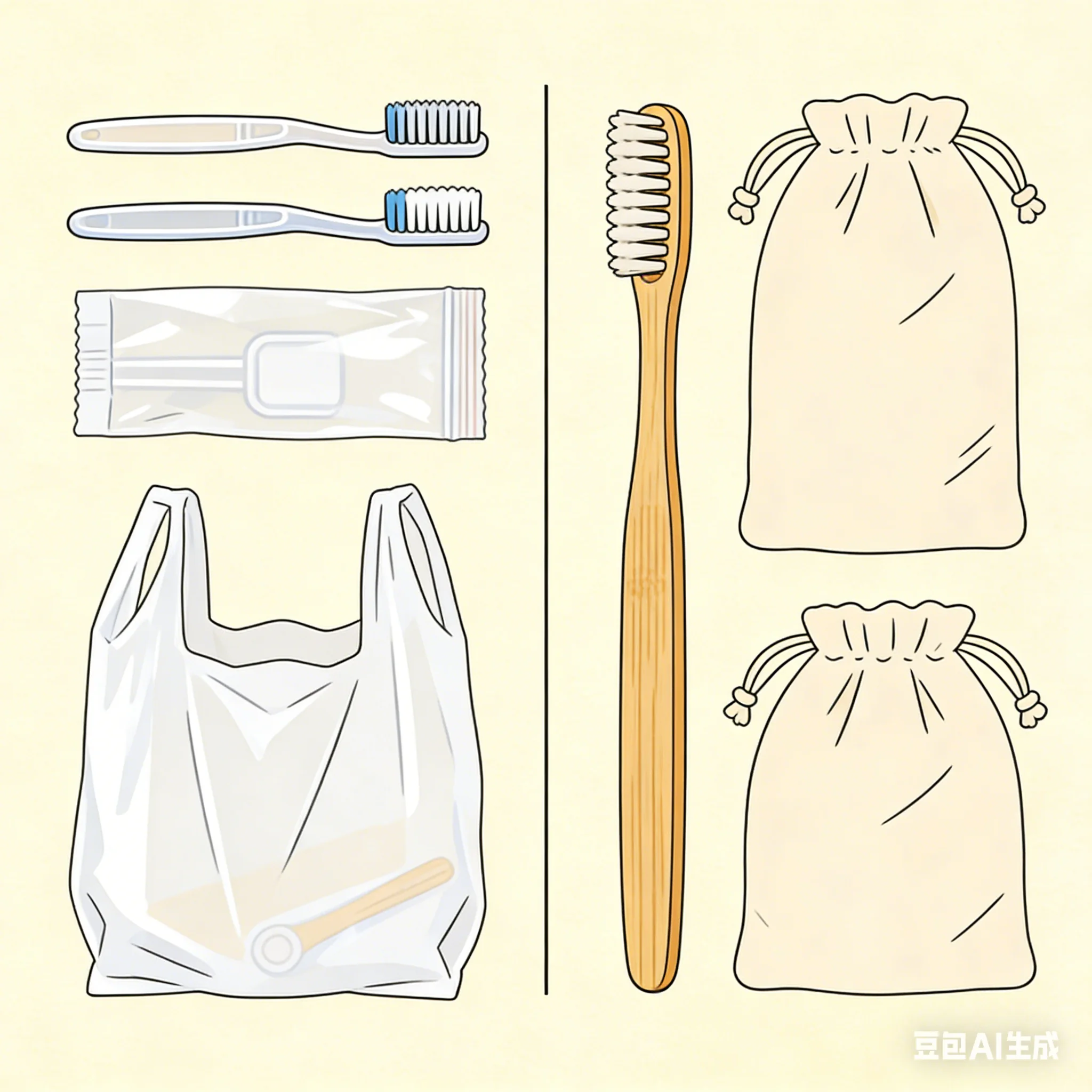
Everyday Swaps for a Lower-Waste Home
An everyday swap is useful when it replaces something you already use, fits your routine, and can be cleaned or maintained. It is not automatically better to discard a working product and buy a greener-looking one. Start with the next item you would otherwise replace.
In the kitchen
- Food storage: Use a plate, container, or lid you already own before buying wraps or bags. Reusable silicone, glass, and cloth have different temperature and cleaning limits; follow product instructions.
- Coffee: If you make coffee regularly, a washable filter, French press, or reusable pod compatible with your machine can reduce disposable filters or pods. Choose the method you will actually clean.
- Takeout: Keep one container or utensils with you if they are convenient. Ask the restaurant first whether outside containers are allowed, and follow its food-safety instructions.
- Leftovers: Label and refrigerate food promptly. Freeze portions you will not use soon. See USDA advice for handling takeout safely.
In personal care
- Finish the products you already have before changing packaging.
- Try a bar soap or shampoo only if it works for your skin and hair; ingredient preferences and results vary.
- Use a washable cloth or reusable rounds if you can launder them regularly.
- For oral care, keep using a toothbrush that meets your needs and replace it as advised by your dentist. Choose toothpaste with fluoride unless your dental professional recommends otherwise; the American Dental Association's home oral-care guidance recommends brushing twice daily with fluoride toothpaste.
- Check local rules and product instructions before assuming packaging or a bamboo handle is compostable or recyclable. Bristles and mixed materials often need a different disposal route.
In cleaning and laundry
Reusable cloths and a washable mop pad can replace some disposable wipes or paper towels. Wash them with household laundry and retire them when worn out.
Use cleaners according to their label. “Natural” ingredients are not automatically safe or effective for every surface. The EPA notes that homemade cleaners may not perform as well as formulated products, and says it cannot verify how well common household ingredients such as vinegar kill the novel coronavirus in its guidance on common household substances and COVID-19. If a surface needs disinfection, use a product labeled for that purpose and follow its directions. Never mix cleaning products.
On the go
Keep one shopping bag near your keys or in a bag you already carry. Add a refillable bottle, cup, or utensil only if it is useful often enough to justify carrying and cleaning it. If you forget it, use the option available and try again next time.
Make the swap fit
Before buying, ask: What does this replace? How will I clean it? Where will it go when not in use? Can I repair, borrow, or reuse something I already own? A modest change that stays in use is more practical than a cupboard full of products bought for an idealized routine.
Continue Your Zero Waste Journey
Ready to learn more? Explore our other guides and tips for sustainable living.