Zero Waste Living for Families
Involve the whole family in sustainable practices with fun activities, age-appropriate chores, and tips for reducing household waste together.
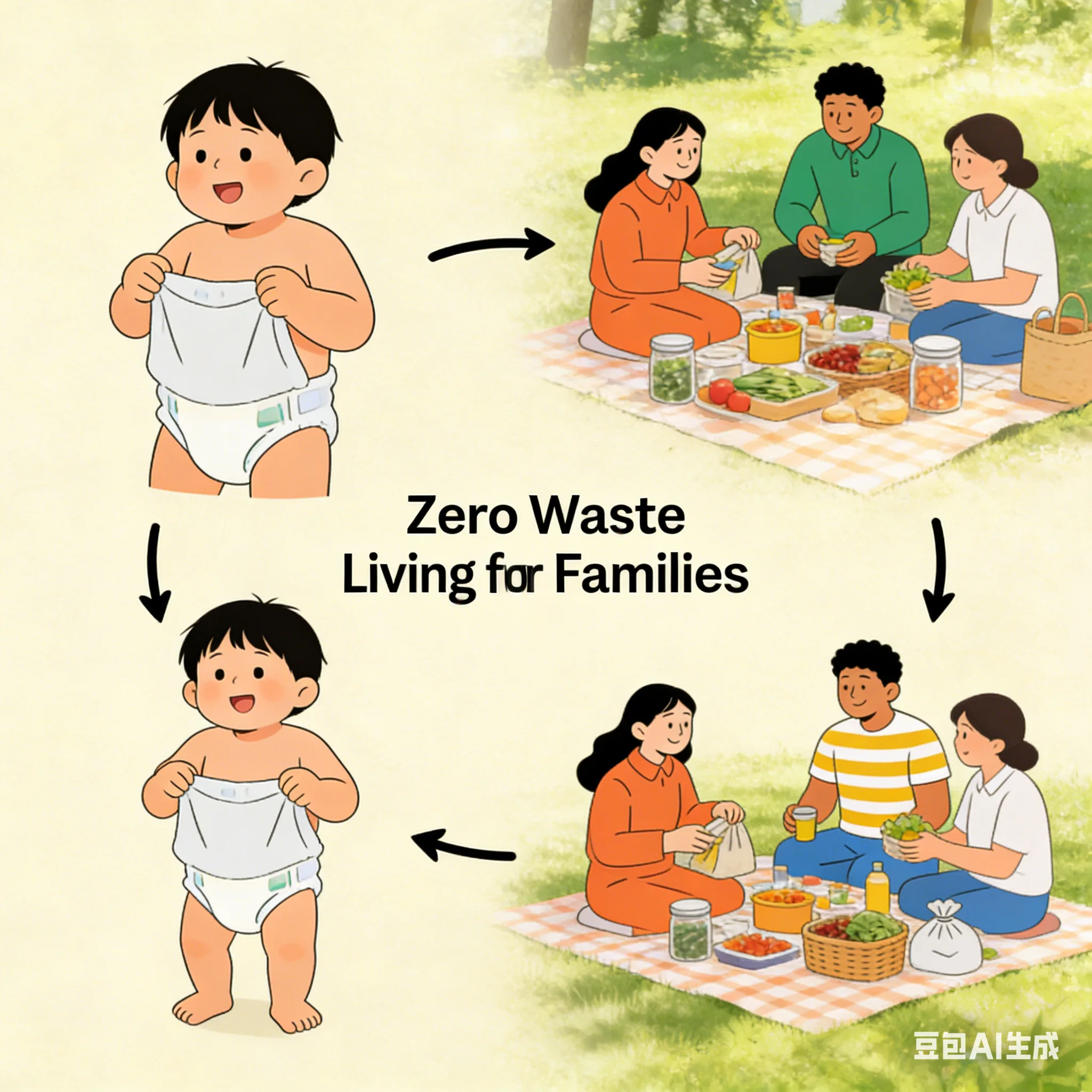
Zero Waste Living for Families
Families can try lower-waste routines together, but schedules, budgets, ages, abilities, and local services differ. Choose activities that are safe and enjoyable for the people in your household; no family needs to reach a completely waste-free routine.
1. Education is Key
First and foremost, it's essential to raise children's awareness of environmental issues. You can introduce them to these topics through entertaining methods, such as hosting a family movie night centered around environmental themes, watching animated films or documentaries that highlight the importance of sustainability. During discussions, encourage children to share their feelings and thoughts, allowing them to deepen their understanding through participation.
2. Age-Appropriate Chores
Designing age-appropriate chores for children is a great way to boost their involvement in the family's zero waste journey. For example:
-
Younger children: With close adult supervision, they can help put clean, safe items in a designated place or decorate a reusable bag. Keep small objects, chemicals, glass, and waste sorting out of reach.
-
School-age children: They can help with simple tasks suited to their abilities, such as checking a shopping list or identifying items from the local recycling guide with an adult.
-
Older children and teens: Invite them to suggest changes, research local recycling rules with an adult, or help repair and reuse items. Use tools and sewing equipment only with age-appropriate supervision.
3. Family Projects
Engaging in collaborative family projects is a fantastic way to foster children's environmental awareness and teamwork. Here are some project ideas:
-
Planting: If you have a suitable space, grow flowers or edible plants together. Gardening can be a learning activity, but it will not necessarily replace purchased produce or reduce packaging.
-
DIY Recycling Art: Creating art pieces is a wonderful way to strengthen family bonds and nurture creativity. Use old items to craft artistic works, such as decorations made from old book pages or sculptures fashioned from unused toys.
-
Community Clean-Up: Regularly participate in community clean-up events. This helps children understand the significance of reducing waste while instilling a sense of responsibility toward the community.
4. Zero Waste Shopping
Guiding children on how to shop with zero waste in mind is also a crucial aspect of family practice. Consider establishing shopping guidelines such as:
- Using reusable shopping bags;
- Avoiding single-use plastics and opting for bulk items in the grocery store;
- Choosing local or seasonal produce when it fits your budget and needs. Food emissions depend on more than distance alone.
5. Conclusion
Try one activity at a time, such as checking what the local recycling program accepts or using an ingredient already at home. Invite children to participate at a level that suits their age and abilities, and adjust the routine when it becomes difficult or unsafe.
Continue Your Zero Waste Journey
Ready to learn more? Explore our other guides and tips for sustainable living.