Garage and Workshop Zero Waste: Sustainable Storage and Creative Reuse
Organize your garage or workshop with sustainable practices, from tool maintenance to material reuse and waste reduction.
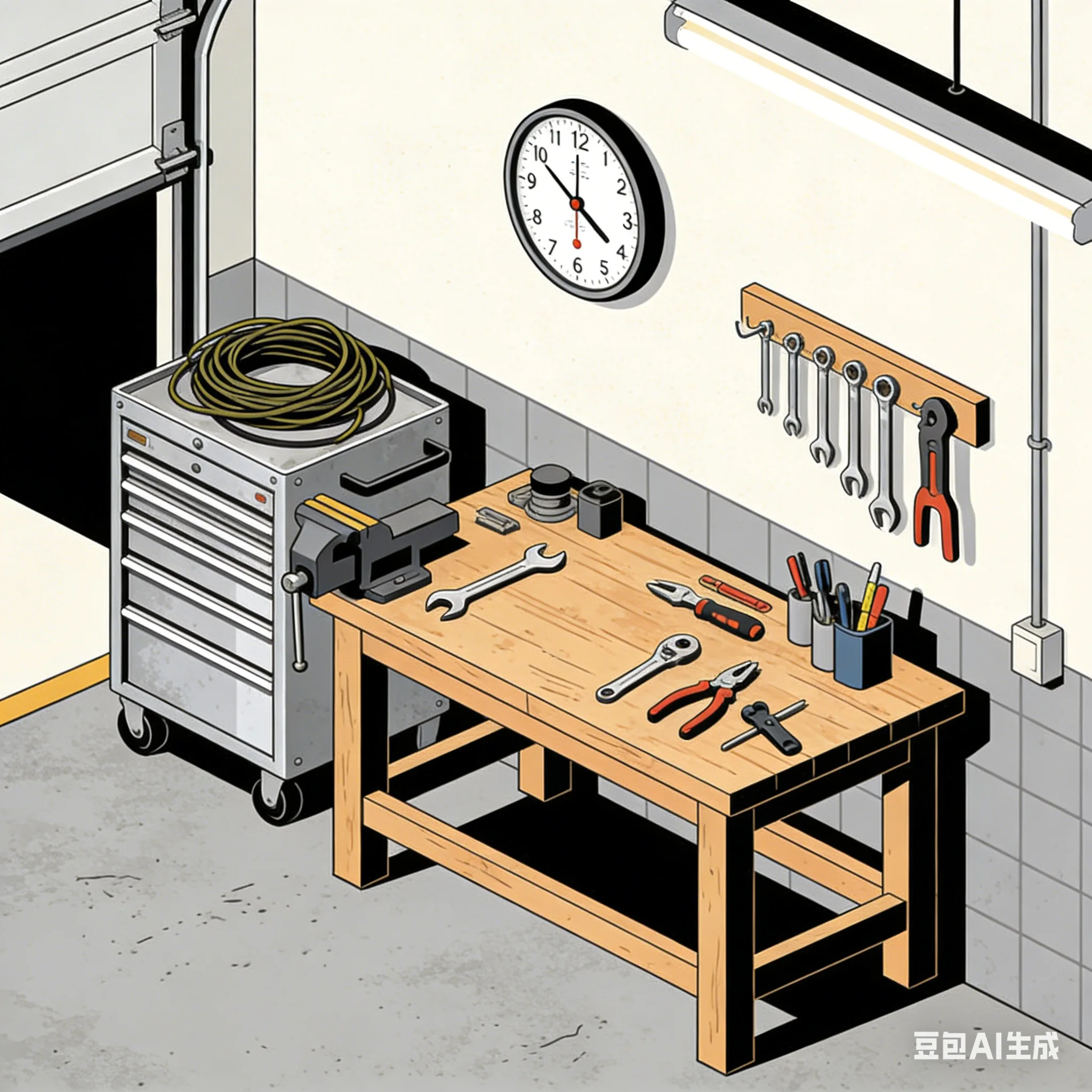
Garage and Workshop Zero Waste: Sustainable Storage and Creative Reuse
Garages and workshops often become catch-all spaces where broken items accumulate, tools rust, and potential materials await uncertain futures. Yet these spaces also represent significant opportunities for sustainable practices: tool repair extends product life, material reuse eliminates purchases, and proper organization prevents duplicate acquisitions. This guide explores strategies for transforming garages and workshops into zero waste zones that support creativity while minimizing environmental impact.
Assessing Your Space
Effective organization begins with honest assessment:
Inventory Categories
Tools: List power tools, hand tools, and specialized equipment. Note condition, function, and how often you use each one. An item that is rarely used may still be needed for a particular task, so consider borrowing or sharing before deciding what to do with it.
Materials: Identify usable materials: lumber, metal, fabric, hardware, and supplies. Assess quantity, quality, and potential applications.
Containers and Packaging: Many workshops accumulate original packaging and containers. Determine what packaging provides genuine protection versus what merely takes space.
Projects In-Progress: Honest assessment of projects in various states of completion helps identify realistic timelines or decide which projects should be abandoned.
Problem Identification
Acquisition Patterns: Reviewing how items accumulated may reveal duplicate tools, unused project materials, or purchases that could have been avoided with an inventory check.
Storage Conditions: Some tools and materials can rust, warp, or deteriorate if stored in unsuitable conditions. Follow product guidance and check materials periodically for damage.
Workflow: If misplaced items slow down your projects, arrange frequently used tools where they are easy to identify and return. The best setup depends on the tasks and workspace.
Tool Maintenance Programs
Maintenance may help keep a tool in usable condition, but lifespan depends on the design, materials, use, storage, and repair options:
Regular Maintenance Routines
Cleaning After Use: Remove debris and store tools according to their instructions. Use suitable protective equipment and avoid cleaning methods that could damage the tool or create a hazard.
Lubrication Schedule: Lubrication needs vary by tool. Follow the manufacturer's instructions and use only compatible lubricants.
Sharpening Protocols: Sharpening methods and intervals vary by tool. Follow manufacturer instructions or use a qualified service, and observe safety precautions when handling blades.
Battery Care: Follow the battery and tool manufacturer's instructions for charging, storage, and end-of-life. Battery types differ, so do not use a universal charge level or storage temperature. Keep damaged batteries out of ordinary trash and check local collection guidance.
Repair Skills Development
Basic Repairs: Some repairs are straightforward, while others involve electrical, battery, or blade hazards. Use the manual and safety instructions; seek qualified help if you are not trained for the repair.
Professional Rebuilds: Ask a qualified repair service or the manufacturer whether repair is available. Compare the estimate, parts, warranty, safety, and replacement cost; not every tool is economical or practical to rebuild.
Parts Replacement: Some products have replaceable blades, belts, or brushes. Check the model's parts list and instructions before ordering or disassembling a tool.
Material Management
Workshop materials represent both resources and potential waste:
Wood and Lumber
Kiln-Dried Storage: Store lumber flat with stickers between boards to allow air circulation. Protect from moisture with tarps or roof covering while maintaining ventilation.
Cut Optimization: Plan cuts to use smaller pieces efficiently. Keep a collection of small scraps organized by size for future projects.
End Grain Sealing: Some freshly cut lumber may benefit from end-grain sealer to reduce checking during drying. Use it only when appropriate for the wood and project, following product instructions; it is not a general treatment for all stored lumber.
Species Organization: Label wood species, dimensions, and condition when known. Organize lumber in a way that makes it easy to check what is available before buying more.
Metal and Hardware
Rust Prevention: Keep metal items clean and dry where practical. Use protective coatings or oil only when appropriate for the item and its intended use, and follow manufacturer guidance.
Categorization System: Organize hardware by type, size, and material. Clear containers with labels allow quick identification and inventory awareness.
Corrosion Protection: Metal corrosion depends on the materials, moisture, and conditions of contact. Store items dry and follow manufacturer guidance rather than assuming that a particular pair of metals will or will not corrode.
Fabric and Soft Materials
Climate Control: Store fabrics clean and dry, away from prolonged direct sunlight. Pest risks and suitable protection vary by material and location; inspect stored textiles and follow local pest-control guidance.
Roll Storage: Store fabric rolls vertically to prevent creasing and crushing. This also makes inventory visible and accessible.
Clean Before Storage: Store clean materials to prevent pest attraction and mildew growth. Professional cleaning may be appropriate for valuable textiles.
Creative Reuse Strategies
Waste prevention through creative reuse saves money while reducing environmental impact:
Scrap Utilization
Size-Based Systems: Organize scraps by size ranges that match common project needs. This makes selection easy and prevents valuable scraps from being overlooked.
Species Matching: Keep similar species together. Wood scraps of the same species can be combined for projects where strength and appearance matter.
Joinery Considerations: Store pieces that can be joined together for larger projects. Edge-glued panels from narrow boards create material from scraps.
Material Diversion
Community Sharing: If you have usable surplus material, ask a local group whether it is wanted before posting or transporting it. Interest and acceptance vary.
Craft Donations: Contact a school, community center, or art program before donating. Ask what materials it accepts, in what condition, and when it can receive them.
Commercial Connections: Some businesses accept specific surplus materials, but needs and handling requirements vary. Contact a potential recipient before setting materials aside for them.
Upcycling Projects
Furniture Restoration: Restore discarded furniture rather than replacing it. Stripping, repairing, and refinishing creates beautiful pieces while diverting waste.
Container Conversion: Clean containers may suit workshop storage for small, non-hazardous items. Do not use food or drink containers to store chemicals, and label any repurposed container clearly.
Artistic Applications: Scrap materials find new life in mosaic projects, collages, textile art, and mixed media creations.
Reducing New Material Purchases
Avoiding an unnecessary purchase is one way to reduce material use:
Smart Acquisition
Complete Inventory: Before any purchase, check existing inventory thoroughly. Many projects can be completed with materials already on hand.
Project-Based Buying: Purchase only materials needed for specific, planned projects. Avoid speculative buying based on future possibilities.
Material Substitutions: Consider whether alternative materials might serve project needs better than initially planned materials.
Quality Investment
Tool Quality: Compare suitability, repair options, expected use, price, and warranty. A higher price does not guarantee longer life or better value for every task.
Material Grades: Match material quality to project requirements. High-grade materials on simple projects waste money; inadequate materials on important projects waste time.
Bulk Purchases: If you use a material regularly, compare unit prices, storage needs, and packaging before buying a larger quantity. Bulk purchasing does not always reduce cost or waste.
Organization Systems
An organization system may help you find tools and supplies before buying more:
Vertical Storage
Wall Systems: Pegboard, slatwall, and French cleat systems are options for vertical storage when compatible with the wall, tools, and installation requirements.
Overhead Storage: Ceiling-mounted racks store seasonal items, bulky materials, and rarely-used equipment without consuming floor space.
Stackable Containers: Clear, stackable bins with labels may help organize small parts. Check that containers are stable and suitable for the load; a vertical system may free some floor area in a suitable workspace.
Mobile Solutions
Tool Carts: Mobile tool carts bring frequently-used items to work locations. Customize carts for specific tasks or workshop areas.
Portable Kits: Assemble kits for specific activities: electrical repair, plumbing adjustments, furniture moving. Store kits as units and return complete after use.
Material Totes: Large totes with wheels transport materials between storage and work areas. Label totes for quick identification.
Hazardous Material Handling
Workshops often contain materials requiring special handling:
Safe Storage
Flammable Materials: Keep products in their original, labeled containers and follow their safety instructions and local fire rules. Store them away from heat or ignition sources as directed, and do not transfer chemicals into food or drink containers.
Chemical Storage: Do not combine products or transfer them into unlabeled containers. Follow label instructions for compatibility, ventilation, and storage; keep hazardous household products away from children and pets.
Labeling Clarity: Keep all containers clearly labeled including contents, purchase date, and hazard information. Unlabeled containers create dangerous unknowns.
Proper Disposal
Local Regulations: Check local hazardous-waste rules and collection schedules before disposal. The EPA's household hazardous-waste guidance explains why local disposal instructions matter.
Collection Centers: A local facility may accept some household hazardous materials; verify accepted products, containers, and hours first. Store materials according to their labels while waiting for collection.
Reduction Strategy: Buy only the quantity you expect to use and choose an alternative only after checking that it is suitable for the task and safer to store or dispose of.
Garage and workshop zero waste practices transform cluttered storage areas into efficient creative spaces. Proper material management, tool maintenance, and creative reuse reduce both waste and costs while improving workshop functionality.
Continue Your Zero Waste Journey
Ready to learn more? Explore our other guides and tips for sustainable living.