Zero Waste Living Grocery Shopping Tips
Flexible grocery ideas for checking food at home, comparing bulk options, and following local rules; package-free shopping is not required.
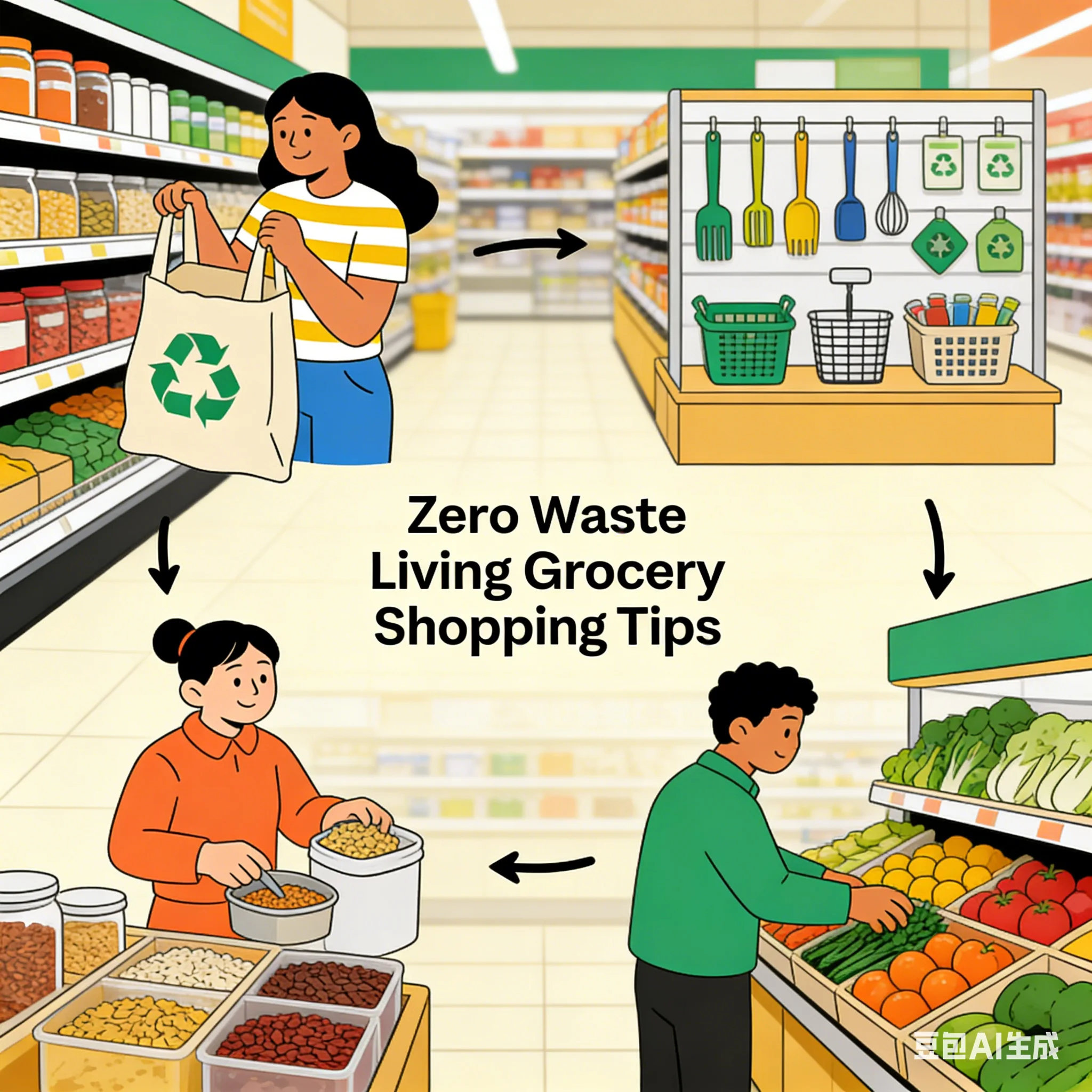
Grocery shopping can create packaging waste and lead to food being bought but not used. A practical shopping routine starts with what is already at home, works with the stores available to you, and avoids buying more than you can store or finish. Package-free shopping is one option, not a requirement.
1. Prep Before You Shop: Set Yourself Up for Zero Waste Success
The key to zero waste grocery shopping starts before you even step foot in the store. Taking a few minutes to prepare will help you avoid impulse buys, skip unnecessary packaging, and stay focused on your sustainable goals.
- Make a useful shopping list: Check your pantry, refrigerator, freezer, schedule, and household preferences, then list what you are likely to use. Planning can help you avoid duplicate or unneeded purchases, though food needs and routines change.
- Bring a bag if useful: A reusable bag you already own may replace a store bag when it is clean, available, and practical to carry. You do not need a special kit or a new set of containers to shop.
- Check what you have: A quick look through the pantry, refrigerator, and freezer can help you notice ingredients that might fit upcoming meals and reduce accidental duplicate purchases.
2. Navigate Bulk Bins Like a Zero Waste Pro
Bulk bins can make it easier to choose a quantity that fits your needs, but packaging, price, hygiene rules, and availability vary by store. Compare the unit price with packaged options and ask staff whether they accept customer containers before bringing them.
- Ask how containers are handled: Store policies for customer containers, tare weights, and labels vary. Check with staff before filling a container, and follow the store's food-safety and weighing instructions.
- Compare bulk options: Some stores offer dry goods or snacks in bulk, while others do not. Check the available products, packaging, unit price, hygiene rules, and container policy before deciding whether this option works for you.
- Keep containers clean: If the store accepts customer containers, bring clean, dry ones and follow its handling rules.
- Check allergen information: Separate containers do not prevent cross-contact at a shared bulk station. If you have a food allergy, ask staff about ingredients and cross-contact controls or choose a sealed product with suitable labeling.
3. Embrace Farmers Markets for Fresh, Package-Free Produce
Farmers markets may offer local produce and direct contact with vendors, but products, packaging, prices, and access vary. If you visit one, these questions can help:
- Ask before using a container: Vendors set their own packing and weighing rules. If they allow a customer container, use one that is clean, suitable for the food, and easy to weigh.
- Ask what is in season: Availability changes by place and time of year. The environmental impact and price of a food depend on production and storage as well as transport.
- Ask about packaging: A vendor may be able to use a different package, but policies and food-safety needs vary. Do not assume paper, fiber, or labeled compostable packaging is accepted by your local recycling or composting service.
- Consider imperfect produce: If a store or farm offers it and you can use it, misshapen produce can be a useful choice. Availability and price vary; do not assume every item would otherwise be discarded or that it is always cheaper.
4. Smart Swaps for Packaged Items (When You Can’t Go Package-Free)
Let’s face it—there are some items that are hard to find without packaging, especially if you don’t have access to a well-stocked bulk store. When you have to buy packaged goods, make these sustainable swaps:
- Compare packaging options: Reuse sound containers where suitable and check local recycling rules before choosing packaging for end-of-life reasons. No material is “infinitely recyclable” in every real-world collection system.
- Compare packaging options: Fewer layers may be easier to handle, but material type alone does not establish local recyclability. Check the waste program where you live and consider whether the product will be used.
- Compare package sizes: A larger package may use less packaging per unit, but only choose it if you can store and use the contents. Compare unit prices and avoid letting food spoil.
- Look for compostable packaging: Some brands use compostable materials like plant-based plastic or mushroom packaging. Just make sure to check if your local composting program accepts these items before purchasing.
5. Reduce Food Waste: The Ultimate Zero Waste Grocery Hack
Shopping to use what you buy can prevent avoidable food waste. The EPA's household guidance recommends planning, storing food appropriately, and using food before it spoils. Try these steps:
- Choose quantities that fit your plans: Buy amounts you can store and are reasonably likely to use. Leave room for schedule changes, and freeze suitable items when you can do so safely.
- Plan around storage needs: Use food according to its condition and storage instructions. Different varieties and storage conditions affect how long items keep; do not rely on a universal order for every household.
- Read date labels with care: Date-label meanings vary by product and jurisdiction. Follow package storage instructions and applicable food-safety guidance; do not assume a date label alone tells you how long food is safe after opening or improper storage.
- Check reduced-price items carefully: If food is marked down, check its condition, storage instructions, and date label, and buy it only if you can use or freeze it in time. Follow food-safety advice rather than assuming every discounted item is safe.
Final Thoughts: Progress Over Perfection
Grocery shopping does not have to be package-free to be useful. Try one change that fits your local stores and household needs, such as checking what food you already have or choosing a package size you can use. Review whether the change reduced avoidable purchases or waste for your household.
Start with one or two tips that feel manageable, then review whether they fit your stores, budget, and household. Compare what you buy and discard over a representative period before drawing conclusions about any change in waste.
Continue Your Zero Waste Journey
Ready to learn more? Explore our other guides and tips for sustainable living.