How to Sort and Dispose of Household Batteries Safely
Identify common battery types, check local collection rules, and handle damaged lithium-ion batteries with care.
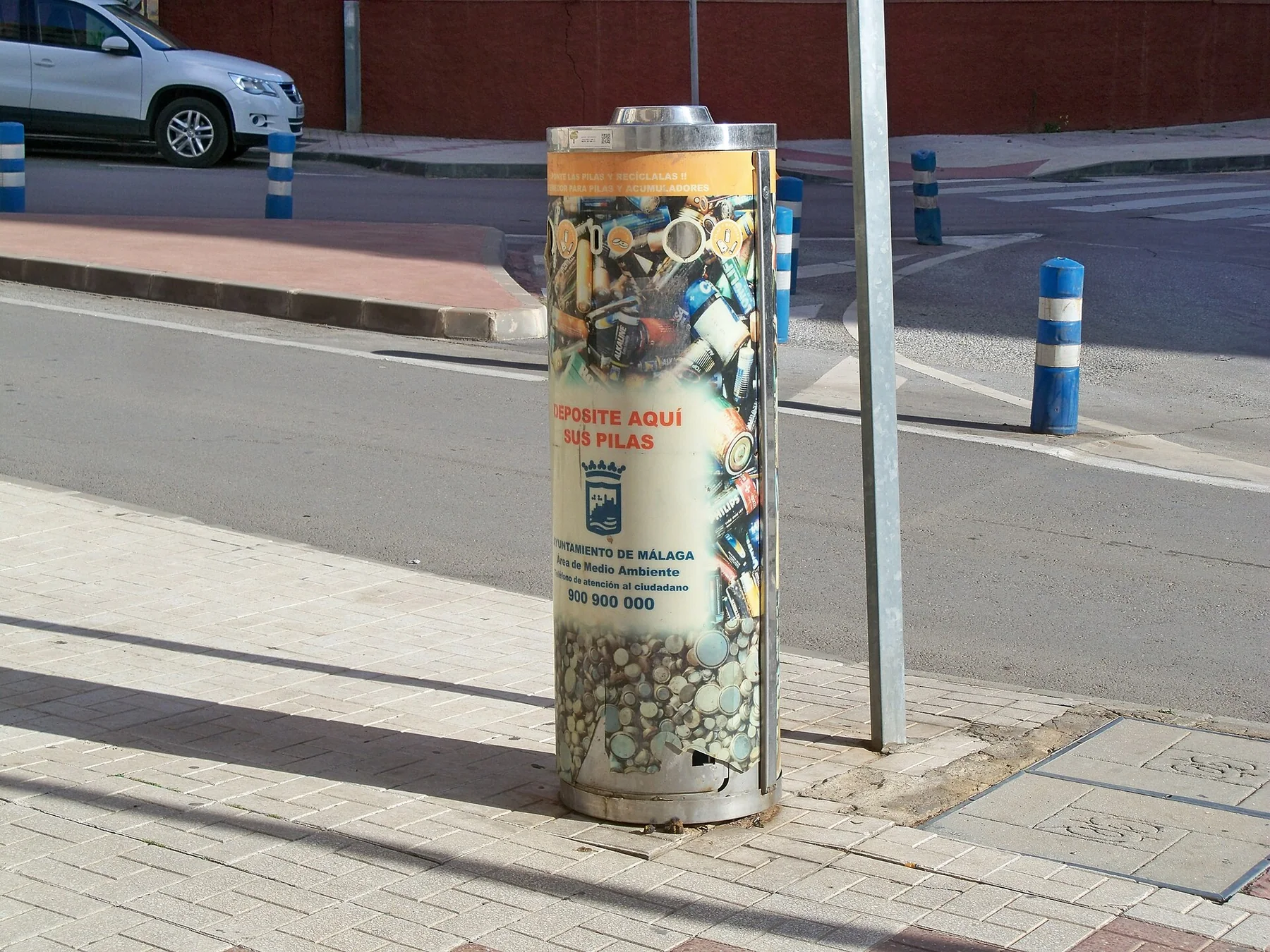
Household batteries are not all the same. A small single-use alkaline cell, a rechargeable lithium-ion pack, a button battery, and a lead-acid battery have different chemistries, collection routes, and handling requirements. A recycling symbol or familiar shape does not tell you which local service accepts the battery. Before clearing a drawer, identify the type from its label or product information and check the current instructions from the waste authority, manufacturer, or battery collection program where you live.
Sort by type and condition
Keep batteries in their original package when it is available and still legible. Otherwise, write down the chemistry, size, and whether the battery is rechargeable. Do not group unknown batteries together just because they look alike. Some chemistries can have similar shapes while requiring different end-of-life management. The U.S. EPA notes that lithium batteries can vary in chemistry and that differences may affect their hazards and management. That is one reason not to identify a battery only by appearance.
Separate intact used batteries from any item that is swollen, leaking, corroded, hot, crushed, or otherwise damaged. Do not touch leaking material with bare hands or put a damaged battery into a regular public collection box unless its operator explicitly says that it can accept it. Keep children and pets away, and contact the local hazardous-waste service, battery manufacturer, or fire-safety authority for specific handling and transport instructions. This article cannot determine the condition of a particular battery remotely.
Rechargeable batteries may be built into phones, laptops, headphones, toys, power tools, and other products. Do not force open a device or remove a battery that is not designed for user removal. A qualified repairer, manufacturer, or designated collection site can advise whether the whole device should be returned with the battery installed. If an item is under warranty or has a recall notice, follow the maker’s and product-safety agency’s current instructions.
Find the right local collection route
Search the official local-authority website for “household battery collection” plus the battery chemistry, or ask the waste service directly. Check whether the site accepts single-use batteries, rechargeable packs, button cells, vehicle batteries, or only certain types. Note collection hours, packaging requirements, quantity limits, and whether batteries must be delivered to a staffed facility. Retailer take-back programs may be useful, but their accepted chemistries and sizes can differ between locations.
In the United States, EPA recommends that households send used lithium-ion batteries and devices containing them to a battery collection site or household hazardous-waste facility rather than putting them in household rubbish or curbside recycling. That guidance is specific to U.S. household programs and lithium batteries; it should not be read as a universal rule for every battery in every country. In another jurisdiction, check the relevant public authority or scheme. Some places allow particular battery types in a municipal collection program while excluding others.
The Basel Convention’s technical guidance on waste batteries addresses environmentally sound management for multiple battery streams, including lead-acid and other waste batteries. It is an international technical reference for waste management, not a household drop-off directory. For an individual battery, use the local collection instructions that implement the rules where it will be handed over.
Store batteries only as the program directs
Until you can reach a collection point, keep used batteries away from heat, moisture, children, and metal objects that could contact terminals. Avoid placing loose batteries in a pocket, drawer with coins, or container where they can be crushed or shorted. Do not store a large quantity for an extended period just to make one trip. Ask the collection operator whether terminals should be covered, batteries bagged individually, or a particular container used. EPA’s U.S. lithium-ion guidance recommends isolating terminals and protecting batteries from damage; other programs may issue different packaging instructions, so follow the receiving site’s directions first.
Keep batteries in a place where their type and condition remain identifiable. Do not tape over labels if doing so would prevent staff from identifying the chemistry; EPA specifically advises keeping the label legible in its household lithium guidance. If an instruction from a collection point conflicts with generic advice, contact that program before transport. Do not improvise a repair, puncture, flatten, or dismantle a battery to make it easier to store.
For an installed battery in a household device, decide whether the whole product still has a useful life. If it works, the manufacturer or a repair service may offer a replacement battery or refurbishing route. If it cannot be repaired, ask whether the device should be taken to electronics recycling with the battery still installed. Do not remove an integrated battery unless the product’s instructions and your skill level make that a safe user task.
Reduce the number of batteries you manage
When buying a device, check its power source, battery life, replacement availability, and whether rechargeable cells are compatible with the task. A rechargeable option may be useful in a device that is used frequently and has a suitable charging and collection route. A single-use battery may make sense in a device with a low power demand or infrequent use. There is no one answer for every household; compare the product’s instructions, cost, and actual pattern of use.
Keep batteries that are still usable organized by type and date, and use older compatible cells first according to the device maker’s directions. Do not mix old and new batteries or different chemistries in a device unless the manufacturer says that arrangement is supported. Remove batteries from equipment that will be stored for a long period when the product instructions recommend doing so. Store products and spare batteries as directed by their manufacturers.
Avoid buying spare packs before checking whether the original battery can be replaced or charged. Keep the receipt or model number for rechargeable devices so you can find the correct replacement and the correct take-back route later. If a product relies on an unusual proprietary battery, ask about availability and service before purchase. Such questions can reveal whether an item is likely to remain useful after its first battery wears out.
Build a household routine that does not depend on guesswork
Put a reminder in a shared calendar to check the official drop-off instructions when a container is nearly ready, not when it is overflowing with unidentified cells. A clearly labeled, stable storage spot can help the household keep batteries away from general recycling. If the dwelling has shared bins, post or send a short note that explains which batteries the local program accepts and where the collection point is located. Do not place a loose battery collection box in a common area without the property manager’s approval and the collector’s packaging instructions.
For schools, workplaces, and other non-household settings, use the organization’s hazardous-materials process. U.S. federal rules distinguish households from business generators, and requirements can vary by state. Other countries have their own responsibilities for businesses. A household guide is not a substitute for an organization’s legal or safety obligations.
When a battery reaches end of life, the right decision is the one that matches its type, condition, and local service. Identify what you can, avoid handling anything damaged, keep it out of a stream that does not accept it, and ask the receiving program when instructions are unclear. A few minutes of verification can prevent an uncertain battery from being treated as ordinary household packaging.
Sources
- Lithium-Ion Battery Recycling Frequently Asked Questions — U.S. Environmental Protection Agency
- The Importance of Sending Consumers’ Used Lithium-ion Batteries to Electronic Recyclers or Hazardous Waste Collection Facilities — U.S. Environmental Protection Agency
- Technical Guidelines on Waste Batteries — Basel Convention
Continue Your Zero Waste Journey
Ready to learn more? Explore our other guides and tips for sustainable living.