Kids Room Zero Waste: Raising Eco-Conscious Children in a Consumer World
Create a practical, lower-waste space for children with durable toys, careful product choices, and family routines.
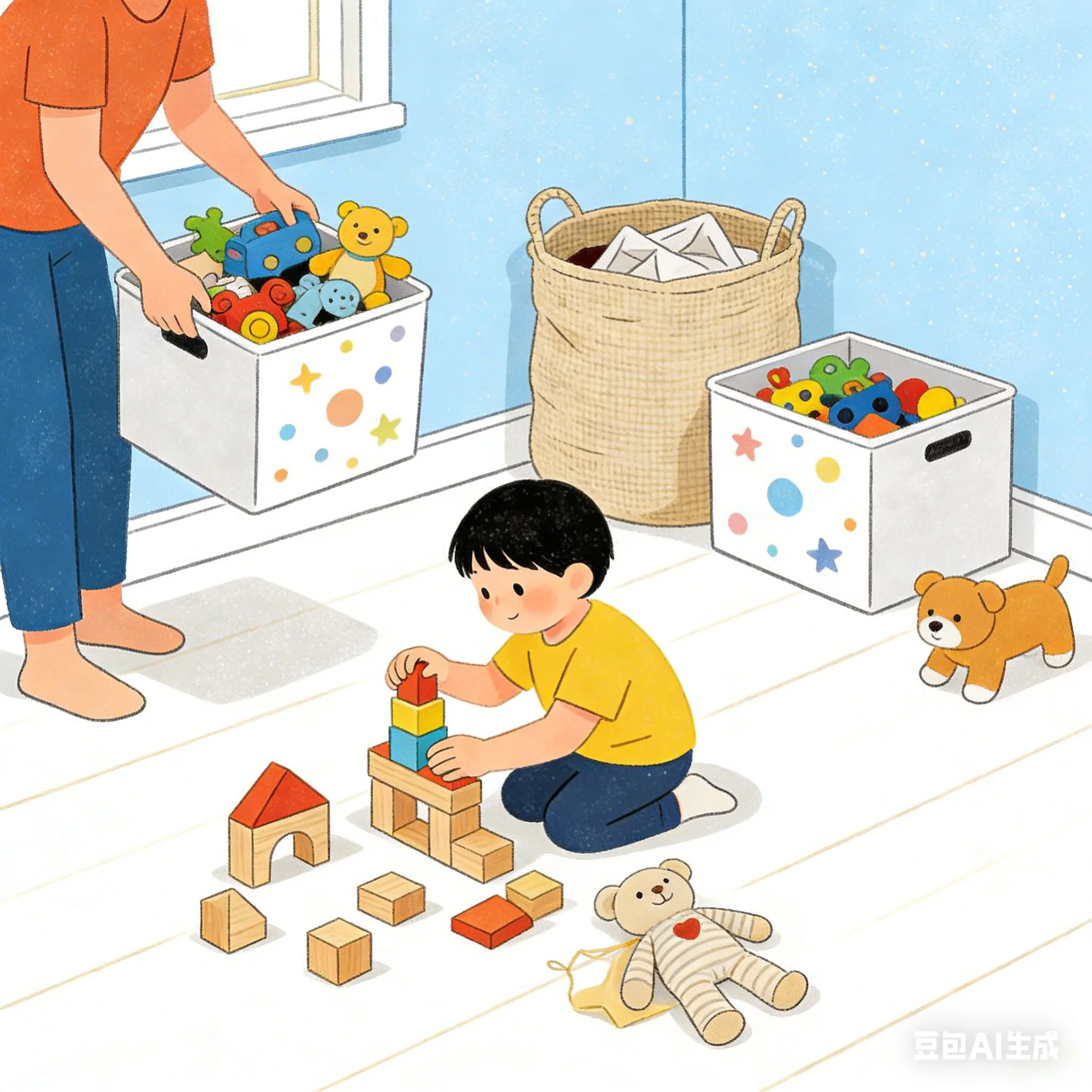
A Lower-Waste Kids' Room That Works for Your Family
A children's room changes as children grow. The most practical way to reduce waste is to keep useful items in circulation, choose things that can be repaired or handed down, and avoid buying products solely because they are marketed as “eco-friendly.”
Use and organize what you already have
Begin with a simple room review. Separate items that are used regularly, need repair, are outgrown, or are no longer safe for the child's age. Store a manageable selection of toys where children can reach them and rotate the rest only if that helps your household. Rotation is optional; it should not become another chore.
Choose storage that can adapt as needs change. Reuse sturdy boxes, baskets, or shelves before purchasing new organizers. Keep exits, heaters, windows, and cords clear, and follow age-appropriate safety guidance for furniture and toys.
Choose furnishings with care
When repainting or buying furniture, read labels and follow manufacturer instructions for installation, ventilation, curing, and cleaning. Lower-VOC paint can reduce some emissions from paint, but no single label establishes that an entire room is free of pollutants. Use ventilation appropriate to the product and local conditions.
Check that furniture is stable and secured where required, and choose finishes and materials based on clear product information rather than broad “non-toxic” promises. For bedding and rugs, prioritize fit, comfort, washability, and durability. A natural fiber is not automatically safer or lower-impact in every use.
Treat plants as decoration, not air filters
Houseplants can add greenery, but ordinary numbers of potted plants should not be presented as an effective indoor air-cleaning system. A review of indoor-plant studies found that typical homes would need very high plant densities to match normal ventilation for VOC removal.
Before placing a plant in a child's room, check its safety for children and household pets and keep it out of reach if leaves or soil may be mouthed. Pothos and snake plants are listed as toxic to cats and dogs by the ASPCA and ASPCA snake-plant listing. For suspected exposure, contact a local poison-control service or veterinarian.
Buy, borrow, and pass along toys thoughtfully
Select toys that are appropriate for the child's age and interests. Check for small parts, damaged batteries, loose magnets, recalls, and cleaning instructions. A durable toy can be useful, but a simple item is not automatically better if it does not suit the child.
Borrow or buy secondhand when the item is safe, cleanable, and complete. Repair toys only when the repair is reliable and does not introduce a choking or other safety hazard. For outgrown items, ask local donation groups what they accept; do not donate recalled, broken, or unsafe products.
Make low-waste routines manageable
Use washable clothes or bedding when laundering is practical, and follow care labels so items last. Keep a small mending kit for simple repairs, and let children help with tasks that are safe for their age. When items reach end of life, check local textile, electronics, and household-waste rules rather than assuming every material is recyclable.
The goal is a comfortable, safe room that supports play and rest. Keep changes gradual, use existing items first, and choose the options that fit your family's budget and routines.
Continue Your Zero Waste Journey
Ready to learn more? Explore our other guides and tips for sustainable living.