Zero Waste Living Kitchen Essentials
Practical ideas for using food and kitchen tools well, with storage and compost options to check locally.
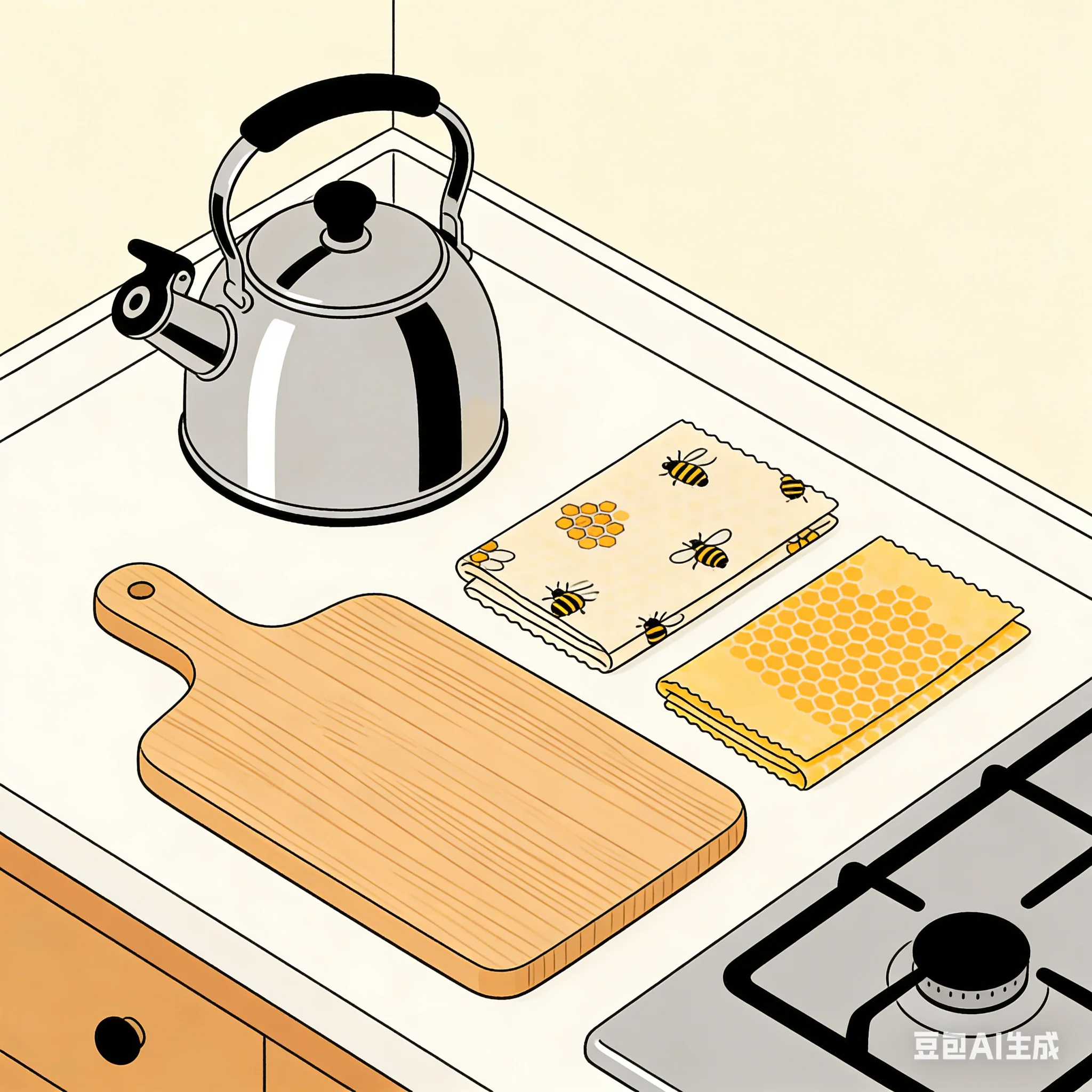
Practical Essentials for a Lower-Waste Kitchen
A lower-waste kitchen is built around using food and equipment well, not filling cupboards with new “eco” products. Before buying anything, check what you already have and identify one recurring inconvenience or source of waste.
Start with food, not storage products
Make a short shopping list after checking the fridge, freezer, and pantry. Put food that needs using where it is easy to see, and freeze portions you will not eat soon. Store food in clean, food-safe containers suited to the food; reuse containers you already own when appropriate.
The EPA's household food waste guidance recommends planning, proper storage, and using food before it spoils. It is usually more useful to buy a realistic quantity than to buy an elaborate organization system.
Choose reusables you will maintain
- Keep a few washable cloths for routine wiping, and launder them regularly.
- Use a small set of containers with lids that fit your actual meals and storage space.
- Bring a shopping bag or cup only if it is convenient to carry, clean, and remember.
- Repair or keep using sound tools instead of replacing them for a matching look.
- If an item is difficult to clean, takes more resources to maintain, or is rarely used, it may not be a good swap for your household.
Reusable silicone bags, beeswax wraps, glass, and metal all have different care and temperature limits. Follow the manufacturer's instructions for food contact, heating, and washing. Do not assume every reusable item is suitable for a microwave, oven, or dishwasher.
Cook efficiently and safely
Use lids that fit pots, cook compatible dishes together when convenient, and switch off equipment according to its instructions. If you are considering induction, compare it with the appliance you currently use and check cookware compatibility and installation needs. The U.S. Department of Energy says induction can be up to three times as efficient as gas cooking and up to 10% more efficient than conventional smooth-top electric; those comparisons are not a universal guarantee for every kitchen. See DOE's induction overview.
Keep leftovers covered and refrigerated promptly. For takeout and leftovers, follow food-safety guidance for your location; U.S. USDA advice says perishable food should generally be refrigerated within two hours, or within one hour when the surrounding temperature is above 90°F. See USDA guidance on safely handling takeout.
Compost only through a suitable system
Check local rules before putting food scraps in a home bin, community collection, or municipal cart. A kitchen dehydrator reduces volume but does not create finished compost; the material needs further treatment. The EPA explains the difference between preprocessing and composting.
The most useful kitchen setup is the smallest one that makes your existing food and tools easier to use. Add equipment only when it solves a specific problem you have observed.
Continue Your Zero Waste Journey
Ready to learn more? Explore our other guides and tips for sustainable living.