Library of Things: A Guide to Borrowing Useful Items
Find out how shared lending collections work and how to compare access, deposits, safety checks, and borrowing terms in your area.
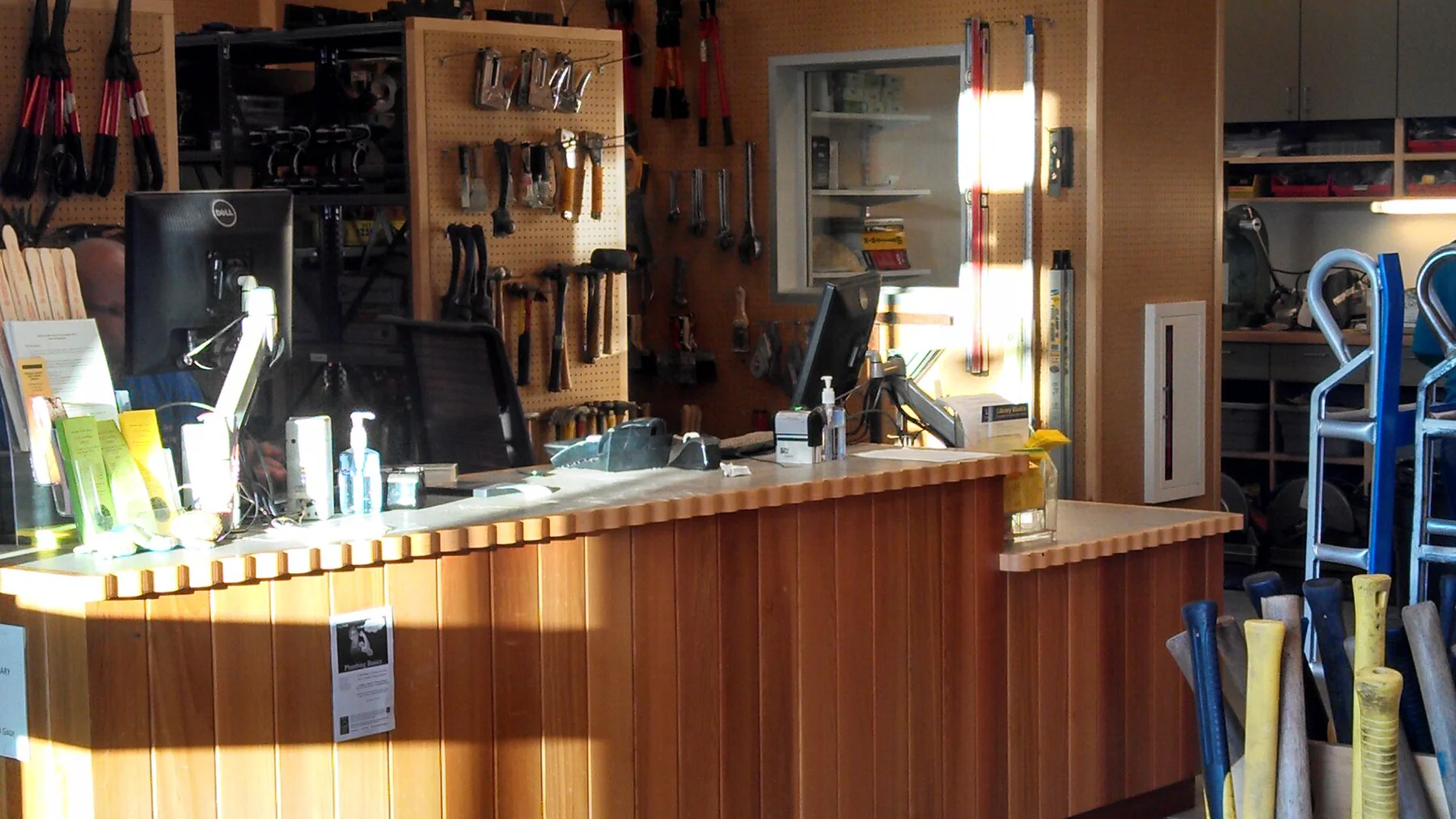
A Library of Things lends useful objects that people may need occasionally but not want to purchase and store permanently. Depending on the organization, a catalogue might include tools, cooking equipment, outdoor gear, party supplies, sewing machines, or cleaning equipment. Some are independent community projects; others operate through a library, nonprofit, cooperative, or local government. There is no single global membership model, so treat the name as a description of a service rather than a guarantee of what is available or how much it costs.
Start with the task, not the catalogue
Before browsing, write down what you need to do, when you need to do it, and any constraints. A drill, carpet cleaner, folding table, or sewing machine is useful only if the item matches the task and you can collect, use, and return it within the loan period. Record dimensions, power requirements, attachments, compatible materials, and any instructions the task depends on. For specialized or safety-sensitive work, check whether the lender provides training or whether a qualified service is more appropriate.
Then search for a local lending library, community tool library, makerspace, or library service. Check the catalogue for the exact item and whether it is currently available; an online listing may show a service’s full inventory rather than what can be borrowed on your dates. Read the borrowing terms for eligibility, membership, fees, deposits, late returns, cleaning, damage, and insurance. These policies vary. If a term is unclear, ask before reserving rather than assuming that an item is free or that accidental damage is covered.
Transport matters. A nearby collection point may be practical for a hand tool but inconvenient for a bulky appliance. Check the item’s size and weight, how it is carried, opening hours, and whether the service offers delivery or a pickup window. If the loan period is short, make sure you can complete the task and return it on time. For an item that needs two people to move, do not plan to lift it alone simply because it is available.
Borrowing can avoid an unnecessary purchase
Borrowing is most useful when the need is temporary, the item has a reliable shared-use route, and the logistics fit the person borrowing it. A community service can also provide access to equipment and practical skills. A 2019 evaluation of London-based Library of Things, published through Nesta, described an early-stage program offering low-cost loans and skill-sharing activities. It is a case-specific evaluation, not proof that every lending library will achieve the same outcomes or reduce every borrower’s environmental footprint.
That distinction matters. A shared item still has to be purchased, stored, maintained, transported, and eventually replaced by someone. Borrowing is not automatically preferable if the library is far away, the item is unsuitable, or many repeated trips are needed. Compare the whole arrangement with other realistic choices: using an item already owned, asking a neighbor, renting locally, hiring a professional, buying a durable item that will see regular use, or changing the task. The goal is to avoid an unnecessary one-off purchase without creating a more burdensome workaround.
Libraries of Things can also help people try an activity before investing in equipment. A sewing machine loan might help determine whether the machine suits a project; a gardening tool might be needed only for a seasonal task. Keep the trial modest. Check that the service has the parts, manuals, consumables, and technical support needed for the specific activity. A loan is not a substitute for training where training is necessary.
Borrow and return responsibly
At pickup, inspect the item with the staff member or volunteer if the service allows it. Confirm that the listed accessories are present and ask how to report a fault. Read the operating instructions, especially when the tool is unfamiliar. Do not modify equipment or use it for a different purpose without the lender’s approval. If you find damage, stop and tell the service rather than returning it without explanation or attempting a repair on your own.
Use only the materials and safety equipment specified by the manufacturer and the lender. Keep children and pets away from equipment while it is in use, and do not operate a tool if you cannot understand the instructions or judge whether the task is within your ability. This article is not a substitute for product-specific guidance. For hazardous, electrical, structural, or otherwise high-risk work, consult the relevant professional or safety authority.
Clean and return the object according to the service’s policy. Return all accessories, chargers, cases, manuals, and attachments. If something is used up or damaged, disclose it promptly. A library depends on accurate condition records so the next member can receive equipment ready for its listed use. If the service asks for feedback, describe whether the catalogue, instructions, pickup hours, or return process made the loan workable. Practical feedback can help the organization decide what to add or improve.
Find a service or help start one
Search beyond the phrase “Library of Things.” In one place the service may be called a tool library, lending library, equipment share, or community library. Local government waste-prevention pages and public library catalogues can reveal programs that are difficult to find through a general search. Zero Waste Scotland publishes a guide to setting up a lending library, alongside guides for repair workshops and swap shops. Its guidance reflects a Scottish context, but the practical planning questions—inventory, access, storage, maintenance, and responsibility—are useful prompts elsewhere.
If no suitable service exists, start by asking a community organization what residents actually need and what it can safely store and maintain. A small, well-used collection may be easier to support than a large catalogue with unclear demand. A basic record of loans, repairs, cleaning, and costs can help the organizers understand whether the service is reliable. Avoid promising environmental savings before measuring what items are used, how often, and what alternatives borrowers would otherwise choose.
A Library of Things is a practical option when the item, timing, service rules, and logistics align. Check those details, borrow only what you can use responsibly, and return it ready for another person. That careful loop is what turns access into a genuine alternative to buying and storing another object.
Sources
Continue Your Zero Waste Journey
Ready to learn more? Explore our other guides and tips for sustainable living.