Office Zero Waste Practices: Transform Your Workplace into an Eco-Friendly Hub
Discover practical strategies for reducing waste in office environments, from desk setup to break room habits.
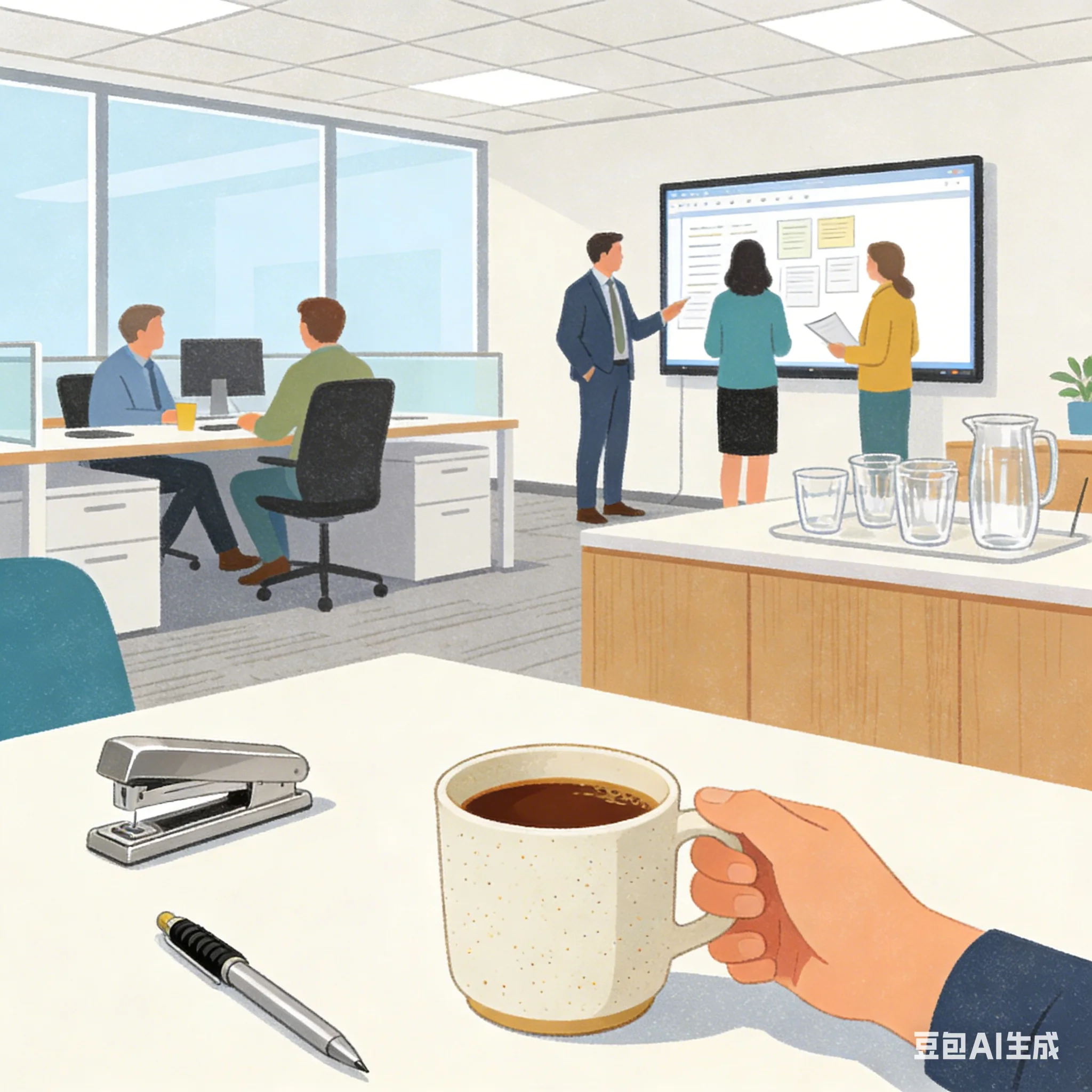
Office Zero Waste Practices: Transform Your Workplace into an Eco-Friendly Hub
Office waste can include paper, food and beverage packaging, electronics, batteries, and supply packaging. Each workplace has different services and purchasing rules; start with the materials your team can actually change.
Assessing Your Office Waste
Before making changes, understand your office's current waste patterns:
Common Office Waste Sources
Paper Products: Check whether printing, paper towels, tissues, and other paper items are recurring parts of your workplace waste. Your own purchasing and collection records are more useful than a general office-wide assumption.
Food and Beverage Packaging: Coffee cups, snack wrappers, takeout containers, and bottles may be present in break rooms. Check what your team actually discards and which changes are within workplace policy.
Electronic Waste: Broken electronics and batteries may need separate collection. Ask facilities staff or the local waste authority how the workplace should store and dispose of them.
Supplies and Packaging: Check how new supplies arrive and whether usable items are being replaced. Use local purchasing and waste records instead of assuming packaging or replacement patterns.
Conducting a Workplace Audit
Spend one week observing and documenting waste in your office:
Track by Category: Note the types and quantities of waste generated in different areas. Break rooms, individual desks, meeting rooms, and reception areas often have different waste profiles requiring tailored solutions.
Identify Patterns: Note where and when particular materials appear, then compare observations across days before choosing a change. Do not assume every office follows the same weekly pattern.
Find Interested Colleagues: Ask whether coworkers want to help review a proposed change. Shared interest may make planning easier, but any initiative still needs to fit workplace rules and responsibilities.
Creating Your Personal Zero Waste Workspace
Start with your immediate workspace, which you control directly:
Desk Setup for Sustainability
Digital Organization: Where records policies allow, store documents digitally with appropriate access controls and backups. This can reduce duplicate printing, but it does not eliminate every need for paper or physical records.
Reusable Tools: Replace disposable items with permanent alternatives:
Use refillable or repairable office supplies when they suit the task. Compare the upfront cost, expected use, and end-of-life options before replacing working equipment.
Lighting: Use available daylight when it provides comfortable, adequate visibility and does not create distracting glare or heat. For task lighting, choose a lamp suited to the work and follow workplace energy and equipment policies.
Desk Plants: Plants can add greenery, but ordinary numbers of potted plants should not be described as an effective air-cleaning system. A review of indoor-plant studies found typical homes would need very high plant densities to match normal ventilation for VOC removal. Check plant safety for the office and any pets before bringing one in.
Paper Reduction Strategies
Digital Note-Taking: Use an approved device or workplace document system when digital notes suit the meeting. Keep backups and follow your organization's privacy, retention, and access policies.
Print Less, Print Smart: When printing is necessary, use both sides of the paper, print multiple pages per sheet, and choose draft mode when quality isn't critical. Set printers to default to double-sided printing.
Reusable Message Pads: Instead of sticky notes, use small whiteboard surfaces or digital alternatives. If you must use paper, collect used single-sided paper for scrap notes.
Break Room Transformation
A break room can be a practical place to start if your own waste check shows recurring packaging there:
Kitchen Appliances and Habits
Personal Coffee Mug: Keep a favorite mug at work rather than relying on disposable cups. Many offices have refrigerators, microwaves, and dishwashers that make reusable dish use practical.
Water Filtration: If there is a specific concern about tap water, consult the local water utility's quality information and use a filter certified for the contaminant of concern. A refillable bottle filter does not provide the same treatment for every water source.
Shared Dishes: Advocate for office-provided reusable dishes and silverware for break room use. If the office provides disposable items only, consider bringing a personal set for yourself and encouraging management to transition.
Food Waste Reduction
Meal Planning: If it suits your schedule and food needs, planning meals can help you decide in advance whether to bring food or buy it nearby. Takeout packaging and alternatives vary by vendor.
Shared Refrigerator Management: Agree on a labeling and cleaning schedule with coworkers. Do not discard another person's food without following the workplace's shared-fridge policy.
Composting Advocacy: If your office does not compost, ask facilities staff whether a municipal or commercial collection service is available and what it accepts. Countertop grinders or dehydrators do not produce finished compost; the EPA says their output needs further treatment. Do not introduce a system without an approved plan for the material.
Meeting Room Sustainability
Meetings generate substantial waste through paper agendas, disposable cups, and sample packaging:
Digital-First Meeting Practices
Digital Agendas: Distribute meeting agendas digitally rather than printing copies. Use shared documents that allow real-time collaboration and annotation.
Digital Whiteboards: An organization-approved digital whiteboard can reduce paper for some sessions. Confirm access, privacy, and retention settings; paper may still be more accessible for some participants.
Reusable Name Tags: For regular meetings, provide reusable name tags or name plates that attendees can use repeatedly.
Zero Waste Refreshments
Shared Snacks: If the workplace offers snacks, compare the packaging and food-safety needs of available options. Shared containers may reduce individual wrappers in some settings, but use clean, suitable containers and follow allergy and workplace handling rules.
Water Service: If the tap water meets your needs and workplace facilities allow it, a refill station and clean reusable cups or bottles can be an alternative to individually packaged drinks. Estimate any change from your own purchasing records rather than assuming a fixed number of bottles avoided.
Office Supply Sustainability
Purchasing decisions are one area where an office can review material use and end-of-life options:
Choosing Sustainable Suppliers
Refillable Products: Where practical, compare refillable or repairable products with replacements. Their material and cost effects depend on the product, how often it is used, and whether refills or repairs are available.
Recycled Content: Consider recycled-content supplies when they meet the task, procurement rules, and budget. Check the scope of any environmental claim and consider durability, repair, and end-of-life options as well.
Packaging: When ordering supplies, ask vendors about packaging and whether alternatives are available. Combining orders may reduce the number of deliveries, but the packaging outcome depends on how items are packed and shipped.
Supply Management
Inventory Control: Maintain careful inventory to avoid over-ordering supplies that expire or become obsolete.
Shared Supply Stations: A shared supply area may help a team see what is already available. Set it up only if it suits the workplace and assign someone to keep inventory current.
Repair Before Replace: Before discarding a broken item, check whether a safe, affordable repair is available. Some products are not repairable or are more practical to replace.
Building a Culture of Zero Waste
Sustainable practices require organizational culture support:
Leadership and Advocacy
Lead by Example: If colleagues ask about a practice, describe what works for you and any limits. Their choices depend on their needs and workplace rules.
Propose Initiatives: Ask management or facilities staff about current workplace goals and how to submit a proposal. Include the change being requested, likely costs, staffing needs, and a way to review results.
Share Success Stories: Document and share successful zero waste changes. When others see tangible benefits, adoption becomes easier.
Team Engagement
Green Teams: Organize or join environmental committees within your workplace. Group efforts have more impact than individual actions and provide accountability and support.
Friendly Activities: If colleagues are interested, try a voluntary sharing session or short pilot. Make participation optional and avoid ranking teams by waste when departments have different needs and responsibilities.
Education Sessions: Organize lunch-and-learn sessions about sustainability topics. These educational opportunities spread awareness and build skills.
Remote Work Considerations
For those working from home, similar principles apply:
Home Office Sustainability
Energy Use: Follow workplace guidance for switching off equipment. Standby energy varies by device; do not unplug shared or networked equipment unless the owner or facilities team says it is safe to do so.
Digital Workflow: Use approved digital documents, virtual meetings, or cloud storage only where they meet privacy, accessibility, connectivity, and records requirements for the work.
Sustainable Procurement: Apply the same sustainable procurement principles to home office purchases. Choose quality items that last, buy refills rather than new products, and minimize packaging.
Workplace waste changes depend on facilities, purchasing rules, staff time, and local collection services. Start with one material your team can measure and influence, then review whether the change works before expanding it.
Continue Your Zero Waste Journey
Ready to learn more? Explore our other guides and tips for sustainable living.