Zero Waste Living on a Budget
Explore lower-waste habits on a budget, with practical ways to compare costs and use what you already own.
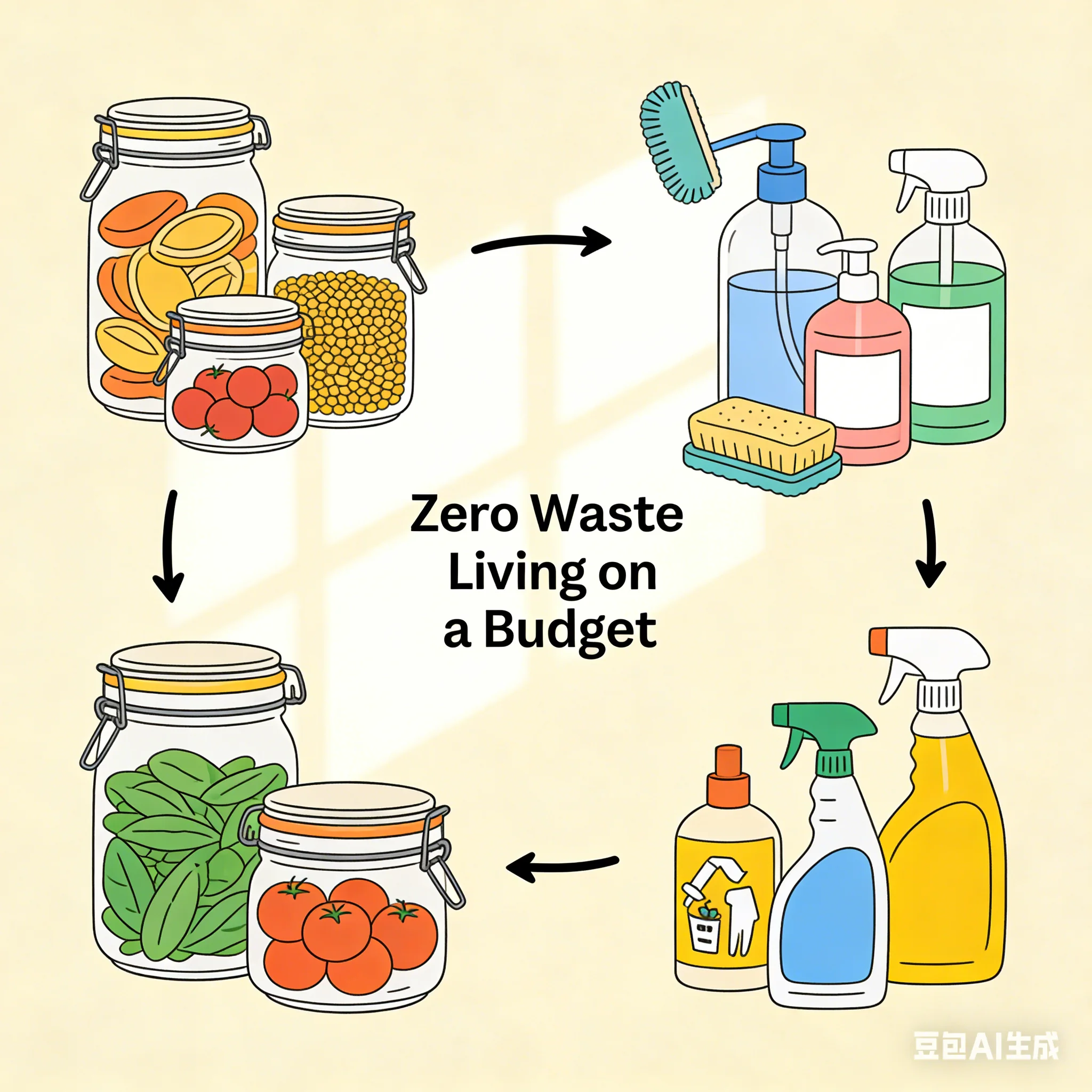
Zero Waste Living on a Budget: How to Save Money While Saving the Planet
Low-waste choices do not require buying a matching set of reusable products. Avoiding purchases you do not need may fit a tight budget, while refill shops and durable reusables can cost more upfront. This guide focuses on practical ways to compare costs and reduce avoidable spending where possible.
The Core Philosophy: Refuse, Reduce, Reuse
A low-waste approach often starts by asking whether a purchase is needed, but declining a free item does not always save money. Look at spending and waste together: avoiding an unnecessary paid purchase may reduce both, while reusable products can cost more upfront and are only economical if they suit your routine.
Budget-Friendly Zero Waste Strategies
1. Start with a Trash Audit
For a week, note recurring items that are discarded and whether they represent a cost you can control. A shopping list, using suitable food before it spoils, or repairing an item may help some households; results depend on routines and prices. Composting can produce a soil amendment when managed correctly, but it is not a guaranteed substitute for every fertilizer or garden input.
2. Embrace the Second-Hand Economy
Before buying something, consider borrowing, repairing, or buying it secondhand if that is available and safe. Prices and condition vary; check an item's fit and cleanliness, and choose a route that suits your needs. Reuse may extend an item's service life, but the result depends on whether it is actually used.
3. Reduce Packaging Without Risky DIY Recipes
Use a washable cloth for suitable cleaning tasks and compare refill products with the supplies you already buy. Follow product labels and avoid assuming that “natural” ingredients are automatically safe or effective. The EPA notes that homemade cleaners typically do not perform as well as formulated products; if a task requires disinfection, use a product labeled for that purpose. For oral care, do not replace fluoride toothpaste with a homemade recipe unless your dental professional advises it.
4. Master Meal Planning and Bulk Buying
Food you buy and discard can affect your budget. Plan meals in a way that suits your schedule, make a shopping list, and check what you already have. When shopping, use bulk bins if available and compare the unit price, transport and storage costs, and the amount you can use before it spoils; bulk is not always cheaper or lower-waste.
5. Repair and Maintain What You Own
In a throwaway culture, we often discard items at the first sign of wear. Basic repairs can extend an item's use when the repair is safe, affordable, and suitable. For electrical, plumbing, or other hazardous work, use a qualified repair service. Compare repair costs with replacement and check that a tutorial comes from a reliable source before attempting unfamiliar work.
6. Rethink Your “Disposables”
Swap single-use items for reusable alternatives you might already own. Use old t-shirts as cleaning rags instead of paper towels. Bring your own water bottle, coffee cup, and utensils when out. Use cloth napkins instead of paper ones. Using an item you already own avoids an additional purchase. A new reusable product has an upfront cost and only replaces disposables when it fits your routine and is reused enough.
7. Grow Your Own Food
Growing herbs or vegetables can be enjoyable if you have suitable light, space, and time. It does not always cost less than buying produce; include seeds, containers, water, and supplies when comparing costs. Use food scraps for growing only when the plant and conditions make that practical, and use finished compost according to gardening guidance.
8. Smart Laundry and Energy Habits
Utility effects depend on local rates, appliances, household needs, and the energy used to heat water or dry clothes. If garment labels and your machine allow it, compare cooler wash settings, full loads, or air-drying. Do not add homemade objects or substances to an appliance unless its manufacturer says they are suitable.
The Psychological and Financial Payoff
Adopting a zero waste mindset encourages mindfulness. You become more intentional with purchases, valuing quality over quantity. This leads to fewer impulse buys and a greater appreciation for what you already have. Whether these choices save money depends on what you would otherwise buy, local prices, and how often an item is reused. Keep simple notes on costs if you want to see whether a change works for your household.
Getting Started Without Overwhelm
You don’t need to do everything at once. Pick one strategy that fits your current budget. Maybe this month you’ll check the pantry before shopping or repair something you already own. Savings depend on your prices and habits; avoid buying a product until you know what it replaces.
Conclusion: Zero Waste is Accessible
Low-waste choices can fit different budgets, but there is no single formula that saves everyone money. Start with an option that does not require an unnecessary purchase, track the cost and effort, and keep it only if it works for your household.
Using what you already own can avoid a replacement purchase when it still meets your needs.
Continue Your Zero Waste Journey
Ready to learn more? Explore our other guides and tips for sustainable living.