How to Use a Repair Café: What to Bring and Expect
Learn how community repair events work, how to prepare an item, and when a qualified repair service may be the better option.
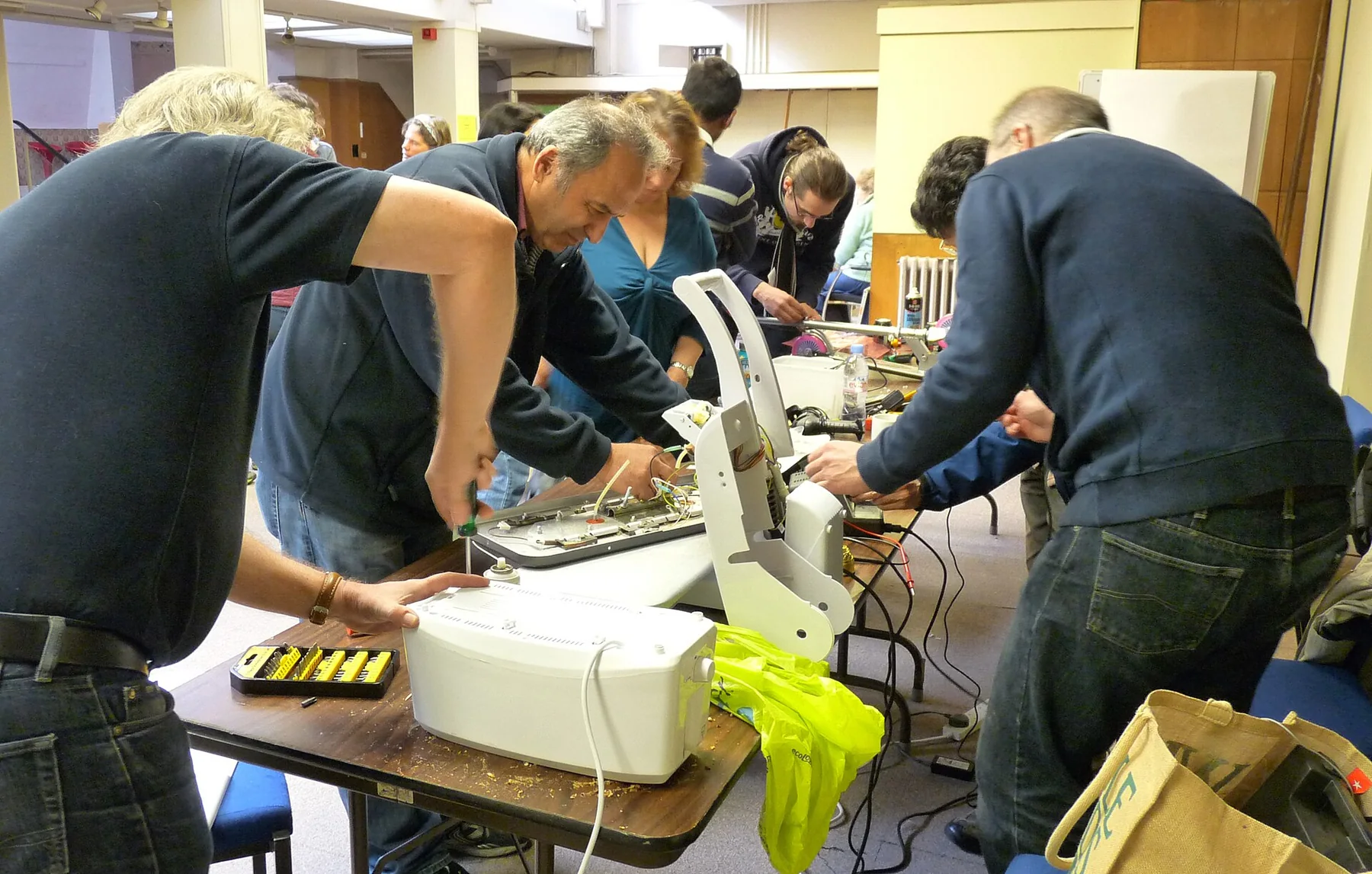
A repair café is a community gathering where people bring repairable belongings and work with volunteer fixers, often learning as they go. It is different from a shop that promises a diagnosis, price, completion date, or warranty. The exact format depends on the local organizers: some accept walk-ins, some ask visitors to book, and some limit the number or types of items they can examine. Checking the event details before carrying a heavy appliance across town can save time for everyone.
Find an event that fits the item
Start with the organizer’s current event page or contact details. Confirm the date, opening time, registration requirement, venue access, and whether someone with the right skills is expected to attend. Repair Café Foundation’s FAQ lists examples such as clothing, small electrical appliances, furniture, bicycles, crockery, and toys, while also recommending that visitors check with local organizers when a specific specialist is needed. The network’s house rules describe its own model; another community repair event may set different terms.
Ask whether the item should be complete, clean, assembled, or accompanied by accessories. A lamp might need its plug and bulb information; a garment might need the matching button or spare fabric; an appliance may need its removable components. Bring the model name, manual, or a clear description of the problem if available. Do not disassemble something in advance unless the event asks you to do so. A partially opened item can be harder to assess, and local fixers may be unable to reassemble an object they did not open.
Before you go, consider transport. Some events are not a collection or home-visit service, and the Foundation notes that visitors are responsible for bringing items to a Repair Café. If an item is too large or heavy, ask the local group about alternatives rather than attempting an unsafe lift or assuming someone can come to your home.
Understand the shared-workshop format
Repair Cafés commonly work by pairing an owner with a volunteer who has relevant skills. The visitor may participate in the repair instead of handing the object over and leaving. This creates a chance to understand how a seam, mechanism, or connection works, but it also means the event can take time. A busy session may use a queue or cap the number of items per person. Bring only what you can reasonably manage and be prepared to wait or return another day.
The organization describes its repair work as voluntary and says a donation is appreciated. New parts or consumables may cost extra, and volunteers can refuse work they are not equipped to do. The published rules also say that an attempted repair is not guaranteed to succeed and that visitors remain responsible for items that cannot be repaired. Those details are useful to understand before attending, but local consumer-protection law and the rules of the local event still apply. Read the organizer’s own terms instead of assuming every repair event has identical conditions.
Talk through the problem before anyone starts. Explain when it first appeared, what you have already tried, and what would count as a useful outcome. Ask before work begins if there is a possible part cost, if a repair may leave the item open, or if the volunteer may need to stop. If the proposed work involves a task beyond the volunteer’s skills, a safety-critical component, or a manufacturer’s warranty, it may be better to use an appropriate qualified service.
Make the visit useful even if the item stays broken
Treat the event as a learning opportunity rather than a guaranteed fix. Watch, ask respectful questions, and take notes on care or maintenance if the volunteer is willing to share them. For a textile repair, you may learn what thread, patch, or technique suits the fabric. For a household object, the useful result might be identifying a replacement part or learning that repair is not practical at the event. Do not pressure a volunteer to continue when they are uncertain about the work.
If no fix is possible, ask what a sensible next step might be: a professional repairer, a parts supplier, a manufacturer’s support channel, a product manual, or a local end-of-life collection service. An unsuccessful session does not mean the item should be abandoned in the event venue. The published Repair Café rules place responsibility for removing an irreparable object with the visitor. Take it home or follow a disposal route that the local authority confirms.
If repair succeeds, ask whether the repair requires monitoring, special care, or follow-up by a professional. Test an item only in the manner recommended by the fixer and the manufacturer; avoid using it if it appears unsafe or behaves unexpectedly. A repaired object does not automatically have a warranty, and the volunteer may not be able to provide ongoing support. Keep any advice in context and use the appropriate service for future problems.
Participate as a visitor, volunteer, or host
Visitors can support a repair community by arriving on time, following the queue, bringing the parts and information requested, and making a voluntary contribution if they are able. If you have repair skills, ask the organizers what help is needed and what kinds of jobs fall within your experience. Do not present yourself as qualified for work you are not trained to perform. Organizers may need greeters, event setup, translation, sewing help, tool maintenance, or follow-up administration as well as specialist fixers.
If there is no event nearby, search the local library, maker space, community center, neighborhood group, or municipal website for repair workshops. The Repair Café network also offers a directory and information for groups interested in starting a local gathering. An independently run repair meetup can use a different name and rules; respect its own organization and avoid implying that it is affiliated with the Foundation unless it is.
Repair cafés work best when expectations are clear: participation is collaborative, the right expert may not be present, and not every item can be fixed. A short check of the event’s current instructions, plus a realistic plan for what to do if repair is not possible, helps make a visit worthwhile whether the object leaves working or simply leaves with a better next step.
Sources
Continue Your Zero Waste Journey
Ready to learn more? Explore our other guides and tips for sustainable living.