Zero Waste Living in Small Apartments
Make limited storage easier with flexible ideas for food, shared waste bins, and equipment that fits your building.
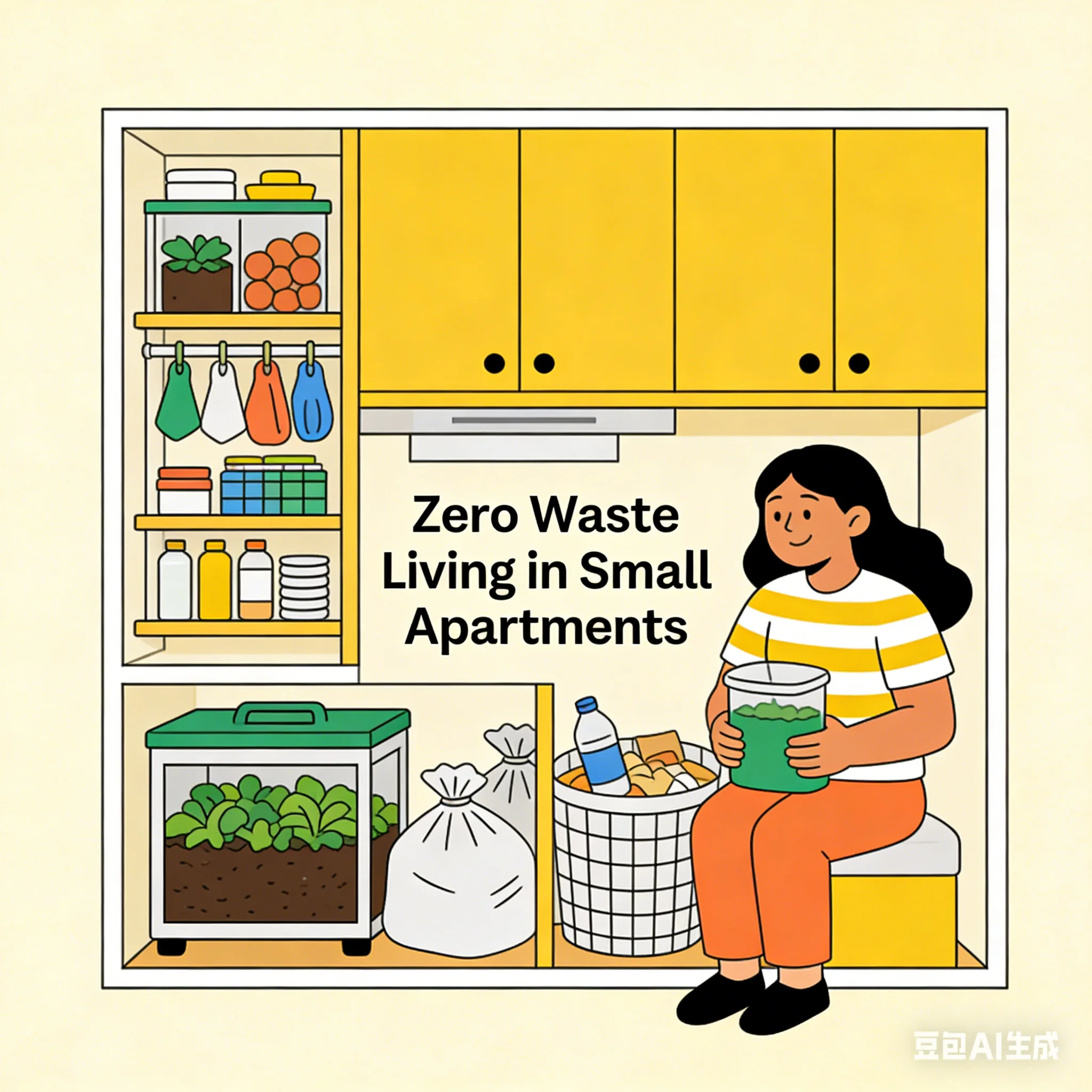
Zero Waste Living in a Small Apartment
Limited storage can make low-waste habits feel harder, but a small home does not need a collection of special equipment. Start with the routines that take up the most space or create the most avoidable waste, then choose a setup that is easy to maintain.
Give reusable items one home
Keep a small set of bags, jars, or food containers near the place you leave for shopping. Choose a number that fits your cupboard; extra containers can become clutter. Use clean, food-safe containers you already own before buying matching storage.
For recycling, use a compact bin or a pair of stackable containers and empty them on a schedule that works for your building. Check the property manager's or local hauler's instructions. Do not store materials in hallways or block shared exits.
Handle food scraps without a backyard
First check whether your city, building, community garden, or farmers' market has a food-scrap drop-off or collection service. Programs can differ on what they accept, so confirm rules for meat, dairy, paper liners, and compostable packaging.
If you want to compost at home, choose a method that matches your space and willingness to maintain it. A worm bin needs suitable bedding, airflow, moisture, and a place with a moderate temperature. Bokashi ferments scraps but the fermented material still needs to be buried or composted afterward. Ordinary home piles often exclude meat and dairy. The EPA's composting guide explains these methods and notes that countertop food-scrap grinders or dehydrators produce material that needs further treatment; it is not finished compost.
If home composting would attract pests, create odors, or take more space than you have, use an available municipal or community option—or focus on preventing food waste instead.
Make the kitchen work with what you have
- Keep a short “use next” list on the fridge and plan one meal around those items.
- Freeze portions you will not eat soon, using containers that stack safely.
- Store dry staples in clean, dry containers only when that makes them easier to see and use.
- Avoid buying bulk quantities that exceed your storage or cooking needs.
- Place a small reusable cloth near the sink for routine wiping and wash it with household laundry.
Share and borrow
Apartment buildings may have shared repair events, lending shelves, gardens, or donation areas. Ask the building manager or neighborhood group before starting one. Sharing occasional-use tools can reduce the need for storage and purchases, while still respecting hygiene and building rules.
Keep the system small
Try one change for a few weeks and notice whether it fits your home. A reusable item that is clean, accessible, and used is more useful than a large set that occupies valuable space. Low-waste living in an apartment is mostly about choosing manageable routines, using local services, and buying only what you can store and use.
Continue Your Zero Waste Journey
Ready to learn more? Explore our other guides and tips for sustainable living.