Zero Waste Living Travel Hacks
Practical travel ideas for packing reusable items, checking local waste rules, and choosing options that fit your trip.
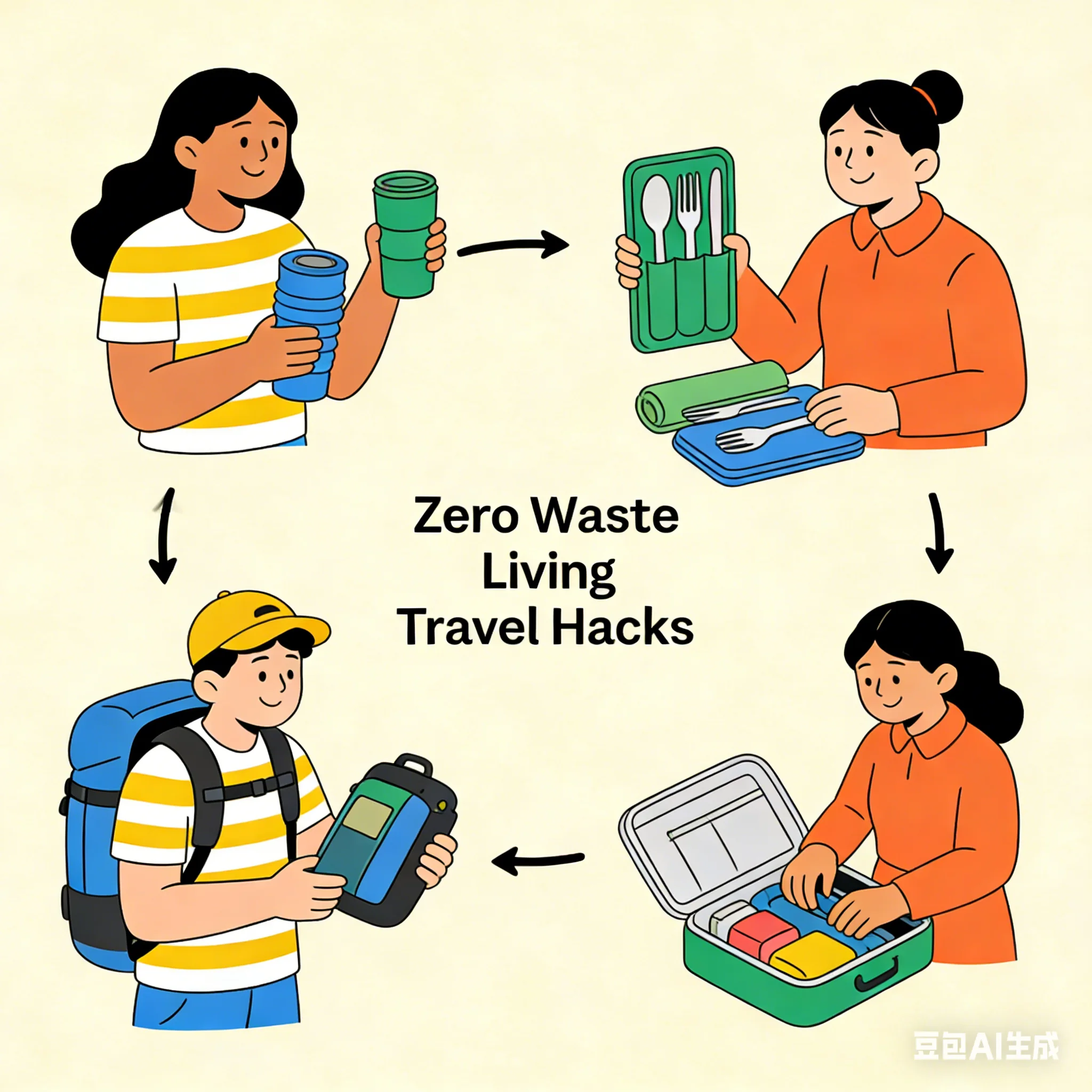
Zero Waste Travel Hacks: Exploring the World Without Weighing It Down
Travel can involve extra packaging and disposable items, especially when access to familiar services changes. A small amount of preparation may help, but needs and local systems differ. This guide offers flexible ideas for reducing avoidable waste without expecting a trip to be completely waste-free.
The Mindset: Intentional and Prepared
Think about what you will actually use and what services are available at your destination. Refill stations, markets, recycling, and safe drinking water vary by place; check local official guidance before relying on them.
Phase 1: The Pre-Trip Prep & Packing
Your journey to low-waste travel begins at home, long before you reach the airport.
Build Your Zero Waste Travel Kit
Choose only items that suit your trip and transport rules:
- Reusable Water Bottle: Bring one if it is useful and there is a safe place to refill it. Follow the airport or carrier's current liquid and security rules.
- Reusable cup or bottle: Bring one only if you expect to use it and can clean it during the trip.
- Utensils or container: Choose items suited to your route and activities; check transport, venue, and food-provider rules before packing or using them.
- Bag: A tote or small bag you already own may be useful for shopping.
- Handkerchief/Reusable Napkin: Multi-use for drying hands, wiping faces, or as a napkin.
- Toiletries: Use products that work for you and fit current airline and destination rules. Solid products may reduce some packaging, but check the ingredients, storage needs, and security guidance for your route.
Research Your Destination
- Water Safety: Check current advice from local public-health or water authorities. If tap water is not safe, use a treatment method appropriate for the specific risk and follow its instructions; a filter or purifier does not address every contaminant.
- Local Markets & Bulk Stores: A quick online search can reveal package-free shopping opportunities.
- Public Transit and Cycling Options: Check routes, fares, accessibility, and operating times before relying on local transport. Whether it is suitable depends on your destination and travel needs.
- Cultural Norms: In some places, refusing a single-use item might be culturally tricky. Learn polite phrases in the local language to explain your preference.
Phase 2: On the Go & At Your Destination
Navigating Food & Drink
Food and drink choices can add packaging during a trip; the options depend on the destination and schedule.
- Choose Dine-In: When convenient and accessible, eating at the venue may avoid some takeout packaging. Takeout may be the practical option at other times.
- Use Your Kit: Ask a vendor whether it can use your clean container before ordering. Follow its food-safety practices and local rules.
- Visit Local Markets: If a market is convenient, it may offer local foods and a chance to learn about the area. Prices, packaging, and access vary.
- Take only what you need: If an offered item is optional and you will not use it, ask whether it can be left out. Availability and policies vary.
Sustainable Souvenirs & Shopping
- Choose Experiences Over Things: A cooking class, a guided hike, or a theater ticket creates memories, not clutter.
- Buy Local & Useful: If you buy physical items, choose high-quality, locally made goods that are practical (like a ceramic bowl you’ll use) instead of mass-produced trinkets.
- Skip the Bag: You have your tote bag—use it!
Eco-Conscious Accommodation
- Do Your Homework: Review a lodging provider's specific policies and check what any certification covers; a “green” label alone does not describe every practice.
- Review Housekeeping Options: If you prefer to reuse towels or linens, check the lodging's policy; a sign may not change service everywhere.
- Refuse Mini-Toiletries: Use products you brought if they suit the trip and comply with travel rules. Ask the lodging how unused items are handled rather than assuming they are reused.
Phase 3: Transportation & Carbon Considerations
While waste is tangible, your carbon footprint is an invisible part of your travel impact.
- Compare Transport Options: Emissions per passenger depend on route, occupancy, vehicle or aircraft, and how the trip is calculated. Compare the full journey using a transparent source; there is no single mode or distance rule that fits every trip. A peer-reviewed passenger-transport comparison illustrates how mode and occupancy affect estimates.
- Reduce Avoidable Trips: When practical and safe for your route, walking, cycling, or public transit can replace some car journeys.
Handling the Inevitable & Coming Home
Despite your best efforts, you might end up with some waste—a receipt, a speciality wrapper, or a situation where refusing wasn't feasible. Don't stress. Properly dispose of or recycle what you can according to local rules. The important thing is you tried.
When you return home, let your habits stick. Unpack your kit, clean it, and leave it ready for your next outing—whether it's a global adventure or a trip to the local farmers' market.
The Rewards of Low-Waste Travel
Traveling with a lower-waste mindset can help you use what you bring and respect the waste rules of the places you visit. It may also help you avoid unnecessary purchases, but any cost difference depends on the trip.
Start with one or two habits that fit your next trip. Carry a bottle or tote if useful, check destination rules, and adjust after you see what works.
Continue Your Zero Waste Journey
Ready to learn more? Explore our other guides and tips for sustainable living.