Where Do Donated Clothes Go? Sorting, Reuse, and Limits
Understand how donation programs sort clothing, what condition they accept, and how to choose a suitable local reuse or recycling route.
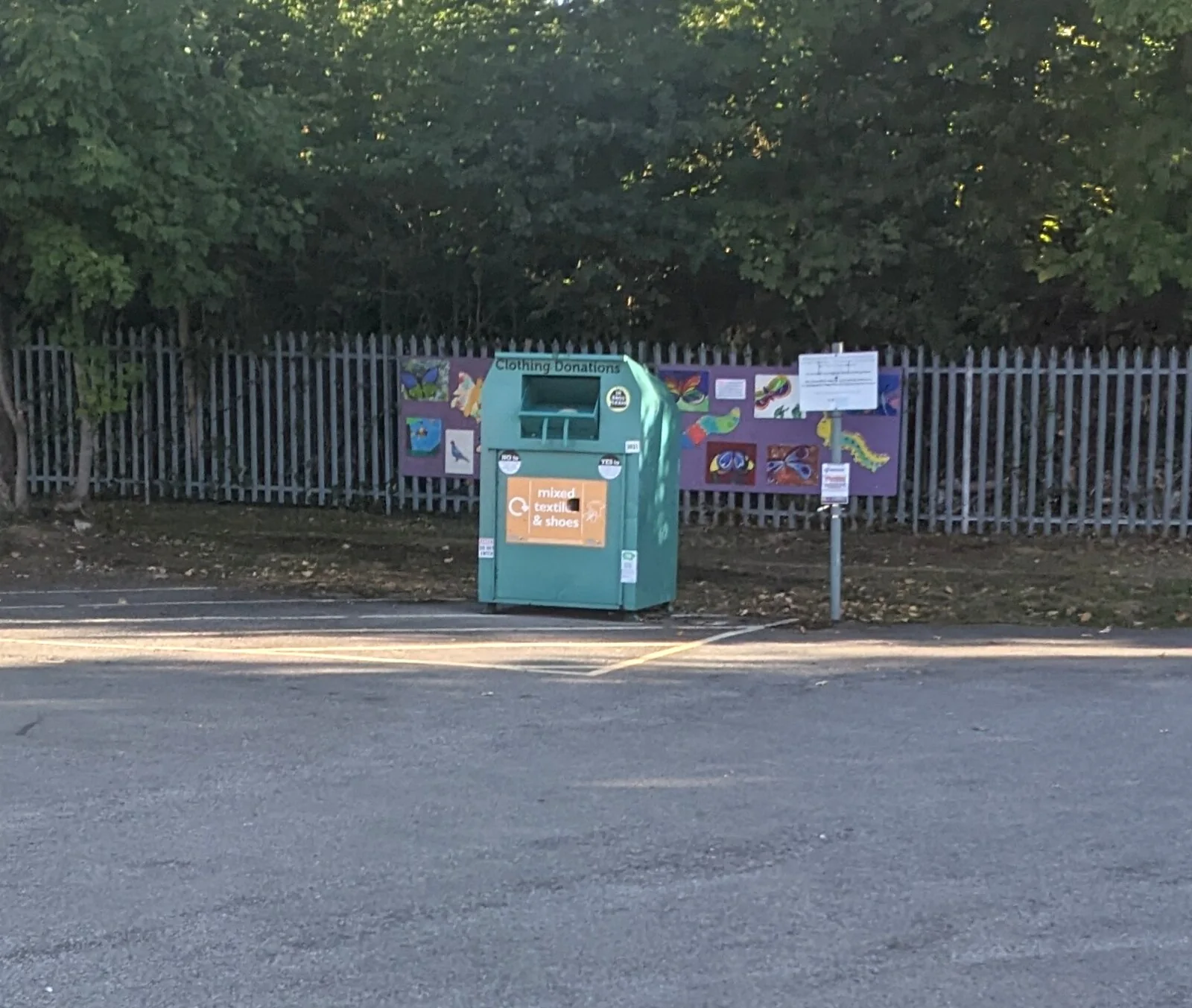
Putting clothing into a donation bag does not reveal where it will end up. The receiving organization may sell it locally, sort it for another market, direct a portion to reuse, recover some material, or send unsuitable items to another waste route. What happens depends on the garment’s condition, the organization’s capacity, the local market, and the collection terms. A donor can improve the chance of useful reuse by checking what a recipient accepts and handing over clean, dry items in the condition the program requests.
Donation is a handoff, not a destination label
Before donating, look for the organization’s current list of accepted goods and its explanation of what it does with them. A charity shop may sell selected pieces in its own store and pass other items to a sorting partner. A textile bank may serve a contracted collector. A clothing brand’s take-back box may operate a different system from a local nonprofit. The words “donation,” “recycling,” and “reuse” do not necessarily describe the same flow, so ask the receiving organization if the destination matters to your decision.
Do not assume every container is operated by the organization named on its side. Check the operator details, drop-off location, and instructions. If a program accepts clothing only in sealed bags, follows seasonal hours, or excludes certain materials, follow those requirements. Never leave items outside a locked or full container; rain, pests, or contamination can make useful clothing harder to handle and may create a cleanup problem.
The European Environment Agency (EEA) explains that definitions of “used textile” and “textile waste” differ between countries and reporting systems. In some places, an item transferred for reuse is treated as a product; elsewhere, the collection context can classify it as waste. The EEA’s 2024 briefing estimates that the EU-27 generated 6.95 million tonnes of textile waste in 2020, about 16 kilograms per person. That figure describes a dated EU estimate, not current global clothing waste or the amount donated by any one household.
Help sorters by preparing items honestly
Follow the recipient’s condition rules. If clothing is accepted for resale or reuse, make sure it is clean and fully dry, and check that it is not visibly contaminated, moldy, or heavily damaged. Pair shoes if requested. Keep accessories with their matching pieces only when the organization asks for that. Do not put wet, soiled, or unusable textiles in a bag marked for wearable clothing unless the program explicitly accepts them for another purpose.
A quick condition check is more useful than trying to guess a universal standard. Ask whether the organization wants stained, torn, single shoes, household linens, underwear, or accessories. Some collectors can process certain damaged textiles; others cannot. If the item is still wearable but needs a button or hem, a small repair may make it easier for another person to use. If it is not wearable, a textile recycling drop-off may accept it, but check what fibers and products that service takes.
Be transparent about an item’s limits. A garment with a broken zip, missing component, or strong odor should not be presented as “like new.” If a recipient sells items, accurate condition helps avoid shifting the sorting burden onto the organization or the next buyer. Do not attach a note that promises an item will be recycled unless the organization has confirmed that route.
Understand what may happen after collection
Collected clothing can move through multiple stages. A shop or sorting facility may inspect, clean, repair, price, or grade items. Clothing suitable for direct reuse may be sold or passed to a partner. Items with no local buyer may move to another resale market. Some textiles can be cut into cleaning cloths or other lower-grade material uses; some may be unsuitable for reuse or recycling and go to disposal or energy recovery. The actual mix differs across organizations and places.
The EEA reports that collection points, sorting capacity, definitions, and reporting vary across Europe. Its briefing also flags uncertainty about textile exports and the eventual treatment of exported goods. These findings caution against two opposite assumptions: a donation is not automatically reused locally, and a textile collected separately is not automatically discarded. The destination should be described only as precisely as the organization’s own reporting supports.
Material recycling also has limits. A textile product may contain blended fibers, trims, coatings, zips, buttons, or elastic that complicate processing. Recycling infrastructure and markets differ by fiber and region. A collector’s broad claim that it “recycles textiles” may therefore cover a specific fraction rather than every donated item. Ask for public information on sorting, reuse, recycling, and rejects if you need a clearer picture.
Choose the route that matches the item
For a clean, wearable garment, consider a direct transfer to someone who has asked for it, a verified local resale shop, a community clothing exchange, or a charity that confirms it accepts the item. A direct handoff can make the next user clear, while a larger organization may have a sorting system and broader reach. Which route is preferable depends on the clothing, the recipient, and how easily the item can reach them.
For a repairable item, consider mending or a repair service before passing it on. For a high-quality garment that is not wanted by one recipient, consignment or secondhand resale may be appropriate if the item meets the seller’s terms. For damaged textiles, contact a dedicated collection program and confirm that it accepts that material. If no service is available, follow the local authority’s disposal guidance rather than placing unsuitable items into a donation stream.
Avoid donating things simply because disposal feels uncomfortable. A recipient is not a substitute for a waste service, and an unwanted transfer can consume volunteer time and storage space. If the group says it cannot accept an item, thank them and find another route. Local rules may also apply to commercial donations, textile waste, or large-volume clear-outs; households should ask the local authority if the situation is unclear.
Ask better questions about clothing collection
Useful questions include: Who operates the collection point? What condition and types of textile are accepted? Are items sold locally, sent to a sorting partner, or processed elsewhere? What share is reused, recycled, or rejected, and for which period? How are exports described? Does the organization publish information about the destination of collected textiles? A credible answer may include uncertainty; supply chains are complex and data are not always complete.
The EEA describes separate collection as one part of textile management, alongside sorting, reuse, recycling, and treatment capacity. It also identifies the need for clearer definitions and reporting. These are European policy findings, but they help explain why a universal statement about every donation route would be misleading. In other regions, consult the local government, collection organization, or textile stewardship program for its own data and terms.
Donating clothing can be a useful way to transfer items another person may wear, but the bag itself is only the start of the journey. Check the recipient’s rules, prepare items honestly, and use a dedicated route for textiles that are not wearable. When an organization explains where items go, share that information accurately; when it does not, avoid promising a destination on its behalf.
Sources
Continue Your Zero Waste Journey
Ready to learn more? Explore our other guides and tips for sustainable living.